Frozen Potato Casserole – Yam Yurns

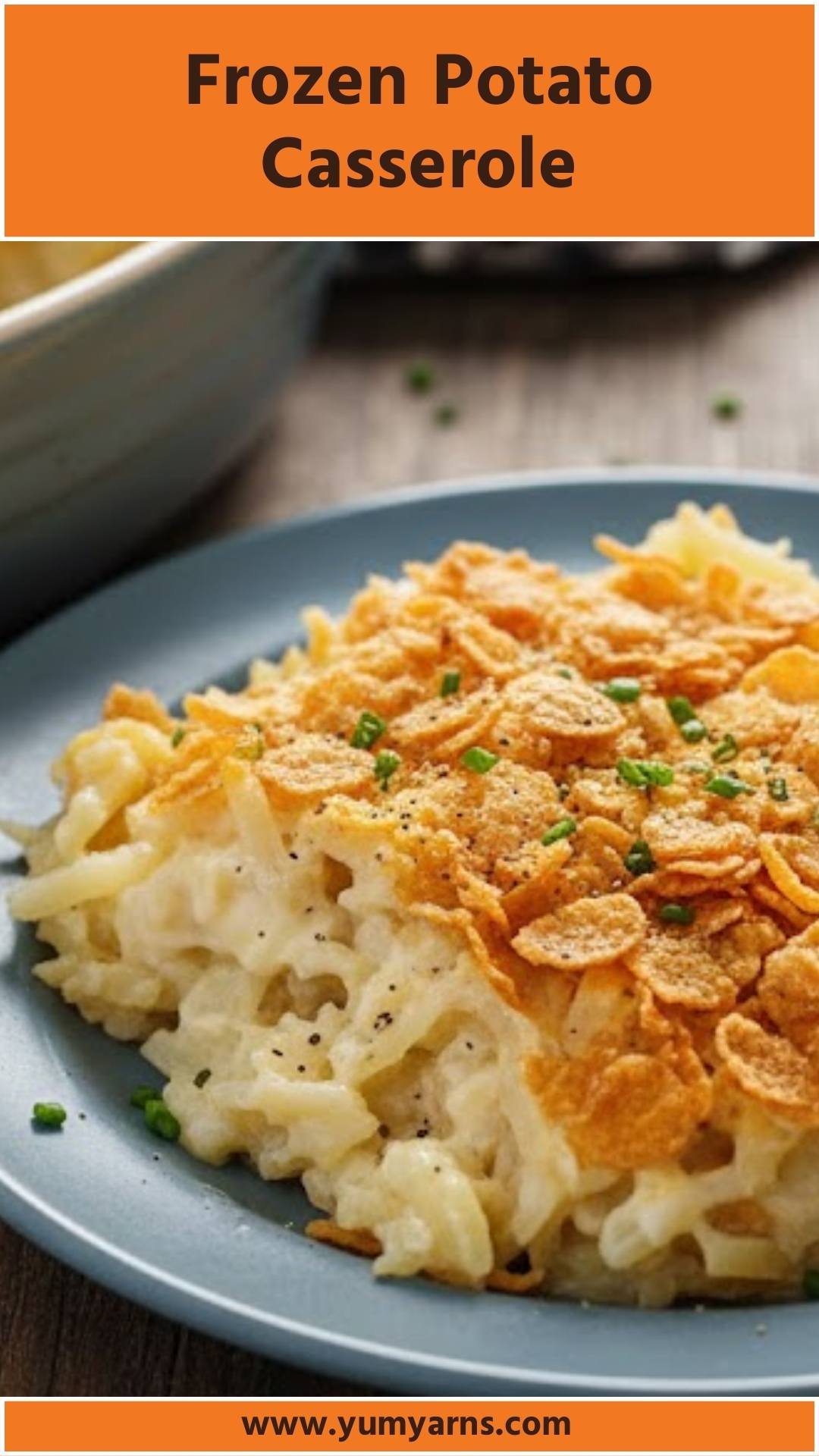
Frozen Potato Casserole

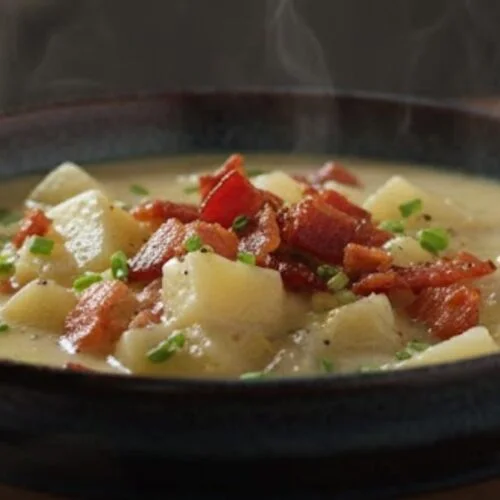
When I think of cozy dinners or family get-togethers, the first dish that pops to mind is a hearty casserole. A frozen potato casserole, layered with creamy goodness and topped with a satisfying crunch, balances flavors beautifully.

 It pairs splendidly with roasted meats or grilled vegetables, making it an ideal side for any meal. Picture this: your friends and family gathered around the table, laughter filling the air, and everyone’s smiling as they savor that comforting potato dish. That’s what it’s all about!

Frozen Potato Casserole

Frozen potato casserole is one of those classic comfort foods that brings warmth and satisfaction to the dinner table. Served primarily during holidays or special gatherings, it’s a dish rich in flavor and perfectly creamy.

 Not only is it irresistibly delicious, but it’s also incredibly easy to prepare in advance, allowing you to spend more time enjoying your company.

You Might Like These Recipes!

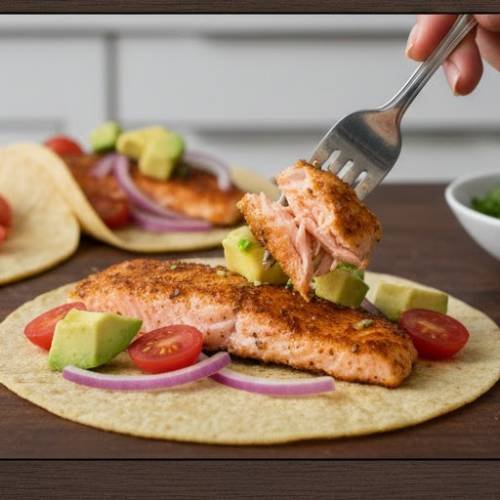
Fried Salmon Tacos Recipe

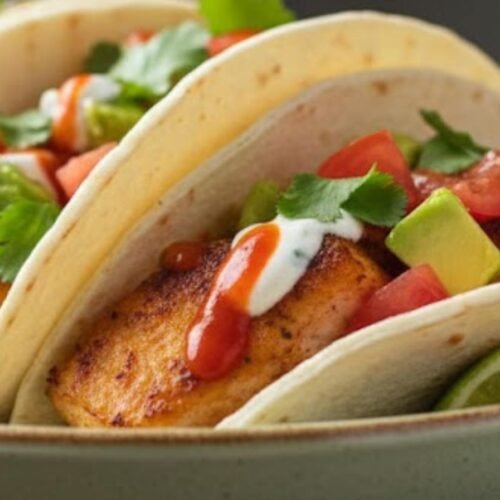
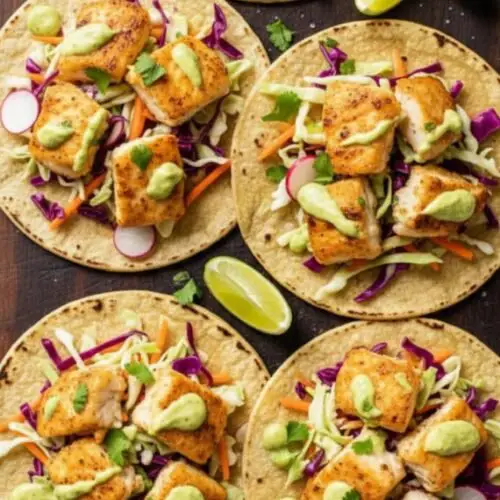
Fish Taco Cod

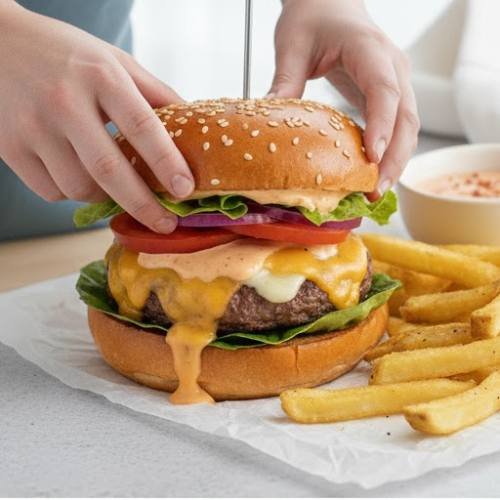
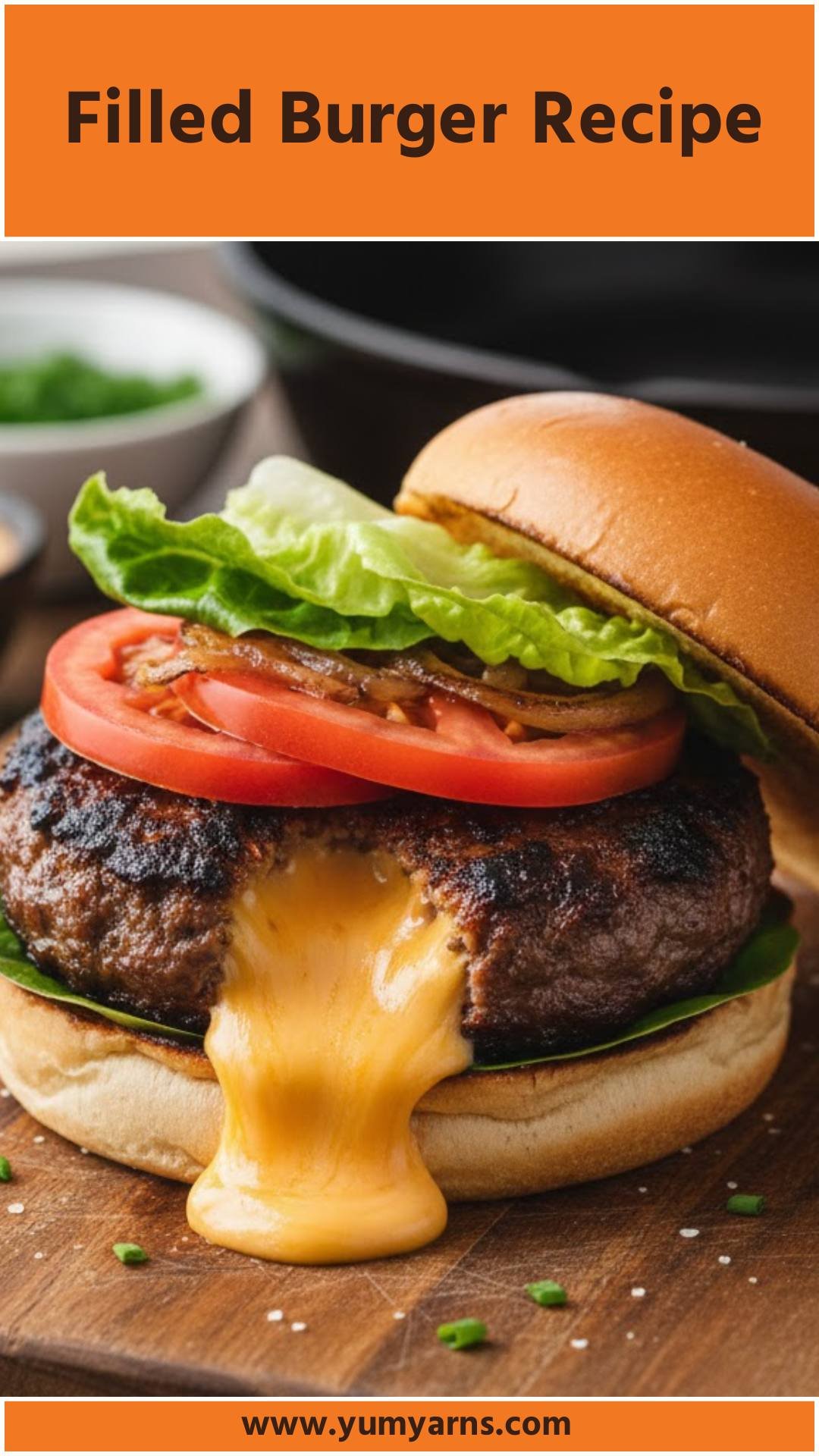
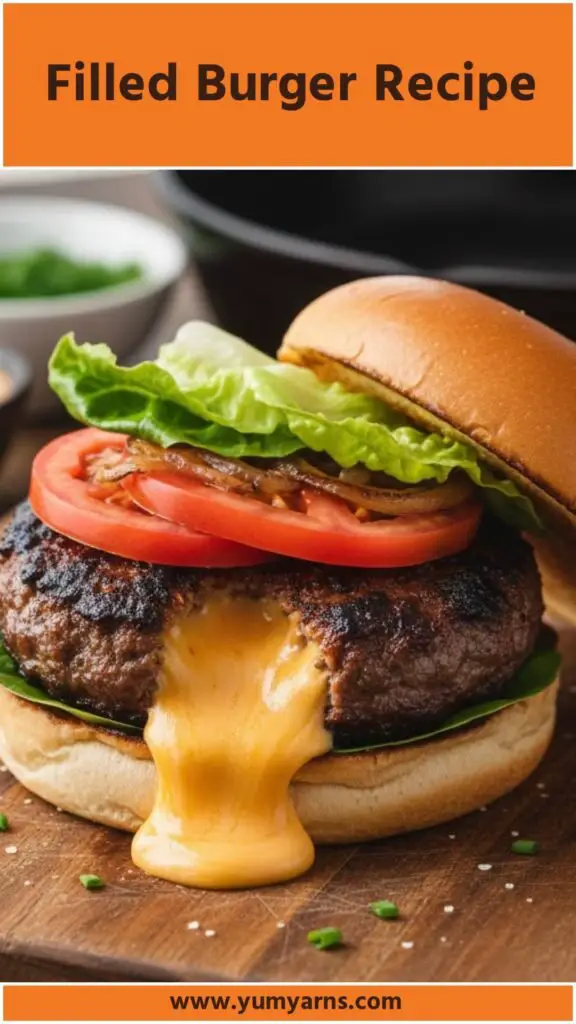
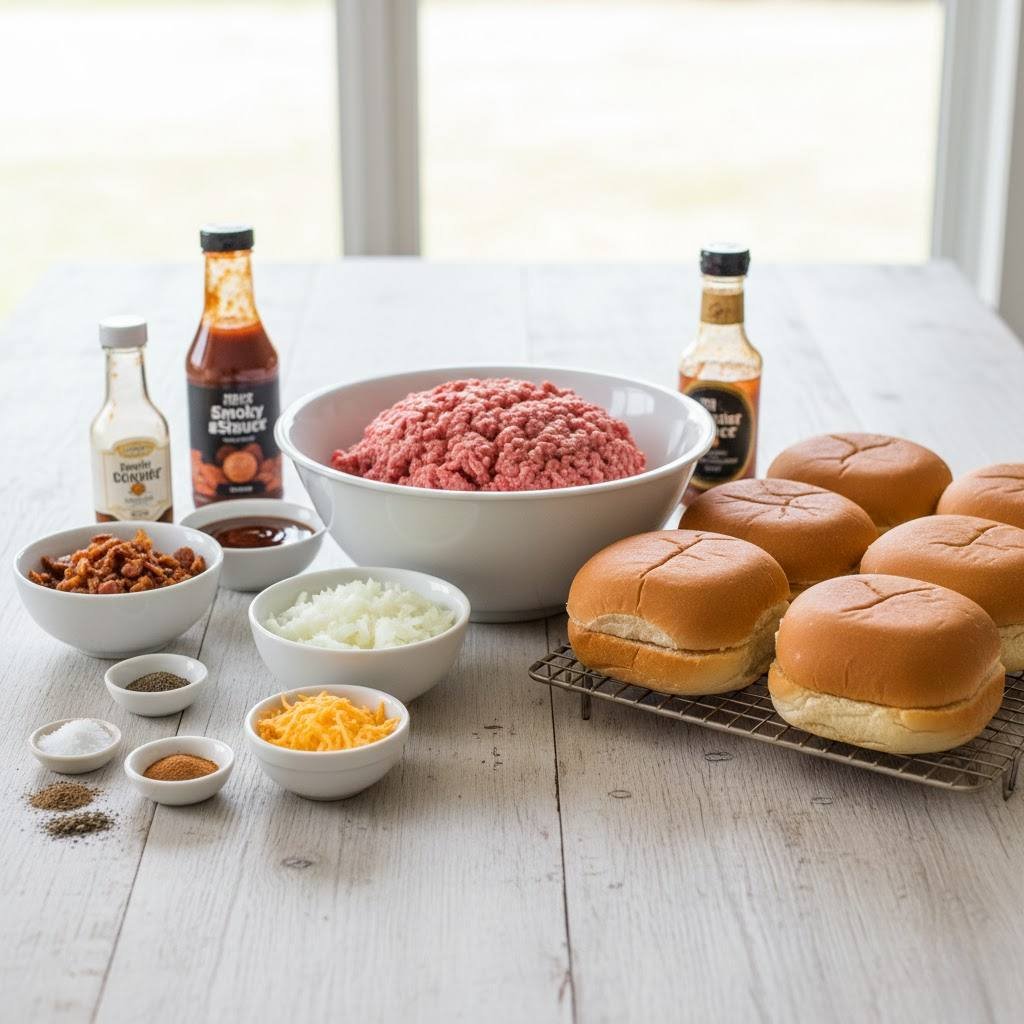
Filled Hamburger

What is Frozen Potato Casserole?

Essentially, frozen potato casserole blends creamy ingredients with thawed hash browns to create a delightful dish that’s baked to perfection. It often features a cheesy heartiness, complemented by a crunchy topping. The beauty of this dish lies in its flexibility; you can customize ingredients to suit dietary needs or personal preferences.

Ingredients You’ll Need To Make This Dish

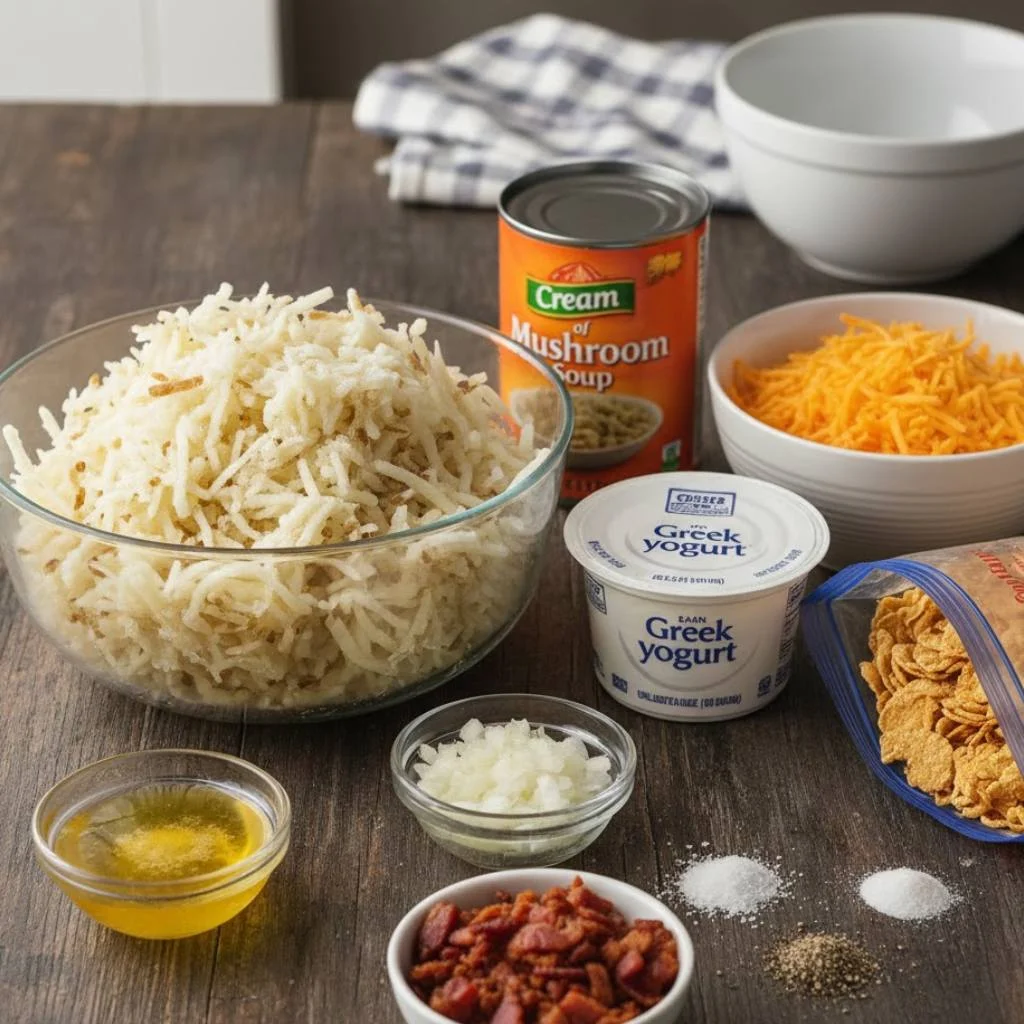
Ingredients You'll Need To Make This Dish

– 1 (2-pound) package frozen hash brown potatoes, thawed

– 1 (10.5-ounce) can cream of mushroom soup (or cream of chicken soup)

– 2 cups sharp Cheddar cheese, shredded

– 1 (8-ounce) container of Greek yogurt or sour cream

– 1 cup unsalted butter, melted, divided

– ½ cup finely chopped white onion

– ½ teaspoon salt

– ½ teaspoon black pepper

– 1 cup crushed cornflakes or panko bread crumbs

– 1 teaspoon garlic powder

– 1/2 cup cooked bacon bits (optional, for extra flavor)

Ingredients From :  allrecipes.com

How to Make This Frozen Potato Casserole?

Making frozen potato casserole is a simple process that involves mixing, transferring, and baking. Follow these easy steps to achieve that perfect creamy texture and crunchy topping.

Step-by-step Directions

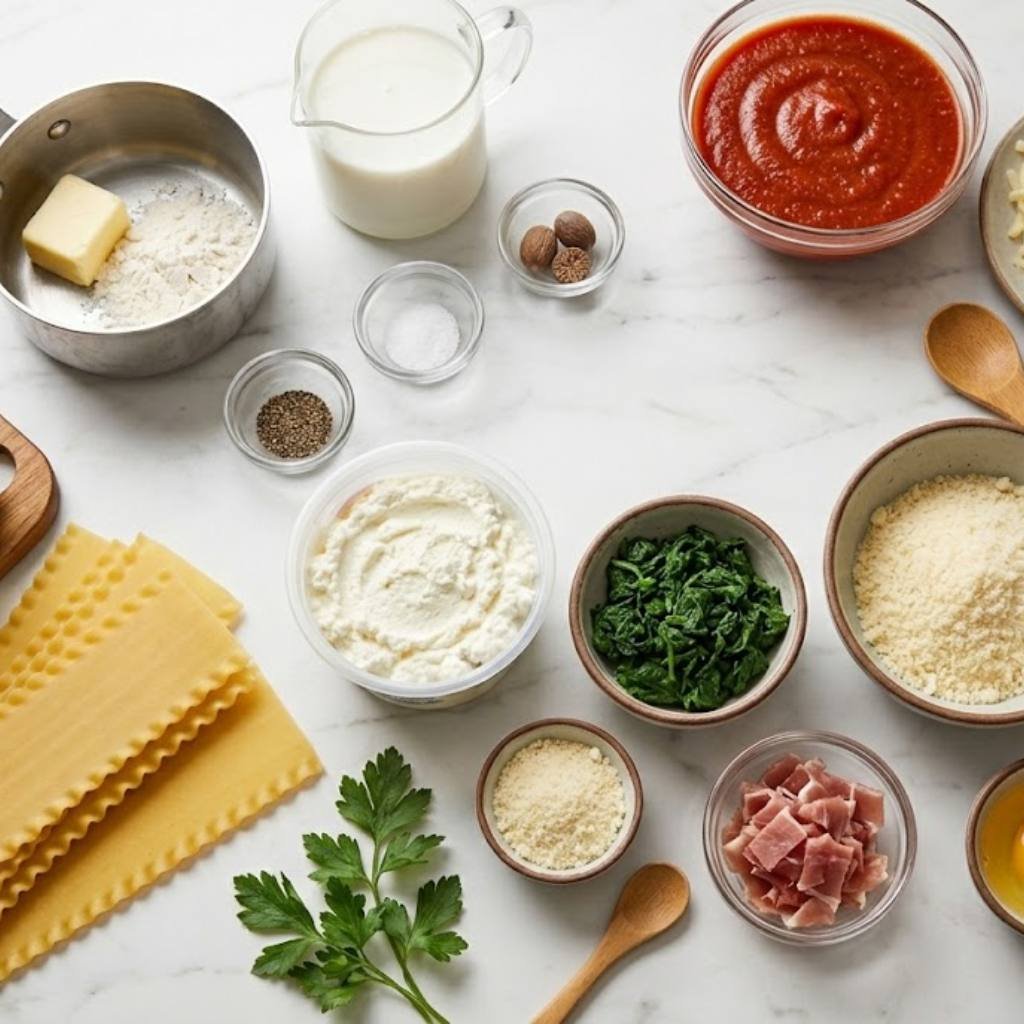
Step 1: Gather Your Ingredients

Step 1: Gather Your Ingredients

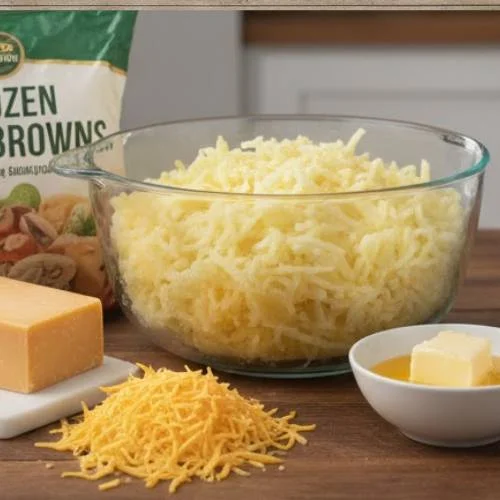
Start by rounding up all your ingredients. Thaw that bag of frozen hash browns, so they’re easy to mix. Make sure your butter is melted and other components are ready to go. It’ll save time and make the process smooth.

Step 2: Preheat Your Oven

Step 2: Preheat Your Oven

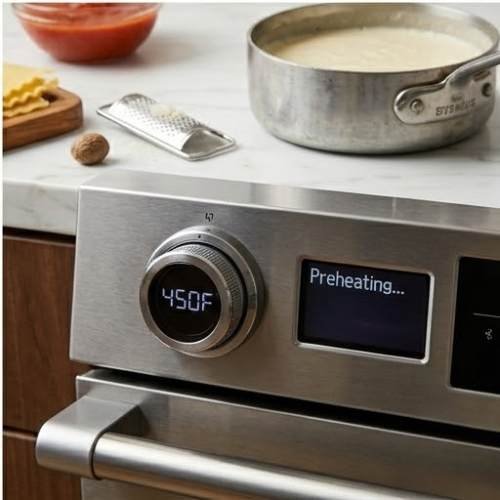
Set your oven to 350 degrees F (175 degrees C). While it’s warming up, you can prepare the casserole. A preheated oven ensures that your casserole cooks evenly, transforming it into a delightful golden brown.

Step 3: Mix Ingredients

Step 3: Mix Ingredients

In a large mixing bowl, combine the thawed hash browns, shredded Cheddar cheese, condensed cream of mushroom soup, Greek yogurt, half of the melted butter, chopped onion, garlic powder, salt, and pepper. Stir everything together until you have a uniformly mixed blend. This is where the flavors start to mingle—don’t be afraid to really scrap the sides of the bowl to get all those goodies together!

Step 4: Transfer to Baking Dish

Step 4: Transfer to Baking Dish

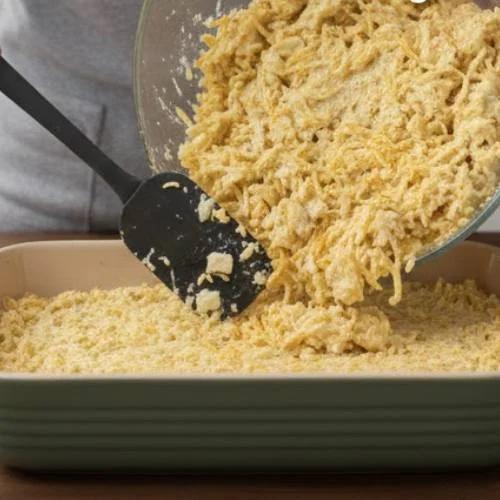
Once your mixture is ready, pour it into a greased 9×13-inch baking dish. Spread it out evenly. Remember, it’s all about those layers! Use a spatula to make sure it’s smooth on top.

Step 5: Add the Topping

Step 5: Add the Topping

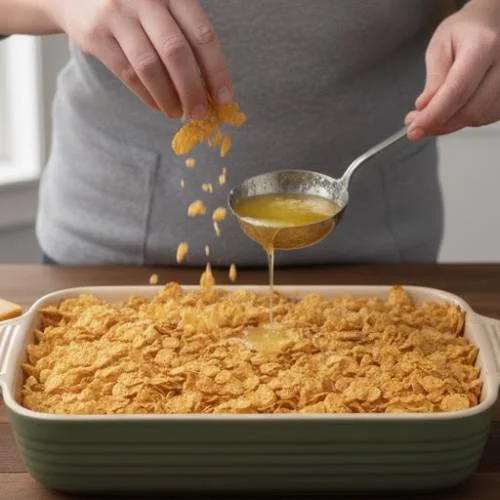
With your casserole spread in the dish, it’s time to sprinkle crushed cornflakes (or panko for a twist) over the top. Drizzle the remaining melted butter all over the cornflakes for that irresistible crunch. This topping adds texture and a touch of buttery decadence.

Step 6: Bake to Perfection

Step 6: Bake to Perfection

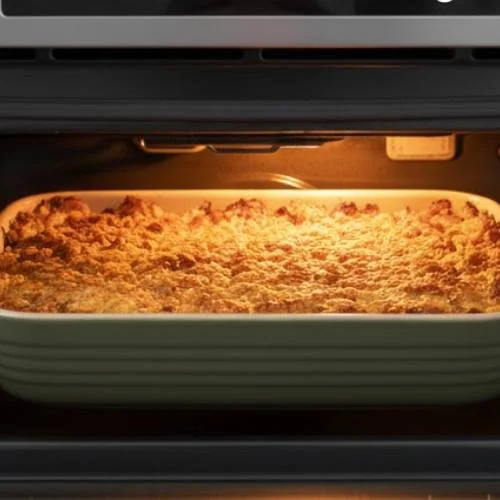
Pop your baking dish into the preheated oven and let it bake for about 1 hour to 1 hour 30 minutes. You’ll know it’s ready when the edges are bubbling, and the top has taken on a lovely golden hue. Keep an eye on it towards the end; we all know how ovens can vary!

Step 7: Serve and Enjoy

Once out of the oven, let the casserole cool for about 10 minutes. Serve warm and enjoy with family and friends. Don’t be surprised if you get requests for the recipe—isn’t that the best compliment?

Tips & Tricks

Thaw Completely: Ensure your hash browns are thoroughly thawed for even baking.

Customize Cheese: Experiment with different cheeses—Monterey Jack or Pepper Jack work wonderfully.

Add Vegetables: Consider incorporating green bell peppers or chopped spinach for extra nutrition.

Make It Ahead: This casserole can be prepared a day in advance and stored in the refrigerator before baking.

Freeze for Later: You can freeze the unbaked casserole for a quick meal later; just increase baking time when cooking from frozen.

How Do You Store The Leftovers?

After enjoying this delicious frozen potato casserole, you may have some leftovers (if you’re lucky!). To store them, let the casserole cool completely. Cover it tightly with plastic wrap or aluminum foil, or transfer it to an airtight container. It can be kept in the refrigerator for about 3 to 5 days. For longer storage, consider freezing it. Slice it into portions for easy reheating!

What Sides Would Complement?

Grilled Chicken: Juicy grilled chicken fits perfectly with the creamy potato casserole.

Steamed Asparagus: The freshness and crunch of asparagus is a great contrast.

Caesar Salad: Crisp greens with creamy dressing would enhance the meal beautifully.

Roasted Brussels Sprouts: The caramelized edges of Brussels sprouts add depth to your plate.

Baked Beans: A sweet and savory side that balances the rich flavors of the casserole.

What Other Substitutes Can I Use in Frozen Potato Casserole?

Hash Brown Options: If you can’t find frozen hash browns, diced frozen or fresh potatoes work as a substitute.

Creamed Soup: Swap out the cream of mushroom with cream of celery or even a homemade version.

Cheese Varieties: Use Gruyère or Gouda for a different flavor profile.

Greek Yogurt: If dairy is a concern, consider replacing it with a plant-based yogurt for a dairy-free option.

Crunchy Topping: Use crushed tortilla chips for a Mexican twist.

Frozen Potato Casserole

Frozen Potato Casserole

Contributor One
Frozen potato casserole is one of those classic comfort foods that brings warmth and satisfaction to the dinner table. Served primarily during holidays or special gatherings, it’s a dish rich in flavor and perfectly creamy.
Prep Time 15 minutes
Cook Time 1 hour
Course Main Course
Cuisine American
Servings 8
Calories 350 kcal

Equipment

  • 9×13-inch baking dish
  • Mixing bowls
  • Oven

Ingredients
  

  • – 1 2-pound package frozen hash brown potatoes, thawed
  • – 1 10.5-ounce can cream of mushroom soup (or cream of chicken soup)
  • – 2 cups sharp Cheddar cheese shredded
  • – 1 8-ounce container of Greek yogurt or sour cream
  • – 1 cup unsalted butter melted, divided
  • – ½ cup finely chopped white onion
  • – ½ teaspoon salt
  • – ½ teaspoon black pepper
  • – 1 cup crushed cornflakes or panko bread crumbs
  • – 1 teaspoon garlic powder
  • – 1/2 cup cooked bacon bits optional, for extra flavor

Instructions
 

Step 1: Gather Your Ingredients

  • Start by rounding up all your ingredients. Thaw that bag of frozen hash browns, so they’re easy to mix. Make sure your butter is melted and other components are ready to go. It’ll save time and make the process smooth.

Step 2: Preheat Your Oven

  • Set your oven to 350 degrees F (175 degrees C). While it’s warming up, you can prepare the casserole. A preheated oven ensures that your casserole cooks evenly, transforming it into a delightful golden brown.

Step 3: Mix Ingredients

  • In a large mixing bowl, combine the thawed hash browns, shredded Cheddar cheese, condensed cream of mushroom soup, Greek yogurt, half of the melted butter, chopped onion, garlic powder, salt, and pepper. Stir everything together until you have a uniformly mixed blend. This is where the flavors start to mingle—don’t be afraid to really scrap the sides of the bowl to get all those goodies together!

Step 4: Transfer to Baking Dish

  • Once your mixture is ready, pour it into a greased 9×13-inch baking dish. Spread it out evenly. Remember, it’s all about those layers! Use a spatula to make sure it’s smooth on top.

Step 5: Add the Topping

  • With your casserole spread in the dish, it’s time to sprinkle crushed cornflakes (or panko for a twist) over the top. Drizzle the remaining melted butter all over the cornflakes for that irresistible crunch. This topping adds texture and a touch of buttery decadence.

Step 6: Bake to Perfection

  • Pop your baking dish into the preheated oven and let it bake for about 1 hour to 1 hour 30 minutes. You’ll know it’s ready when the edges are bubbling, and the top has taken on a lovely golden hue. Keep an eye on it towards the end; we all know how ovens can vary!

Step 7: Serve and Enjoy

  • Once out of the oven, let the casserole cool for about 10 minutes. Serve warm and enjoy with family and friends. Don’t be surprised if you get requests for the recipe—isn’t that the best compliment?

Notes

Thaw Completely: Ensure your hash browns are thoroughly thawed for even baking.
Customize Cheese: Experiment with different cheeses—Monterey Jack or Pepper Jack work wonderfully.
Add Vegetables: Consider incorporating green bell peppers or chopped spinach for extra nutrition.
Make It Ahead: This casserole can be prepared a day in advance and stored in the refrigerator before baking.
Freeze for Later: You can freeze the unbaked casserole for a quick meal later; just increase baking time when cooking from frozen.

Nutrition

Calories: 350kcalCarbohydrates: 17gProtein: 8gFat: 32g
Keyword Frozen Potato Casserole
Tried this recipe?Let us know how it was!

FAQs

Q1: Can I make this casserole without dairy?

Absolutely! You can substitute non-dairy yogurt and use plant-based cheese for a dairy-free version.

Q2: How can I spice it up?

Incorporate spices such as paprika or cayenne pepper for a little heat, or add sautéed jalapeños for a zesty kick.

Q3: Can this casserole be frozen before baking?

Yes! Assemble the casserole but don’t bake it. Cover and freeze for up to 3 months. Just add extra baking time when you cook it from frozen.

Q4: Is there a gluten-free version?

Certainly! Ensure your cream soup is gluten-free (or use a homemade version) and opt for gluten-free cornflakes or breadcrumbs.

Q5: How can I reheat leftovers?

To reheat, preheat your oven to 350 degrees F, cover the casserole with foil, and heat for about 20-30 minutes, or until warmed through. You can also microwave individual portions.

Conclusion

Frozen potato casserole is a timeless dish that delights both young and old. Its creamy textures and comforting flavors make it a staple at family gatherings and dinner parties. Plus, it’s so easy to customize! Whether you’re looking to whip up a quick meal or impress guests at your next potluck, this casserole has got you covered.

Now that you have this recipe in your back pocket, it’s time to get cooking and create those lasting memories around the table. Enjoy!

You Might Also Like These Latest Recipes!

Frozen Oreo Pie Recipe

Fried Salmon Tacos Recipe

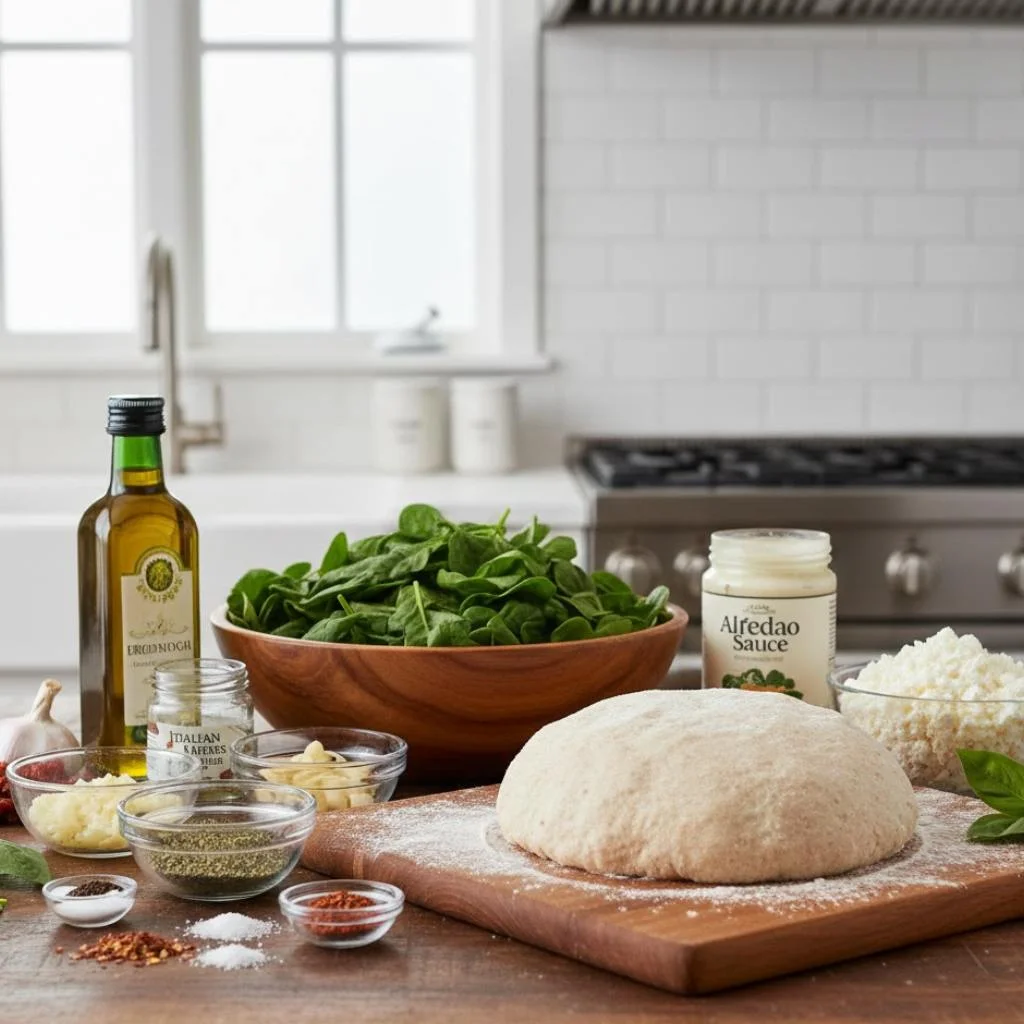
Fresh Spinach Pizza Recipe

Fried Salmon Tacos – Yam Yurns

Fried Salmon Tacos

There’s something about a summer evening, friends gathered, laughter floating in the air, and the aroma of fresh food wafting from the grill. While traditional tacos are forever a favorite, fried salmon tacos bring a wave of excitement to taco nights. 

Imagine sinking your teeth into a warm tortilla filled with flaky salmon, bright veggies, and a burst of zesty lime. You’ll be looking for excuses to make these often!

Fried Salmon Tacos

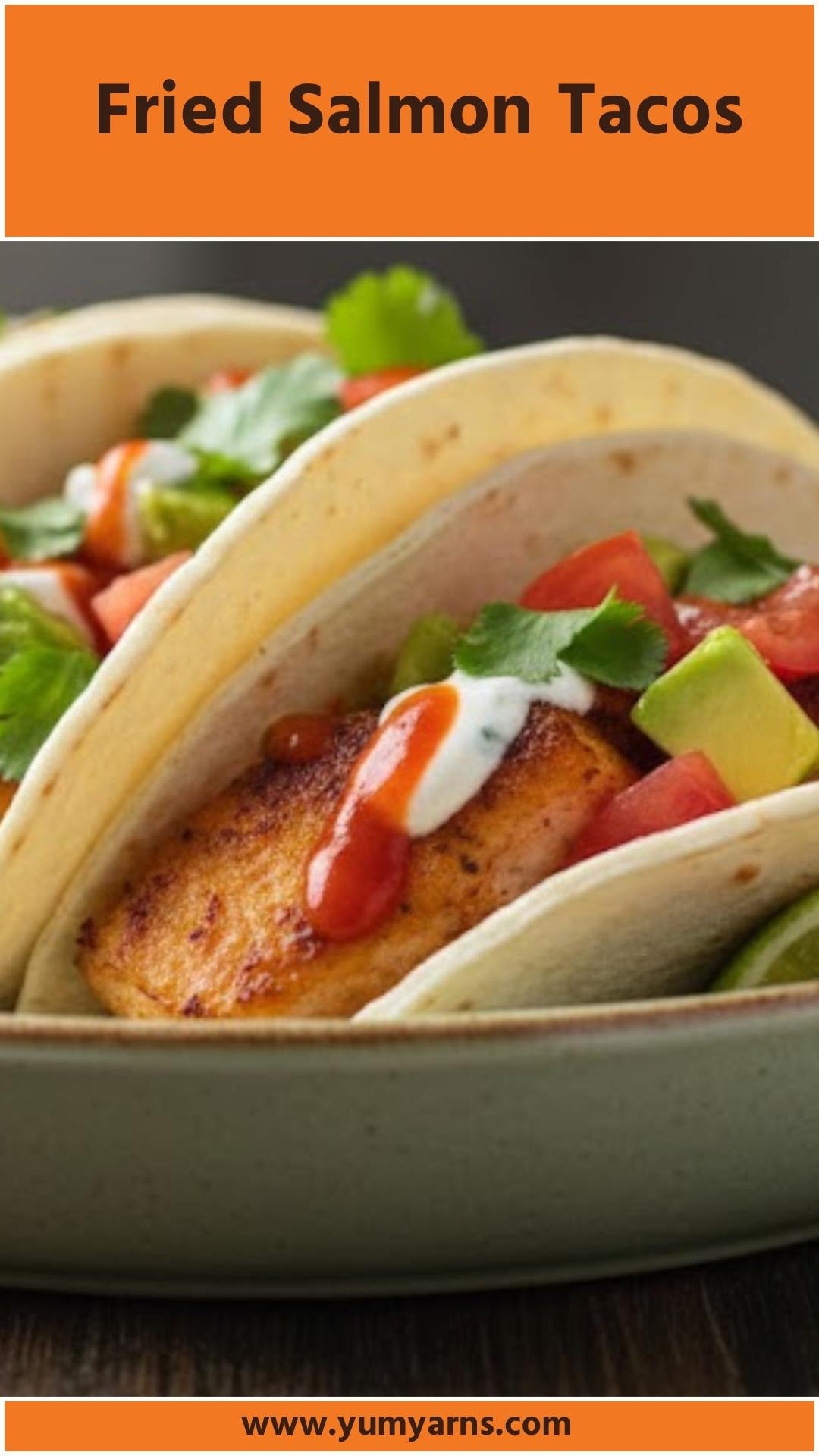
Fried salmon tacos are a delightful twist on the endless possibilities of taco filling. They combine the rich, buttery flavor of salmon with the crunch of fresh vegetables and the brightness of lime. Not only are they easy to make, but they also deliver a flavor payoff that will leave your taste buds dancing. 

Whether you’re planning a casual weeknight dinner or a summer gathering, these tacos will be the star of the show.

You Might Like These Recipes!

Fish Taco Cod

Filled Hamburger

Filled Burger

What are fried salmon tacos?

Fried salmon tacos consist of pieces of seasoned salmon fried until crispy and served in soft tortillas. Topped with fresh vegetables and zingy lime juice, they offer a perfect blend of textures and flavors. Each bite is a delightful mix of the savory fish, creamy avocado, and juicy tomatoes, all wrapped in warm, soft tortillas.

Why does this recipe work?

The beauty of this fried salmon taco recipe lies in its harmonious blend of flavors. The spices, including cumin and chili powder, elevate the salmon, adding deep earthiness that perfectly complements the fish’s sweetness. Fresh veggies like tomatoes and avocado add crunch and creaminess, bringing balance to each bite. The squeeze of fresh lime juice ties everything together, brightening the dish and enhancing the overall flavor profile.

What You’ll need to make this dish?

What You'll need to make this dish?

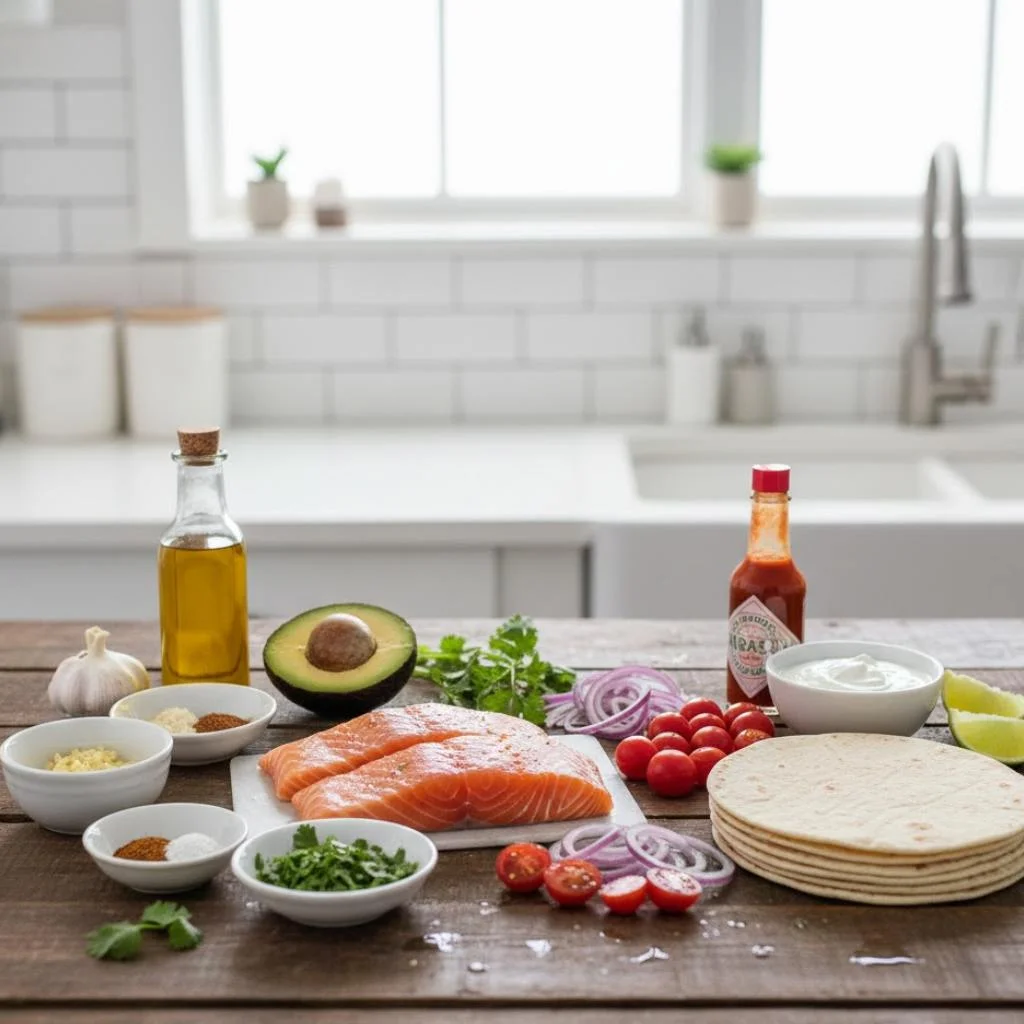
Gather the following ingredients:

Ingredients

– 1 ½ tablespoons olive oil

– 1 clove garlic, minced

– ½ teaspoon cumin

– ½ teaspoon chili powder

– ¼ teaspoon onion powder

– ¼ teaspoon salt

– 2 salmon fillets

– 8 small, soft tortillas

– 1 ripe avocado, diced

– 8 cherry tomatoes, halved

– ½ small red onion, sliced thinly

– 1 small handful fresh cilantro, chopped

– Juice of 1 lime

Optional Ingredients

– 2 tablespoons Greek yogurt

– Few dashes of hot sauce

Ingredients From : tastingtable.com

How to make fried salmon tacos?

Time to roll up your sleeves and dive into the cooking process! Making these tacos is a cinch, and you’ll have a delicious meal ready in no time.

Step-by-step directions

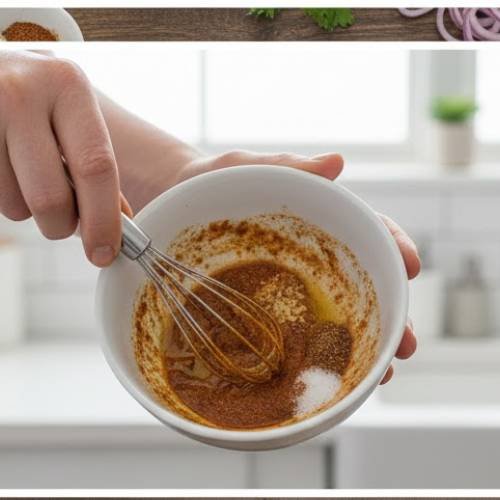
Step 1: Prepare the Spice Mixture

Step 1: Prepare the Spice Mixture

In a small bowl, combine the olive oil, minced garlic, cumin, chili powder, onion powder, and salt. Stir them together until well blended. This garlicky mix will infuse the salmon with flavor.

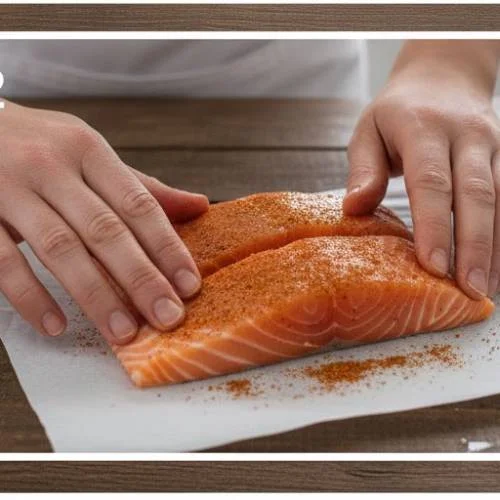
Step 2: Season the Salmon

Step 2: Season the Salmon

Place the salmon fillets on a plate and pour the spice mixture over them. Use your hands to rub the mixture onto each side of the salmon. Be generous here; this seasoning is crucial for the flavor.

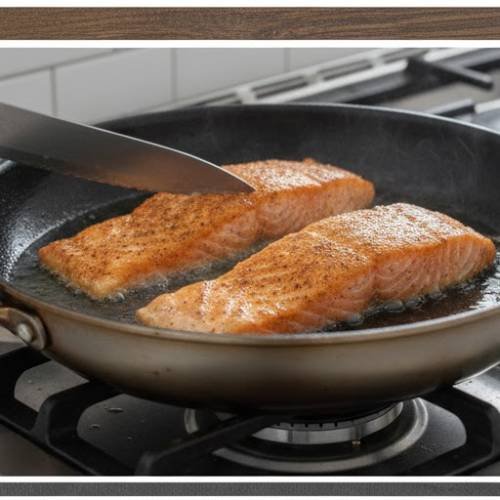
Step 3: Fry the Salmon

Step 3: Fry the Salmon

Heat a non-stick skillet over medium-high heat. Once hot, add the salmon fillets to the skillet. Fry each side for about 5 minutes or until the salmon is crispy and golden brown on the outside. The skin will separate easily, revealing tender, flaky fish inside.

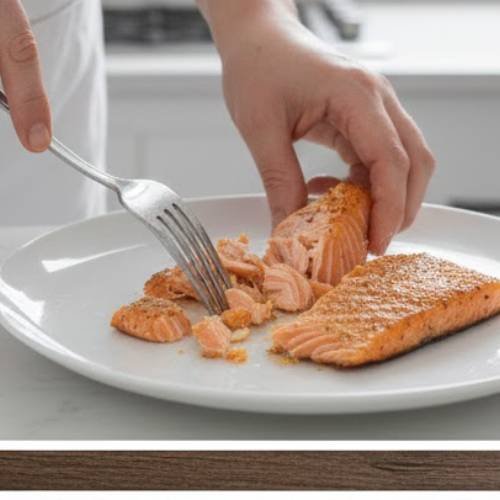
Step 4: Flake the Salmon

Step 4: Flake the Salmon

Once cooked, remove the salmon from the skillet. Let it cool for a minute, then gently flake the salmon off the skin using a fork, breaking it into bite-sized pieces for your tacos.

Step 5: Warm the Tortillas

Step 5: Warm the Tortillas

While the salmon cools, warm the tortillas. You can do this by wrapping them in a damp paper towel and microwaving for about 30 seconds or heating them in the oven for 2 to 3 minutes on low heat. Warm tortillas make all the difference.

Step 6: Assemble the Tacos

Step 6: Assemble the Tacos

Now it’s taco assembly time! Lay a tortilla flat, and add a generous amount of flaky salmon. Top it off with diced avocado, halved cherry tomatoes, thin slices of red onion, and a sprinkle of fresh cilantro.

Step 7: Finish with Lime and Extras

Squeeze fresh lime juice over each taco. For those who love a little kick, add a dollop of Greek yogurt or a drizzle of your favorite hot sauce to finish things off.

Tips

Use fresh salmon for the best flavor. Fresh is always better!

Don’t skip the lime juice; it lifts the flavors and adds a nice zing.

Customize your toppings with whatever you have on hand. Corn, radishes, or even mango could be delicious!

Prevent the tortillas from tearing by warming them before you pile on the fillings.

For extra flavor, marinate the salmon in the spice mixture for about 30 minutes before cooking.

How to store leftovers?

If you have any leftover salmon taco fixes, store them separately in airtight containers. The salmon can be refrigerated for up to 2 days. For the best texture, do not store tortillas with the filling, as they can become soggy.

How would I recommend serving fried salmon tacos?

Toppings station: Set up a taco bar with assorted toppings so everyone can customize their own.

Side dishes: Pair with a fresh corn salad or sweet potato fries for a balanced meal.

Drink pairings: Serve with a cold beverage like a classic margarita or sparkling water with lime.

Perfect for gatherings: These tacos are fantastic for casual get-togethers or summer picnics.

Meal prep: Make a big batch for easy lunches throughout the week!

What alternatives can you use for the ingredients if not available?

If you can’t find fresh salmon, go for canned salmon or other fish like tilapia or mahi-mahi, seasoned similarly.

No fresh garlic? Use garlic powder (½ teaspoon) in a pinch.

Lime juice can be swapped for lemon juice, giving a slightly different but still bright flavor.

For a dairy-free option, replace Greek yogurt with avocado crema or coconut yogurt.

If you don’t have tortillas, try using lettuce leaves for a low-carb alternative.

Fried Salmon Tacos

Fried Salmon Tacos

Tina Cooper
Dive into the deliciousness of fried salmon tacos with easy-to-follow steps, a zesty flavor explosion, and perfect as a quick weeknight meal or a party hit.
Prep Time 10 minutes
Cook Time 10 minutes
Course Main Course
Cuisine Mexican
Servings 4
Calories 360 kcal

Equipment

  • Skillet
  • small bowl
  • Spatula
  • serving plate
  • Fork

Ingredients
  

  • – 1 ½ tablespoons olive oil
  • – 1 clove garlic minced
  • – ½ teaspoon cumin
  • – ½ teaspoon chili powder
  • – ¼ teaspoon onion powder
  • – ¼ teaspoon salt
  • – 2 salmon fillets
  • – 8 small soft tortillas
  • – 1 ripe avocado diced
  • – 8 cherry tomatoes halved
  • – ½ small red onion sliced thinly
  • – 1 small handful fresh cilantro chopped
  • – Juice of 1 lime

Optional Ingredients

  • – 2 tablespoons Greek yogurt
  • – Few dashes of hot sauce

Instructions
 

Step 1: Prepare the Spice Mixture

  • In a small bowl, combine the olive oil, minced garlic, cumin, chili powder, onion powder, and salt. Stir them together until well blended. This garlicky mix will infuse the salmon with flavor.

Step 2: Season the Salmon

  • Place the salmon fillets on a plate and pour the spice mixture over them. Use your hands to rub the mixture onto each side of the salmon. Be generous here; this seasoning is crucial for the flavor.

Step 3: Fry the Salmon

  • Heat a non-stick skillet over medium-high heat. Once hot, add the salmon fillets to the skillet. Fry each side for about 5 minutes or until the salmon is crispy and golden brown on the outside. The skin will separate easily, revealing tender, flaky fish inside.

Step 4: Flake the Salmon

  • Once cooked, remove the salmon from the skillet. Let it cool for a minute, then gently flake the salmon off the skin using a fork, breaking it into bite-sized pieces for your tacos.

Step 5: Warm the Tortillas

  • While the salmon cools, warm the tortillas. You can do this by wrapping them in a damp paper towel and microwaving for about 30 seconds or heating them in the oven for 2 to 3 minutes on low heat. Warm tortillas make all the difference.

Step 6: Assemble the Tacos

  • Now it’s taco assembly time! Lay a tortilla flat, and add a generous amount of flaky salmon. Top it off with diced avocado, halved cherry tomatoes, thin slices of red onion, and a sprinkle of fresh cilantro.

Step 7: Finish with Lime and Extras

  • Squeeze fresh lime juice over each taco. For those who love a little kick, add a dollop of Greek yogurt or a drizzle of your favorite hot sauce to finish things off.

Notes

Use fresh salmon for the best flavor. Fresh is always better!
Don’t skip the lime juice; it lifts the flavors and adds a nice zing.
Customize your toppings with whatever you have on hand. Corn, radishes, or even mango could be delicious!
Prevent the tortillas from tearing by warming them before you pile on the fillings.
For extra flavor, marinate the salmon in the spice mixture for about 30 minutes before cooking.

Nutrition

Serving: 4gCalories: 360kcalCarbohydrates: 15.1gProtein: 22.4gFat: 20.3gSaturated Fat: 4gCholesterol: 54.5mgFiber: 3.8g
Keyword Fried Salmon Tacos
Tried this recipe?Let us know how it was!

FAQs

1. Can I bake the salmon instead of frying?

Absolutely! Bake the seasoned salmon in a preheated oven at 375°F for about 15-20 minutes until cooked through. This option is healthier and still delightful.

2. What can I do with leftover fried salmon?

You can use leftover salmon in salads, as a topping for rice bowls, or mixed into scrambled eggs for breakfast.

3. Are these tacos gluten-free?

Yes, they can be gluten-free by using corn tortillas instead of flour tortillas. Just check the label!

4. Can I meal prep these tacos?

Definitely! Cook the salmon and chop the veggies in advance. When you’re ready to eat, simply warm the tortillas and assemble.

5. What should I do if the salmon is overcooked?

Don’t fret! Overcooked salmon can be shredded and mixed with a bit of sour cream or yogurt to restore some moisture.

Conclusion

Fried salmon tacos are a delightful addition to your recipe repertoire. They’re not only quick and easy to prepare but they also tick all the boxes for flavor and nutrition. Whether you’re serving them for a casual weeknight dinner or impressing guests at a summer barbecue, these tacos will surely be a hit.

Trust me, once you bite into those crispy, flavorful salmon tacos, you’ll find yourself coming back for more. So grab your ingredients and get ready to enjoy a burst of tasty bliss!

You Might Also Like These Latest Recipes!

Fresh Spinach Pizza Recipe

Fresh Ham Recipe In Crock Pot Recipe

French Toast With Brioche Recipe

Fresh Spinach Pizza – Yam Yurns

Fresh Spinach Pizza

Is there anything better than the smell of pizza wafting through your kitchen? It just seems to bring everything together. Whether it’s game night or a casual weekend dinner, pizza has a way of making everything feel festive.

 The freshness of the spinach on this pizza harmonizes wonderfully with the rich, creamy Alfredo sauce and the melty cheese. It’s a delightful option that complements a simple side salad or grilled vegetables—both perfect companions for this vibrant dish.

Fresh Spinach Pizza

Fresh spinach pizza has become a staple in my home, especially during those busy weeknights when I want something wholesome and easy to whip up. Spinach isn’t just nutritious; it adds a unique earthiness and depth to the dish.

 With melted cheese and a drizzle of tangy Alfredo sauce, this pizza is a party on a plate. It’s simple, delicious, and fun to make, making it a perfect candidate for family dinners or casual get-togethers.

You Might Like These Recipes!

Standing Rib Roast Au Jus with Creamy Horseradish Sauce

Mini Swedish Meatballs With Mashed Potatoes

Fancy Spaghetti and Meatballs Recipe

What is the flavor profile of this dish?

This pizza boasts a delightful mix of creamy, savory, and fresh flavors. The umami-rich Alfredo sauce melts beautifully with the mozzarella or fontina, creating a luscious base. Then, the brightness of the spinach adds a pop of freshness and just a hint of bitterness, perfectly balanced with the richness of the cheeses. A sprinkle of crumbled feta brings a salty tang, while the optional pinch of red pepper flakes adds a kick. Each bite will make you smile, and before you know it, you’ll be reaching for another slice.

What Makes This Recipe Different From Other Fresh Spinach Pizza?

What sets this spinach pizza apart from the rest? Instead of relying solely on tomato sauce and traditional toppings, this recipe introduces a creamier alternative—Alfredo sauce. This change not only enhances the flavor but also elevates the entire experience, giving your pizza a feel of indulgence while keeping it nutritious. Plus, the combination of chickpeas with fresh herbs provides a unique textural contrast and added protein, making this dish a standout.

The Ingredients You’ll Need

The Ingredients You'll Need

Here’s what you’ll need for your fresh spinach pizza, slightly reworded and jazzed up for both flavor and flair:

– 1 tablespoon extra virgin olive oil

– 1 clove of garlic, sliced thinly

– 2 teaspoons of Italian herb blend (Greek seasoning is fine too)

– A pinch of table salt

– A dash of black pepper

– 10 cups of baby spinach (roughly 1-10 ounce package)

– Additional flour for dusting

– 1 pound of prepared pizza dough (whole grain is a great choice) at room temperature

– 1/2 cup Alfredo sauce (I recommend Rao’s for quality)

– 6 ounces of low-moisture mozzarella or a flavorful fontina, shredded (about three-quarters of a cup)

– 4 ounces of crumbled feta cheese, divided

– A pinch of red pepper flakes (optional, but recommended for a kick!)

Optional add-ins: 1/4 cup chopped sun-dried tomatoes for extra flavor and a handful of fresh basil leaves for garnish.

Ingredients From : healthyseasonalrecipes.com

How to make Fresh Spinach Pizza?

Getting your hands on pizza dough and fresh ingredients is the first step to creating this masterpiece. It’s a straightforward process, allowing you to channel your inner pizzaiolo in no time! Here’s a simple guide you can follow.

Step-by-Step Directions

Step 1: Preheat the Oven

Step 1: Preheat the Oven

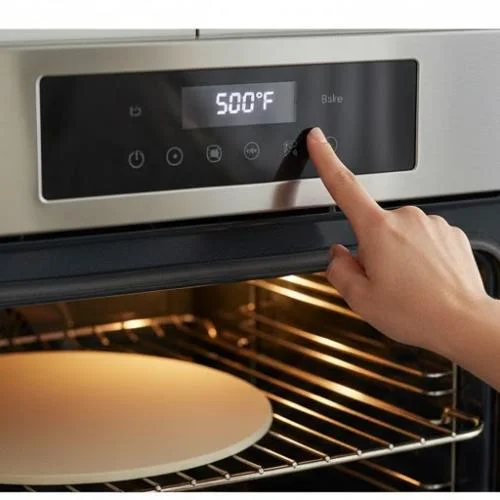
First things first, you’ll want to get your oven ready. Place the oven rack in the center, and if you’re using a pizza stone, make sure to set it up on the rack while preheating. You’ll want to preheat your oven to a toasty 500°F. This high temperature is key to achieving that wonderful golden crust that we all crave!

Step 2: Sauté the Spinach

Step 2: Sauté the Spinach

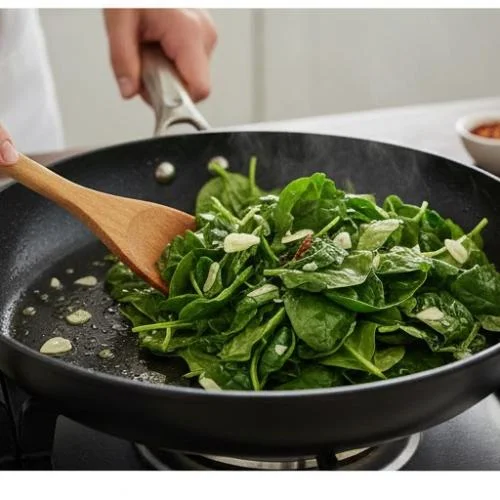
Get a large non-stick skillet on medium heat and pour in the olive oil. Heat until it shimmers—this is when you know it’s ready. Toss in the sliced garlic and stir, letting it cook for about 30 seconds until fragrant. The aroma will hit you, and you’ll be ready for those greens! Add the baby spinach, Italian herb blend, salt, and pepper. Stir gently, allowing the spinach to wilt and the water to evaporate—this should take around 3 minutes. It’s all about getting that perfect, tender spinach mix to layer onto your pizza.

Step 3: Cool the Spinach

Step 3: Cool the Spinach

Once the spinach is wilted, transfer it onto a paper towel-lined plate. This helps absorb any excess moisture while it cools off, giving you about 10 minutes to focus on your dough.

Step 4: Shape the Dough

Step 4: Shape the Dough

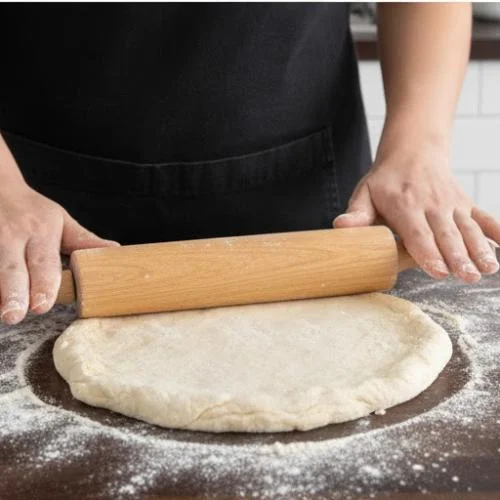
On a lightly floured surface, roll out your pizza dough using a rolling pin. Aim to shape it into about a 12-inch circle. Don’t sweat it if it’s not a perfect circle; rustic is charming! Once you have it roughly shaped, transfer the dough onto a large piece of parchment paper set on a cookie sheet or a pizza peel.

Step 5: Create the Crust

Step 5: Create the Crust

Now, let’s form the crust! Use your fingers to press outward to create a raised edge around the outer rim, about 1 inch thick. This part is crucial as it holds all your delicious toppings in.

Step 6: Spread the Alfredo Sauce

Step 6: Spread the Alfredo Sauce

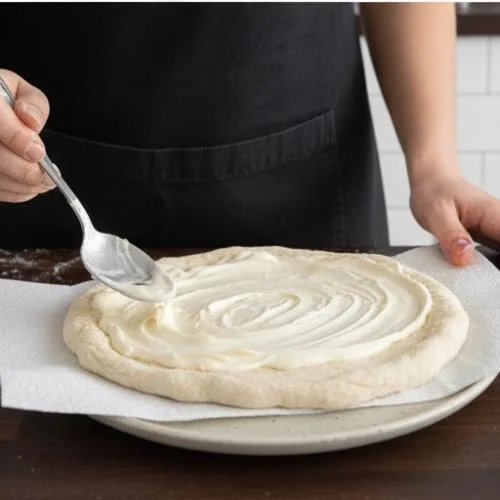
Grab your Alfredo sauce and spread it evenly over the pizza dough, leaving the 1-inch border untouched. This creamy layer will be the base for all your toppings!

Step 7: Add the Spinach

Using tongs, distribute the cooled spinach mixture evenly over the sauce. This will be your flavorful filling.

Step 8: Cheese It Up

Sprinkle the shredded mozzarella or fontina cheese generously over the spinach, followed by the crumbled feta. If you’re feeling adventurous, add a pinch of red pepper flakes on top too—this is where things get exciting!

Step 9: Bake the Pizza

Here comes the fun part! Carefully slide the pizza (with the parchment) onto the preheated pizza stone or directly onto the oven rack. If you’re using a baking pan, just place it in the center of the oven. Bake for about 10 to 12 minutes. Watch closely—you’re looking for those beautiful golden edges and melty cheese.

Step 10: Slice and Serve

Once out of the oven, let the pizza cool for a minute. Slice it up, serve it to family or friends, and prepare for a chorus of “Mmm!” as you all enjoy your creation.

Tips On Making Fresh Spinach Pizza

Use Fresh Ingredients: The quality of your ingredients, especially the spinach and cheese, makes a huge difference in flavor. Always opt for fresh.

Rolling Out Dough: If the dough is too sticky, lightly flour your surface and hands. Keep it moving to prevent sticking.

Adjust Thickness: If you prefer a thicker crust, shape the dough into a smaller circle. It will rise more during baking.

Cheese Choices: Don’t hesitate to experiment with different cheeses. Goat cheese or a blend of cheeses can add complexity.

Garnish Wisely: A sprinkle of fresh herbs like basil or a drizzle of high-quality olive oil just before serving can elevate your pizza!

Storage Tips

If you end up with leftover pizza (which is a rarity, but it happens!), cool it to room temperature and store the slices in an airtight container in the refrigerator. It should last for about 3 to 4 days. To reheat, you can bake it in the oven at 350°F for 10-15 minutes, or simply pop it in the microwave if you’re in a hurry.

Serving Suggestions

Tossed Green Salad: A simple mix of greens, tomatoes, and a vinaigrette adds a fresh crunch.

Grilled Vegetables: Roasted zucchini, peppers, and asparagus make for a wonderful side.

Fruit Salad: For a sweet touch, serve it alongside a light fruit salad for dessert.

Herbed Yogurt Dip: A dollop of yogurt seasoned with garlic and herbs can complement the pizza beautifully.

Chilled Wine: A crisp white wine or sparkling water with lemon will refresh your palate.

If Some Ingredients Are Not Available in Your Kitchen, What Are Some Substitute Options?

Instead of Alfredo Sauce: Try using pesto or even a homemade white sauce for a different flavor.

Feta Cheese Swap: Goat cheese or ricotta can also provide a nice tang and creaminess.

If You Don’t Have Spinach: Kale can be a good alternative; just chop it finely and sauté it more thoroughly to soften it.

Pizza Dough: If time doesn’t allow, get a pre-made pizza crust from the store. Whole-grain options are common.

Cheese Options: If mozzarella isn’t available, Monterey Jack or even a vegan cheese can do the trick.

Fresh Spinach Pizza

Fresh Spinach Pizza

Tina Cooper
Fresh spinach pizza has become a staple in my home, especially during those busy weeknights when I want something wholesome and easy to whip up. Spinach isn’t just nutritious; it adds a unique earthiness and depth to the dish.
Prep Time 15 minutes
Cook Time 12 minutes
Course Main dish
Cuisine Italian
Servings 4
Calories 320 kcal

Equipment

  • large skillet
  • Oven
  • Pizza Peel
  • Rolling Pin
  • Parchment paper

Ingredients
  

  • Here’s what you’ll need for your fresh spinach pizza slightly reworded and jazzed up for both flavor and flair:
  • – 1 tablespoon extra virgin olive oil
  • – 1 clove of garlic sliced thinly
  • – 2 teaspoons of Italian herb blend Greek seasoning is fine too
  • – A pinch of table salt
  • – A dash of black pepper
  • – 10 cups of baby spinach roughly 1-10 ounce package
  • – Additional flour for dusting
  • – 1 pound of prepared pizza dough whole grain is a great choice at room temperature
  • – 1/2 cup Alfredo sauce I recommend Rao’s for quality
  • – 6 ounces of low-moisture mozzarella or a flavorful fontina shredded (about three-quarters of a cup)
  • – 4 ounces of crumbled feta cheese divided
  • – A pinch of red pepper flakes optional, but recommended for a kick!

– Optional add-ins: 1/4 cup chopped sun-dried tomatoes for extra flavor and a handful of fresh basil leaves for garnish.

Instructions
 

Step 1: Preheat the Oven

  • First things first, you’ll want to get your oven ready. Place the oven rack in the center, and if you’re using a pizza stone, make sure to set it up on the rack while preheating. You’ll want to preheat your oven to a toasty 500°F. This high temperature is key to achieving that wonderful golden crust that we all crave!

Step 2: Sauté the Spinach

  • Get a large non-stick skillet on medium heat and pour in the olive oil. Heat until it shimmers—this is when you know it’s ready. Toss in the sliced garlic and stir, letting it cook for about 30 seconds until fragrant. The aroma will hit you, and you’ll be ready for those greens! Add the baby spinach, Italian herb blend, salt, and pepper. Stir gently, allowing the spinach to wilt and the water to evaporate—this should take around 3 minutes. It’s all about getting that perfect, tender spinach mix to layer onto your pizza.

Step 3: Cool the Spinach

  • Once the spinach is wilted, transfer it onto a paper towel-lined plate. This helps absorb any excess moisture while it cools off, giving you about 10 minutes to focus on your dough.

Step 4: Shape the Dough

  • On a lightly floured surface, roll out your pizza dough using a rolling pin. Aim to shape it into about a 12-inch circle. Don’t sweat it if it’s not a perfect circle; rustic is charming! Once you have it roughly shaped, transfer the dough onto a large piece of parchment paper set on a cookie sheet or a pizza peel.

Step 5: Create the Crust

  • Now, let’s form the crust! Use your fingers to press outward to create a raised edge around the outer rim, about 1 inch thick. This part is crucial as it holds all your delicious toppings in.

Step 6: Spread the Alfredo Sauce

  • Grab your Alfredo sauce and spread it evenly over the pizza dough, leaving the 1-inch border untouched. This creamy layer will be the base for all your toppings!

Step 7: Add the Spinach

  • Using tongs, distribute the cooled spinach mixture evenly over the sauce. This will be your flavorful filling.

Step 8: Cheese It Up

  • Sprinkle the shredded mozzarella or fontina cheese generously over the spinach, followed by the crumbled feta. If you’re feeling adventurous, add a pinch of red pepper flakes on top too—this is where things get exciting!

Step 9: Bake the Pizza

  • Here comes the fun part! Carefully slide the pizza (with the parchment) onto the preheated pizza stone or directly onto the oven rack. If you’re using a baking pan, just place it in the center of the oven. Bake for about 10 to 12 minutes. Watch closely—you’re looking for those beautiful golden edges and melty cheese.

Step 10: Slice and Serve

  • Once out of the oven, let the pizza cool for a minute. Slice it up, serve it to family or friends, and prepare for a chorus of “Mmm!” as you all enjoy your creation.

Notes

Use Fresh Ingredients: The quality of your ingredients, especially the spinach and cheese, makes a huge difference in flavor. Always opt for fresh.
Rolling Out Dough: If the dough is too sticky, lightly flour your surface and hands. Keep it moving to prevent sticking.
Adjust Thickness: If you prefer a thicker crust, shape the dough into a smaller circle. It will rise more during baking.
Cheese Choices: Don’t hesitate to experiment with different cheeses. Goat cheese or a blend of cheeses can add complexity.
Garnish Wisely: A sprinkle of fresh herbs like basil or a drizzle of high-quality olive oil just before serving can elevate your pizza!

Nutrition

Calories: 320kcal
Keyword Fresh Spinach Pizza
Tried this recipe?Let us know how it was!

FAQs

1. Can I make this pizza ahead of time?

Absolutely! You can prepare the spinach mixture and sauce ahead, and keep the dough ready. Assemble and bake it just before serving for a fresh taste.

2. Is this pizza kid-friendly?

For sure! Kids love pizza, and the creamy sauce and cheese will appeal to their taste buds. You can even let them help with toppings.

3. Can I freeze this pizza?

Yes, you can freeze it before baking. Just wrap it tightly in plastic and foil, and it should last for up to a month. Bake from frozen—it may need a few extra minutes.

4. What if I want more veggies?

Feel free to pile on more vegetables! Mushrooms, bell peppers, or artichoke hearts are great additions that roast well with the pizza.

5. What other protein options can I include?

Cooked chicken or roasted chickpeas can boost the protein content of your pizza. Just add them on top before baking.

Conclusion

Fresh spinach pizza presents an exciting twist on classic flavors, drawing in everyone with its creamy goodness and nutritional boosts. Whether you’re serving it for a family dinner or a cozy gathering, it’s sure to impress.

So roll up your sleeves, grab your ingredients, and enjoy the process of creating this vibrant dish. With each slice, you’re not just sharing a meal – you’re crafting happy memories in the kitchen! Now, who’s ready for a slice?

You Might Also Like These Latest Recipes!

Fresh Ham Recipe In Crock Pot Recipe

French Toast With Brioche Recipe

Four Layer Dessert Recipe Chocolate Pudding Recipe

Fish Taco Cod Recipe – Yum Yarns

Fish Taco Cod Recipe

There’s something special about a sunny day, some fresh radishes on the table, and the intoxicating smell of charred tortillas wafting through the air. Summer gatherings call for lighter, vibrant meals, and my fish tacos hit the spot every time. You can feel the joy in the kitchen as I whip up these zesty treats. And while I adore serving them with an avocado salsa or a side of fresh salsa verde, nothing quite compares to that first bite of these fish tacos. The tender cod paired with crunchy slaw and zesty sauce—trust me, even the kids will be clamoring for seconds.

Fish Taco Cod Recipe

Let’s dive into one of my favorite dishes—fish tacos! They’re not just a meal; they’re an experience. I’ve spent years perfecting my version with firm white fish like cod, vibrant veggies, and a sauce that brings all the flavors together. This recipe is packed with fresh ingredients and it’s also quick to prepare, making dinner a breeze. Seriously, whether you’re throwing a casual get-together or just trying to impress the family on a weeknight, these fish tacos will take center stage.

You Might Like These Recipes!

Filled Hamburger

Filled Burger

Fat Chowder Recipe

What is fish taco cod recipe?

At its core, this recipe is about taking white fish, like cod, and transforming it into a delicious taco filling, layered with slaw and a zesty sauce. It’s about creating a dish that captures the essence of Mexican street food—a warm tortilla, a bit of crunch, and a flavor explosion with every bite. Add in your favorite toppings and you’ve got a meal that’s bound to please everyone at the table.

Why this recipe works?

The beauty of this dish lies in the textures and flavors. The cod is gently seasoned, allowing it to shine without being overpowered. Pairing it with crunchy cabbage slaw adds a refreshing bite while the sauce rounds everything out with creaminess and zest. This combination creates that right harmony that keeps you coming back for more. Plus, it’s flexible enough to accommodate different tastes and preferences.

What You’ll need to make this dish?

What You'll need to make this dish?

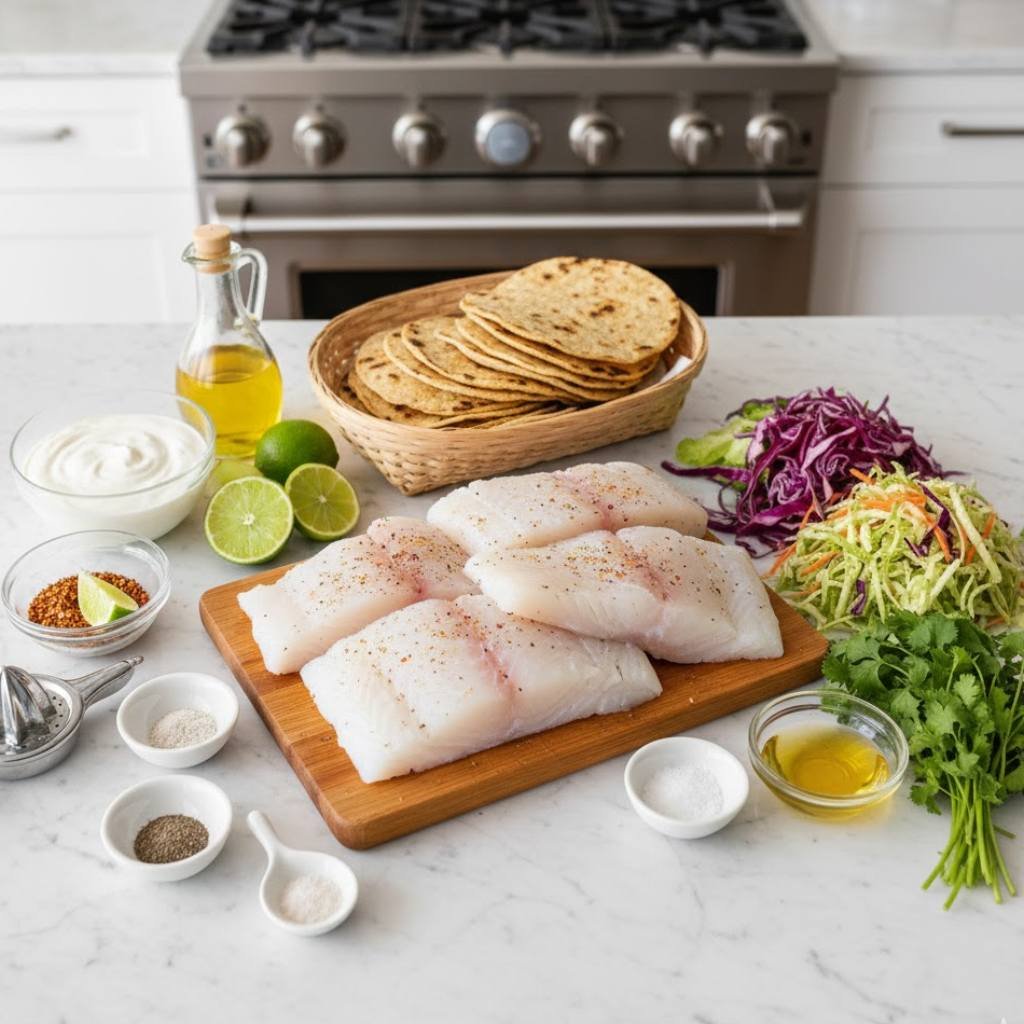
Gather these key ingredients to whip up your fish taco cod:

For the Fish:

– 4 pieces of 4 oz skinless firm white fish (like cod, mahi mahi or snapper), preferably fresh

– 1/2 teaspoon ground cumin

– 1/2 teaspoon kosher salt

– 3/4 teaspoon lime chili seasoning (like Tajin Classic)

For the Sauce (makes 1/2 cup):

– 1/4 cup fat-free Greek yogurt

– 2 tablespoons light mayonnaise

– 1 tablespoon freshly squeezed lime juice

– 1—2 tablespoons water (for thinning)

– 3/4 teaspoon chili-lime seasoning salt (such as Tajin Classic)

– 1/8 teaspoon kosher salt

– A pinch of garlic powder (to deepen flavor)

For the Slaw:

– 1/4 cup chopped fresh cilantro

– 1 cup green cabbage, finely sliced

– 1 cup red cabbage, finely sliced

– 1/4 cup shredded carrots

– 1 tablespoon olive oil

– 1 tablespoon lime juice

– 1/4 teaspoon kosher salt

Tortillas:

– 8 fresh corn tortillas, charred on an open flame for 30 seconds on each side

– Lime wedges for serving

How to make fish taco cod recipe?

Let’s get this cooking party started! The following steps will guide you in bringing this tasty fish taco cod dish to life.

Step-by-Step Directions

Step 1: Prep the Fish

Step 1: Prep the Fish

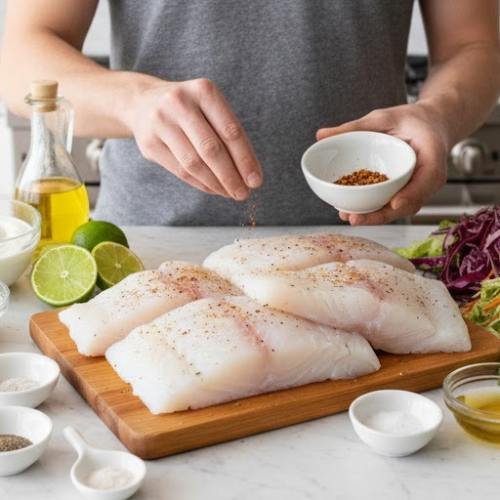
Begin by taking your pieces of fresh cod. Rinse them under cold water and pat them dry with paper towels. Now, sprinkle the fish with the cumin, kosher salt, and lime chili seasoning. The seasoning is what gives the fish a little personality and that essential depth of flavor.

Step 2: Make the Sauce

Step 2: Make the Sauce

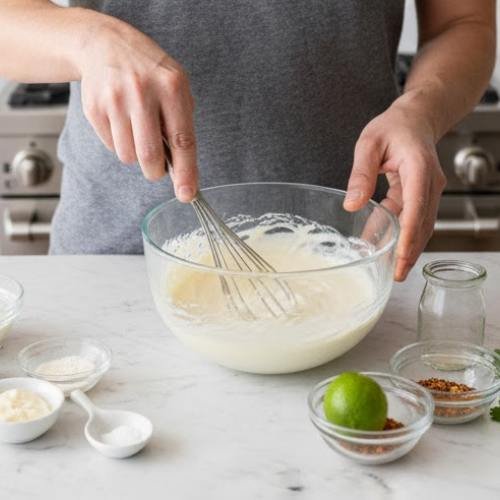
In a small mixing bowl, add the Greek yogurt, light mayonnaise, lime juice, and the water to thin it out. Toss in the chili-lime seasoning salt and kosher salt along with the pinch of garlic powder. Mix until combined, and pop this sauce in the refrigerator until you’re ready to serve. It needs some personal time to come together better.

Step 3: Prepare the Slaw

Step 3: Prepare the Slaw

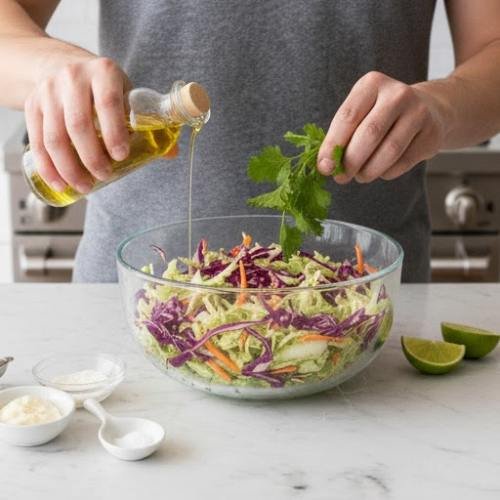
While the sauce is hanging out, it’s time to make the slaw. In a large bowl, combine green cabbage, red cabbage, shredded carrots, and cilantro. Drizzle the olive oil and lime juice over the veggies, sprinkle on the salt, and toss everything together until well coated. Set aside in the fridge to chill and marry those flavors.

Step 4: Cook the Fish

Step 4: Cook the Fish

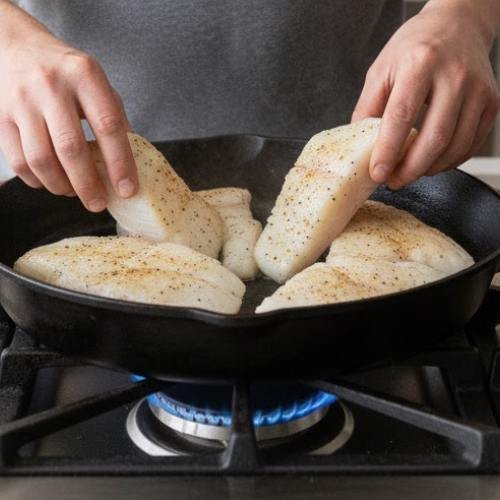
Heat a non-stick skillet over medium-high heat. Lightly spray it with olive oil for some added flavor and to prevent sticking. When the skillet is hot, carefully place the seasoned cod in the pan and cook for about 4 to 5 minutes on each side. You’re looking for the fish to become opaque and to develop a tasty char. Once it’s cooked through, remove it from the skillet and let it rest for a minute, then break it up into larger chunks.

Step 5: Char the Tortillas

Step 5: Char the Tortillas

Using that same skillet (no need to clean it), char your tortillas over an open flame or in the skillet for about 30 seconds on each side. The goal here is to warm them and give them a bit of that lovely smokiness. Once done, stack the tortillas on a plate and cover them with a towel to keep warm.

Step 6: Assemble the Tacos

Step 6: Assemble the Tacos

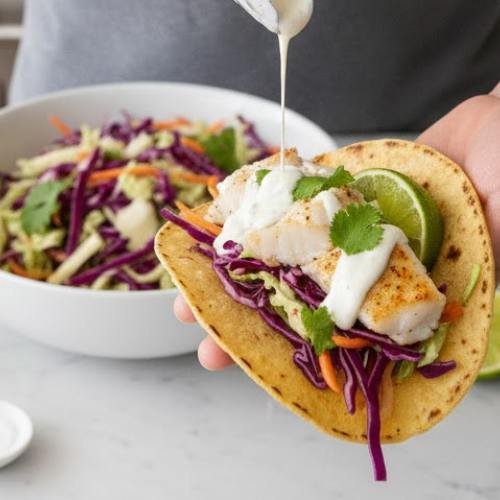
Now comes the fun part—assembly! Take a warm tortilla, place a layer of slaw on the bottom, add some chunks of your beautifully cooked fish, and drizzle your zesty sauce over the top. Don’t forget a lime wedge on the side for that extra zing when you bite into your taco!

Tips

– Use a thermometer to ensure your fish is cooked to a safe internal temperature of 145°F.

– If you prefer extra toppings, try adding diced avocado or a sprinkle of feta for some creaminess.

– Marinate the fish for 30 minutes before cooking for even more flavor.

– You can add extra crunch with crispy tortilla strips on top of the tacos.

– To keep everything organized, prepare your ingredients ahead of time.

How to store leftovers?

To store leftover fish tacos, keep each component in separate airtight containers in the refrigerator. This keeps everything fresh and prevents sogginess. The slaw and sauce are best enjoyed within 2-3 days, while the fish can last for about 1-2 days. Avoid freezing the cooked fish as it can compromise flavor and texture.

Nutrition Information

Each serving of these fish tacos contains around 350 calories and provides a balance of protein, healthy fats, and complex carbohydrates. The use of Greek yogurt in the sauce gives you a good source of calcium and protein, while the fresh veggies in the slaw add dietary fiber and nutrients.

How would I recommend serving fish taco cod recipe?

Pair with a cold Mexican beer: This combination enhances the flavors splendidly.

Serve with a side of black beans: They’re a hearty addition and complement the tacos well.

Add baked sweet potato fries: They offer a touch of sweetness to balance out the savory tacos.

Garnish with extra lime wedges: A dash of lime juice will brighten the flavors even more.

Make it a taco bar: Set up all the fixings and let guests build their own tacos for a fun, interactive meal.

What alternatives can you use for the ingredients if not available?

For the fish: You can substitute tilapia, halibut, or even shrimp if you prefer.

For the sauce: Try using sour cream in place of Greek yogurt if you’re looking for a different texture.

For the tortillas: Flour tortillas work just as well if you prefer a softer taco.

For the slaw: Swap out cabbage for a pre-packaged coleslaw mix for convenience.

For the seasoning: If you don’t have Tajin, a combination of chili powder and lime zest can achieve a similar flavor.

Fish Taco Cod Recipe

Fish Taco Cod Recipe

Tina Cooper
Let’s dive into one of my favorite dishes—fish tacos! They’re not just a meal; they’re an experience. I’ve spent years perfecting my version with firm white fish like cod, vibrant veggies, and a sauce that brings all the flavors together. This recipe is packed with fresh ingredients and it’s also quick to prepare, making dinner a breeze. Seriously, whether you’re throwing a casual get-together or just trying to impress the family on a weeknight, these fish tacos will take center stage.
Prep Time 15 minutes
Cook Time 10 minutes
Course Main Course
Cuisine Mexican
Servings 4
Calories 350 kcal

Equipment

  • Skillet
  • Mixing bowls
  • Cutting board
  • chef's knife

Ingredients
  

  • Gather these key ingredients to whip up your fish taco cod:

– For the Fish:

  • – 4 pieces of 4 oz skinless firm white fish like cod, mahi mahi or snapper, preferably fresh
  • – 1/2 teaspoon ground cumin
  • – 1/2 teaspoon kosher salt
  • – 3/4 teaspoon lime chili seasoning like Tajin Classic
  • – For the Sauce makes 1/2 cup:
  • – 1/4 cup fat-free Greek yogurt
  • – 2 tablespoons light mayonnaise
  • – 1 tablespoon freshly squeezed lime juice
  • – 1—2 tablespoons water for thinning
  • – 3/4 teaspoon chili-lime seasoning salt such as Tajin Classic
  • – 1/8 teaspoon kosher salt
  • – A pinch of garlic powder to deepen flavor

– For the Slaw:

  • – 1/4 cup chopped fresh cilantro
  • – 1 cup green cabbage finely sliced
  • – 1 cup red cabbage finely sliced
  • – 1/4 cup shredded carrots
  • – 1 tablespoon olive oil
  • – 1 tablespoon lime juice
  • – 1/4 teaspoon kosher salt

– Tortillas:

  • – 8 fresh corn tortillas charred on an open flame for 30 seconds on each side
  • – Lime wedges for serving

Instructions
 

Step 1: Prep the Fish

  • Begin by taking your pieces of fresh cod. Rinse them under cold water and pat them dry with paper towels. Now, sprinkle the fish with the cumin, kosher salt, and lime chili seasoning. The seasoning is what gives the fish a little personality and that essential depth of flavor.

Step 2: Make the Sauce

  • In a small mixing bowl, add the Greek yogurt, light mayonnaise, lime juice, and the water to thin it out. Toss in the chili-lime seasoning salt and kosher salt along with the pinch of garlic powder. Mix until combined, and pop this sauce in the refrigerator until you’re ready to serve. It needs some personal time to come together better.

Step 3: Prepare the Slaw

  • While the sauce is hanging out, it’s time to make the slaw. In a large bowl, combine green cabbage, red cabbage, shredded carrots, and cilantro. Drizzle the olive oil and lime juice over the veggies, sprinkle on the salt, and toss everything together until well coated. Set aside in the fridge to chill and marry those flavors.

Step 4: Cook the Fish

  • Heat a non-stick skillet over medium-high heat. Lightly spray it with olive oil for some added flavor and to prevent sticking. When the skillet is hot, carefully place the seasoned cod in the pan and cook for about 4 to 5 minutes on each side. You’re looking for the fish to become opaque and to develop a tasty char. Once it’s cooked through, remove it from the skillet and let it rest for a minute, then break it up into larger chunks.

Step 5: Char the Tortillas

  • Using that same skillet (no need to clean it), char your tortillas over an open flame or in the skillet for about 30 seconds on each side. The goal here is to warm them and give them a bit of that lovely smokiness. Once done, stack the tortillas on a plate and cover them with a towel to keep warm.

Step 6: Assemble the Tacos

  • Now comes the fun part—assembly! Take a warm tortilla, place a layer of slaw on the bottom, add some chunks of your beautifully cooked fish, and drizzle your zesty sauce over the top. Don’t forget a lime wedge on the side for that extra zing when you bite into your taco!

Notes

– Use a thermometer to ensure your fish is cooked to a safe internal temperature of 145°F.
– If you prefer extra toppings, try adding diced avocado or a sprinkle of feta for some creaminess.
– Marinate the fish for 30 minutes before cooking for even more flavor.
– You can add extra crunch with crispy tortilla strips on top of the tacos.
– To keep everything organized, prepare your ingredients ahead of time.

Nutrition

Serving: 4gCalories: 350kcal
Keyword Fish Taco Cod Recipe
Tried this recipe?Let us know how it was!

FAQs

1. Can I use frozen fish for this recipe?

Absolutely! Just be sure to thaw it completely in the fridge before starting. Fresh is best, but frozen works in a pinch.

2. Is this recipe spicy?

It has a mild kick from the lime chili seasoning, but you can adjust that to your preference by using less or omitting it altogether.

3. Can I make the slaw ahead of time?

Sure! The slaw can be made up to a day in advance. Just keep it in the fridge until you’re ready to serve.

4. What do I do if I can’t find corn tortillas?

If corn isn’t an option, flour tortillas, lettuce wraps, or even pita pockets can serve as a great alternative.

5. How can I make these tacos gluten-free?

Use corn tortillas or find gluten-free alternatives for the sauce and toppings, and you’re all set!

Conclusion

Fish tacos are a delightful dish that can pull everyone together, whether it’s a casual weeknight or your next summer barbecue. This fish taco cod recipe is simple yet bursting with flavor and freshness. You’ve got everything you need right here—from the seasoned fish to the crunchy slaw and zesty sauce. So grab your ingredients, fire up that skillet, and enjoy a meal that’s sure to bring smiles to every face at your table. Happy cooking!
You Might Also Like These Latest Recipes!

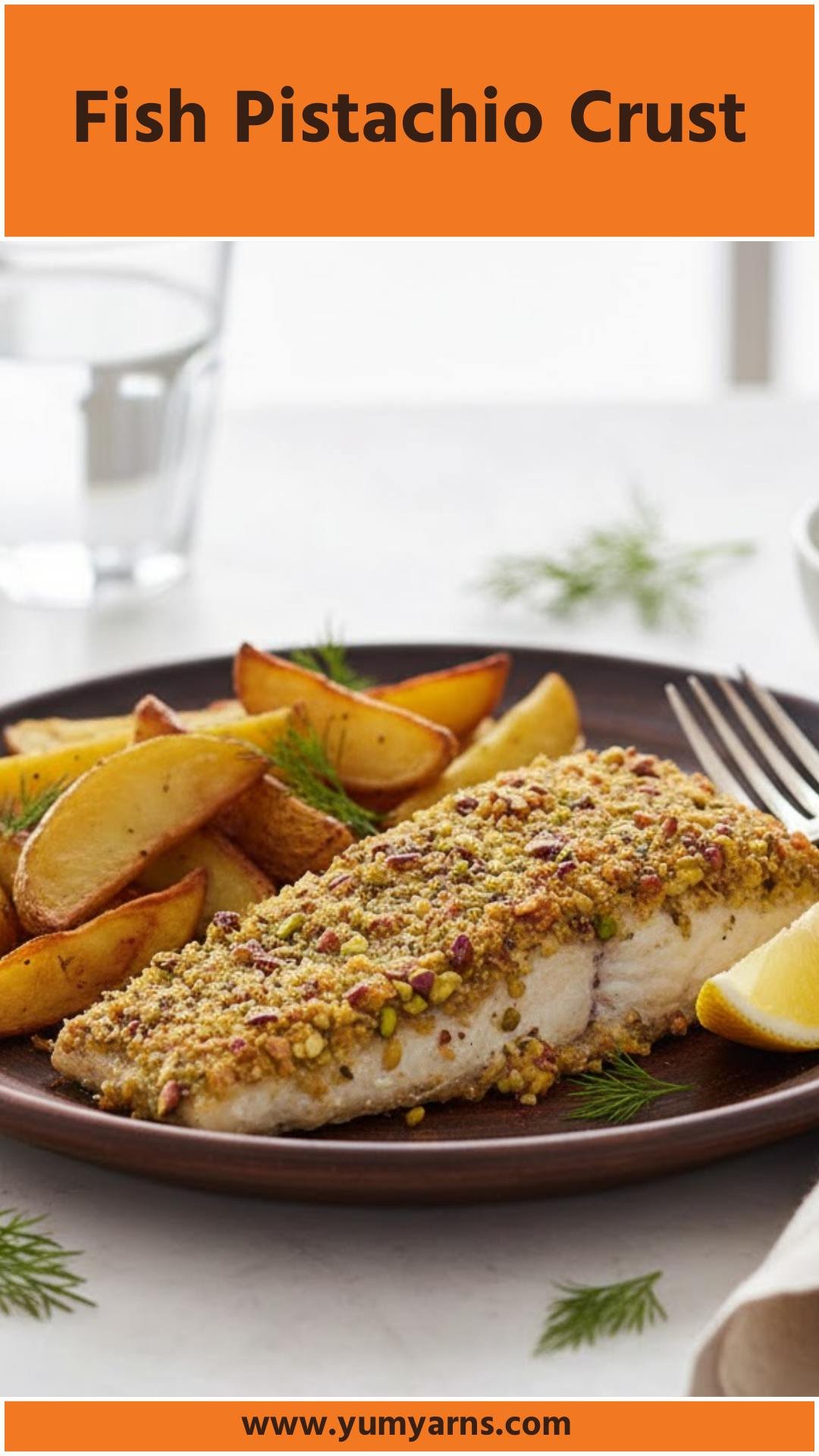
Fish Pistachio Crust Recipe

Filled Hamburger

Filled Burger

Fish Pistachio Crust – Yam Yurns

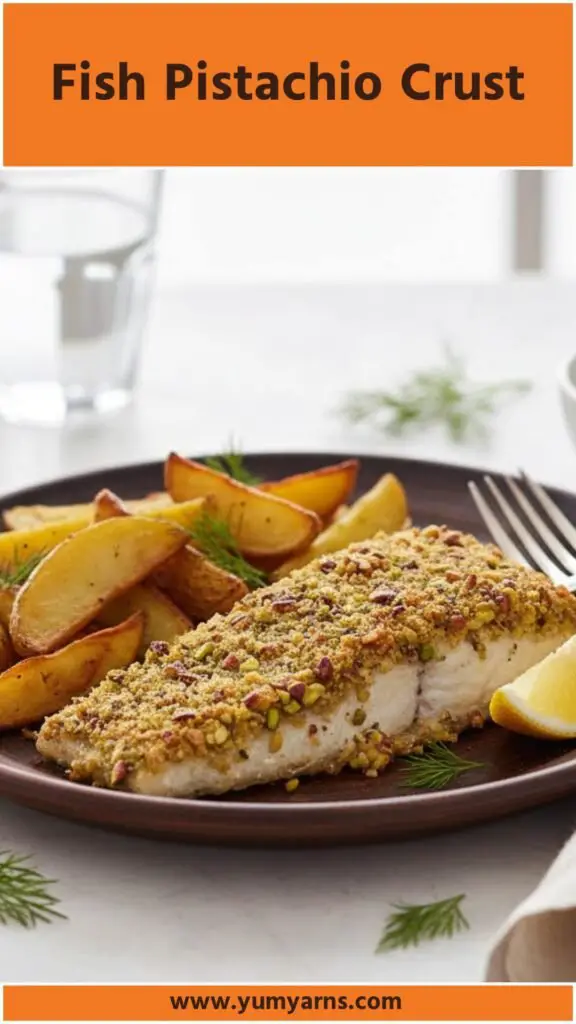
Fish Pistachio Crust

You know those nights when you want something fancy without all the fuss? This Fish Pistachio Crust is my go-to! I usually whip it up when I’m having friends over or just treating myself. It pairs beautifully with a bright salad, some grilled veggies, or even a creamy risotto. I love that it looks like I spent hours in the kitchen when, in fact, it comes together in no time at all!

Fish Pistachio Crust

Let’s get straight to it: Fish can be delightful and oh-so-satisfying! When you add a pistachio crust, it turns something simple into something spectacular. This dish not only brings a lovely crunch but also celebrates great flavors without being overwhelming. Trust me, once you try this, you’ll want to make it again and again.

You Might Also Like These Recipes!

Filled Hamburger

Filled Burger

Fat Chowder Recipe

What is Fish Pistachio Crust?

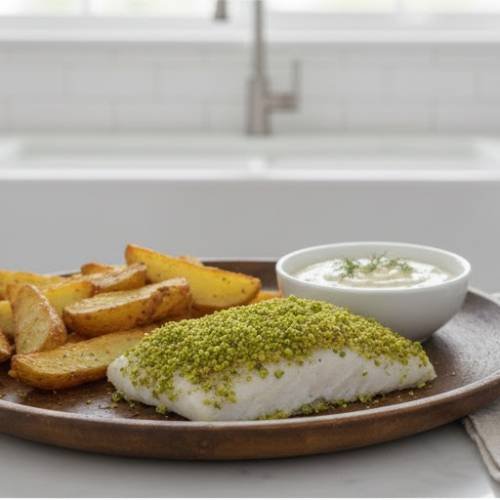
Fish Pistachio Crust is a delightful baked fish dish where the fish fillets are topped with a crunchy and flavorful mixture made primarily of pistachios, herbs, and seasonings. It’s effortlessly elegant and adds a sophisticated twist to your regular fish dishes. The combination of textures from the crust and the flaky fish creates a mouth-watering experience that’s elevated but still easy enough for a casual weeknight dinner.

Why You’ll Love this Fish Pistachio Crust?

What’s not to love? Besides being easy to make, it’s also incredibly versatile! You can switch out the types of fish, add different herbs, or serve it with your favorite sides. The pistachio crust brings a delightful crunch and nutty flavor that pairs beautifully with fresh fish. Plus, it’s packed with nutrients, making it a healthy yet satisfying option for dinner.

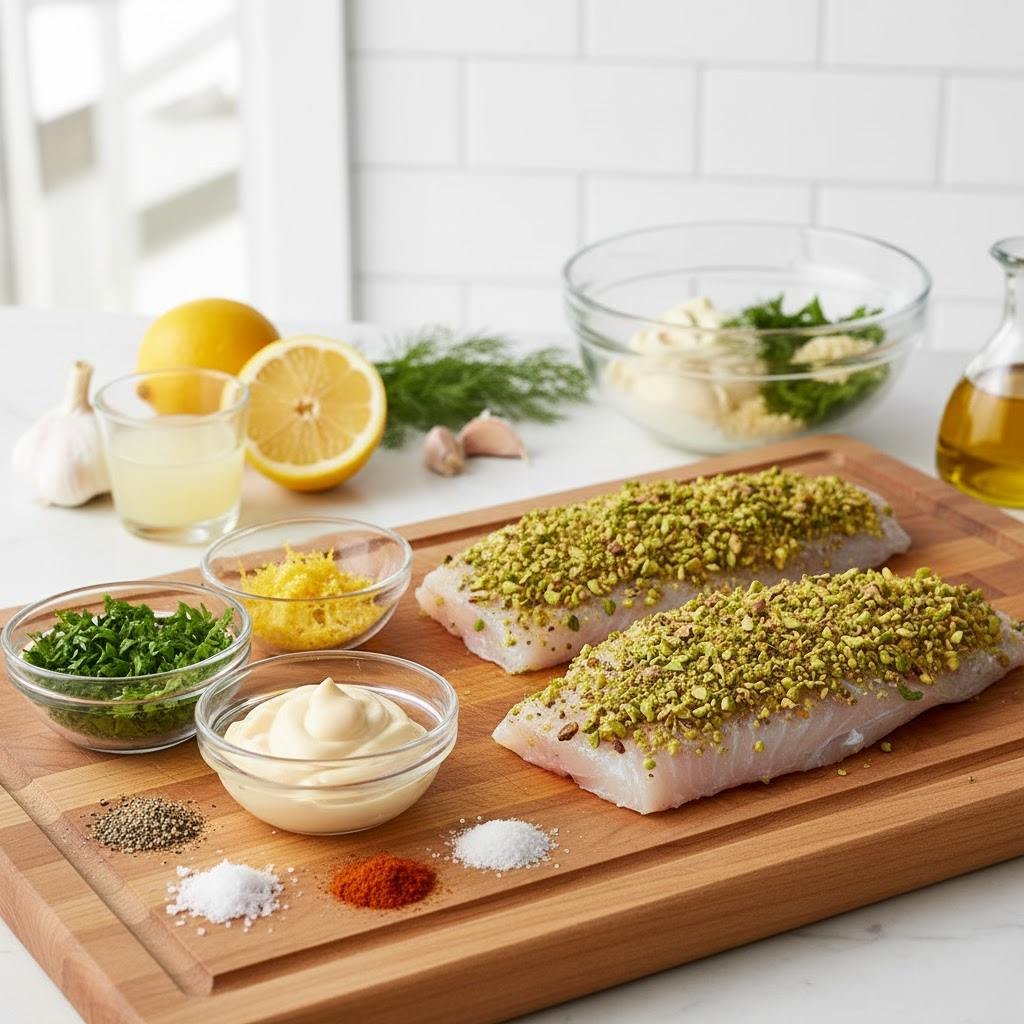
The Ingredients

The Ingredients

You’ll need just a handful of ingredients to whip up this dish, many of which you might already have on hand. Here’s what you’ll need:

– 1 tablespoon olive oil

– 1/3 cup shelled pistachios

– Zest of 1 small lemon (about 2 teaspoons)

– 2 tablespoons freshly chopped parsley

– Salt and freshly cracked black pepper, to taste

– 2 fillets (6-8 ounces each) of white fish, such as tilapia, sole, catfish, or barramundi

– 2 tablespoons mayonnaise

– 1 teaspoon Dijon mustard

For the Lemon Dill Aioli:

– 1/2 cup mayonnaise

– 2 tablespoons fresh dill, chopped

– Juice of 1 small lemon

– 2 cloves garlic, minced

– 1/2 teaspoon smoked paprika

Feel free to play with the ingredients you’re in the mood for; cooking is all about personalization!

How to Make Fish Pistachio Crust?

Bringing this dish together is easy! The steps flow naturally, and you’ll have a gourmet meal in just about half an hour. Let’s dive into the preparation.

Step-by-Step Directions

Step 1: Preheat the Oven

Step 1: Preheat the Oven

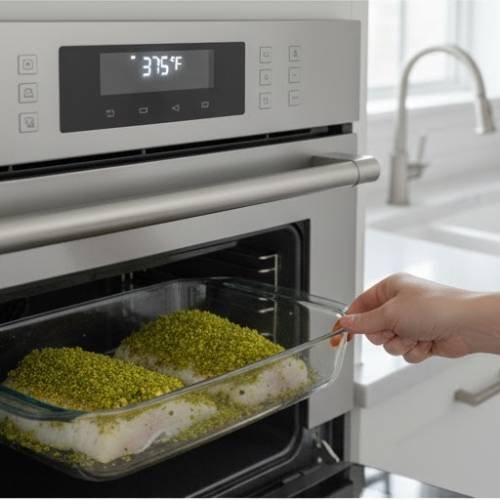
Preheat your oven to 375 degrees Fahrenheit. This ensures that your fish will bake evenly and perfectly. While the oven is warming up, you can get everything else ready.

Step 2: Get Your Baking Dish Ready

Step 2: Get Your Baking Dish Ready

Take a baking dish and lightly brush it with olive oil. This will help prevent the fish from sticking and add just the right amount of flavor as it cooks.

Step 3: Prepare the Pistachios

Step 3: Prepare the Pistachios

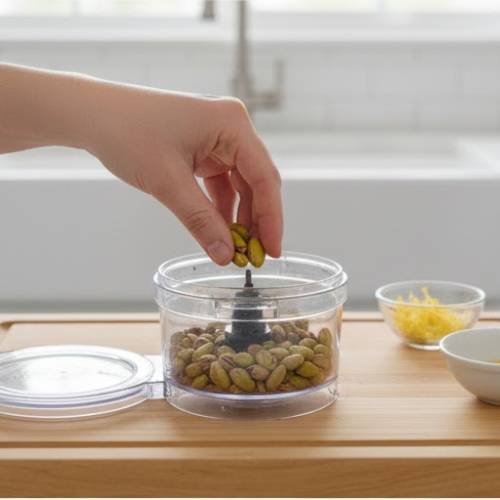
In a mini food processor, toss in the shelled pistachios. Pulse them until they’re coarsely ground. You want texture here, not a fine powder! If you don’t have a food processor, a sturdy plastic bag and a rolling pin will do the trick.

Step 4: Mix the Crust Ingredients

Step 4: Mix the Crust Ingredients

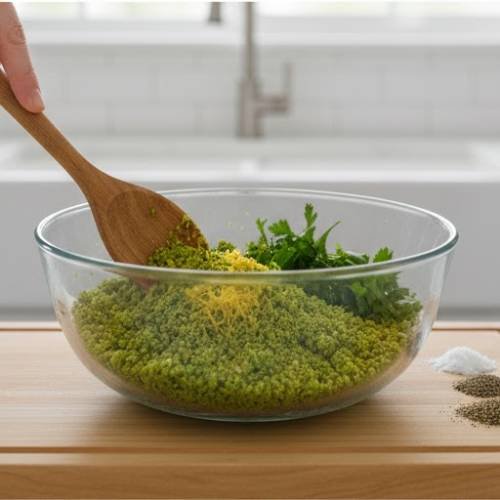
In a mixing bowl, combine the ground pistachios with the lemon zest and chopped parsley. Season this mixture with salt and freshly cracked black pepper to taste. If your pistachios are salted, be cautious and taste as you go!

Step 5: Prepare the Fish

Step 5: Prepare the Fish

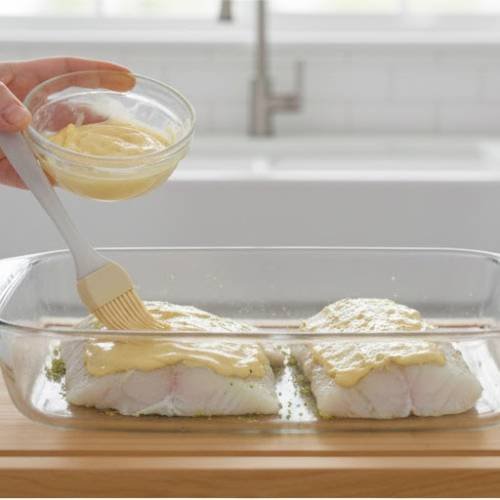
Place your chosen fish fillets into the prepared baking dish. Take the mayonnaise and mix in the Dijon mustard until well combined. Brush the top of each fillet generously with the mayonnaise mixture. This not only helps the crust stick but also adds creaminess to each bite.

Step 6: Top with Pistachio Mixture

Step 6: Top with Pistachio Mixture

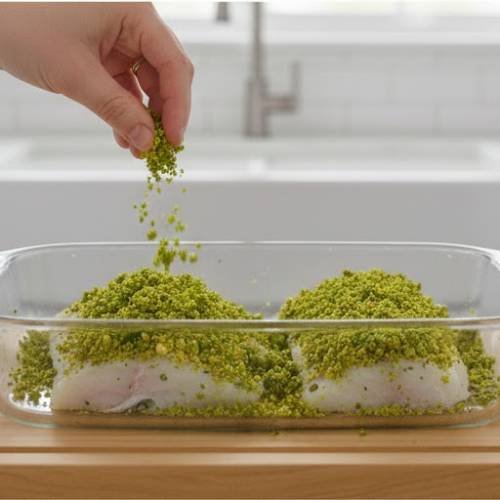
Evenly sprinkle the pistachio mixture over the top of each piece of fish. Be generous; you want to ensure every morsel is packed with flavor!

Step 7: Bake the Fish

Step 7: Bake the Fish

Pop the baking dish into your preheated oven and bake for 12 to 15 minutes. Cooking times may vary based on the thickness of your fillets. You’ll know it’s done when the fish flakes easily with a fork.

Step 8: Make the Lemon Dill Aioli

Step 8: Make the Lemon Dill Aioli

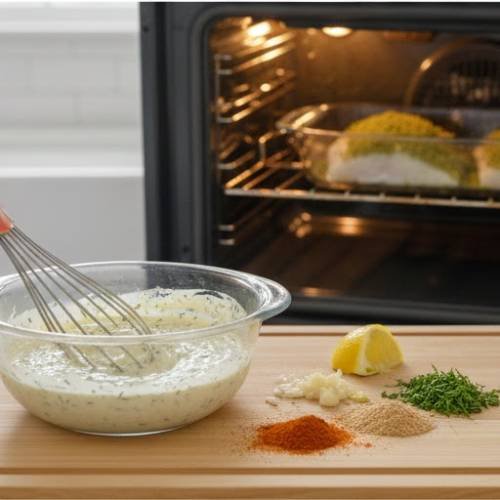
While the fish is baking, whisk together all the aioli ingredients in a small bowl: mayonnaise, chopped dill, lemon juice, minced garlic, and smoked paprika. This is your final touch that adds a creamy, zesty compliment to the dish.

Step 9: Serve

Step 9: Serve

Once the fish is done baking, pull it out of the oven, let it rest for a couple of minutes, and then serve it up with a dollop of your lemon dill aioli on the side.

Tips & Tricks

Experiment with Fish: This recipe works beautifully with different fish varieties, so don’t hesitate to try what you have on hand or enjoy best.

Pistachio Substitutes: If you’re not a fan of pistachios, try walnuts or almonds for a similar crunch.

Dress It Up: Add cherry tomatoes or thinly sliced red onions for a little extra color and freshness right on the dish.

Make Ahead: You can prepare the pistachio crust ahead of time and keep it in the fridge until you’re ready to bake.

Serve with Sides: Pairing this dish with a fresh salad or roasted veggies elevates it to a full meal.

Can I Store Fish Pistachio Crust?

Absolutely! If you have leftovers, store them in an airtight container in the fridge for up to 3 days. To reheat, I recommend placing it back in the oven to maintain that delightful crust. Avoid the microwave if you can; it tends to get a little soggy.

Nutrition Information

This dish is not only flavorful but also packs a nutritional punch. Each serving provides lean protein from the fish, healthy fats from the pistachios and olive oil, and a good dose of vitamins from the fresh herbs. The approximate nutritional breakdown is as follows (per serving):

– Calories: 450

– Protein: 30g

– Carbohydrates: 10g

– Fat: 32g

What Can I Serve with Fish Pistachio Crust?

1. Roasted Vegetables: Brighten up your plate with seasonal veggies tossed in olive oil, salt, and pepper and roasted until tender.

2. Quinoa Salad: A light and refreshing quinoa salad adds texture and pairs wonderfully with the fish.

3. Garlic Mashed Potatoes: Creamy mashed potatoes are a comforting side that complements the crunch of the fish nicely.

4. Couscous with Herbs: Fluffy couscous with fresh herbs can provide an aromatic touch that pairs well with the flavors of the dish.

5. Green Salad: A simple salad with mixed greens, cherry tomatoes, and a lemon vinaigrette offers a zesty contrast.

What Other Substitutes Can I Use in Fish Pistachio Crust?

1. Nuts: Swap pistachios for pecans or hazelnuts for a unique twist.

2. Fish Types: Use salmon or cod if you prefer a richer, heartier taste.

3. Mayonnaise Alternatives: For a healthier option, you can use Greek yogurt instead of mayonnaise.

4. Dill Options: Substitute the fresh dill with tarragon or basil for a different flavor profile.

5. Flavor Additions: Try adding a teaspoon of honey or maple syrup to the aioli for a touch of sweetness.

FAQs

1. Can I use frozen fish?

Yes! Just ensure the fish is thawed completely before following the recipe.

2. Is this recipe gluten-free?

Absolutely! All the ingredients are gluten-free, making it a safe choice for anyone avoiding gluten.

3. Can I make this dairy-free?

Yes, use dairy-free mayonnaise for the aioli, and you’re good to go!

4. How do I know when my fish is done?

The fish should flake easily with a fork, and its internal temperature should reach at least 145 degrees Fahrenheit.

5. Can I grill this instead of baking?

Definitely! Just ensure it’s wrapped in foil to hold moisture, and watch closely to prevent burning.

Conclusion

Fish Pistachio Crust is not just a meal; it’s an event. It brings a touch of class while being easy enough for a weeknight dinner. With its satisfying crunch and flavors that dance on your palate, it’s sure to inspire you to dig deeper into your cooking adventures. So fire up that oven or grill, and get ready to impress! Happy cooking!
You Might Also Like These Latest Recipes!

Filled Hamburger

Filled Burger

Feta Pesto Pasta Recipe

Filled Hamburger Recipe – Yum Yarns

Filled Hamburger Recipe

Nothing screams summer like a backyard barbecue, does it? Set the scene with ample sunshine, laughter echoing in the air, and the tantalizing smell of burgers on the grill. As I stand over the sizzling grill, I can’t help but think about the perfect sides to serve alongside my filled hamburgers – think crunchy coleslaw, seasoned potato wedges, or pasta salad. But let’s be honest; the star of the show is always the burger. These filled hamburgers, bursting with flavor from the bacon and cheese, will steal the spotlight at your next gathering.

Filled Hamburger Recipe

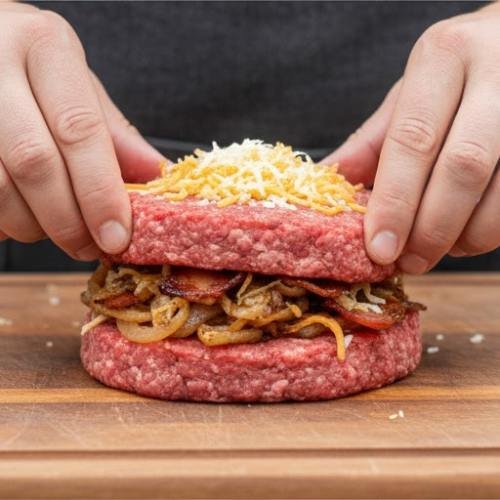
Filled hamburgers are a delightful twist on a classic dish that brings together the familiar comfort of a cheeseburger with an exciting surprise inside. Imagine biting into a juicy patty, only to discover melted cheese and crispy bacon awaiting you in every bite. Trust me; once you try these, traditional burgers will seem a bit bland in comparison. Whether you’re firing up the grill for friends or treating your family to a weeknight feast, this recipe delivers satisfaction and flavor.

You Might Also Like These Recipes!

Filled Burger

Fat Chowder Recipe

Fancy Spaghetti and Meatballs Recipe

What is Filled Hamburger Recipe?

At its core, the filled hamburger is a stuffed burger created by mixing ground beef with bacon and cheddar cheese, resulting in a decadent patty. The stuffing ensures that every bite bursts with flavor and juiciness, taking the burger experience to the next level. It doesn’t just stop there, though; these patties can be topped with your favorite condiments and served on toasted buns to create your ideal burger experience.

What Does It Taste Like?

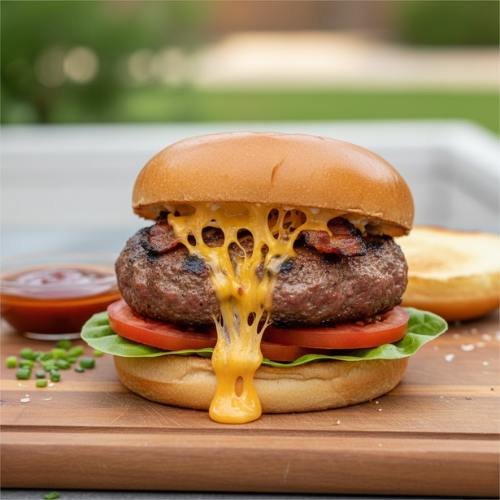
The experience of biting into a filled hamburger is like a flavor explosion. You start with the savory depth of the ground beef, perfectly complemented by the saltiness of the bacon. The melted cheddar cheese oozes out, adding a creamy richness. The addition of your chosen condiments and fresh veggies contributes to a delightful texture. It’s a balance of savory, creamy, and, if you’re feeling adventurous, a little spicy if you add some kick to the sauce.

Why This Recipe Works?

This recipe stands out because it utilizes simple yet high-quality ingredients. The combination of crispy bacon and melting cheese turned inside the patty ensures that each bite is indulgent. Plus, the homemade burger sauce adds a tangy kick that pairs beautifully with the hearty meat. The fact that you can prep the patties ahead of time means these burgers are not just delicious but also practical for busy days.

Ingredients

Ingredients

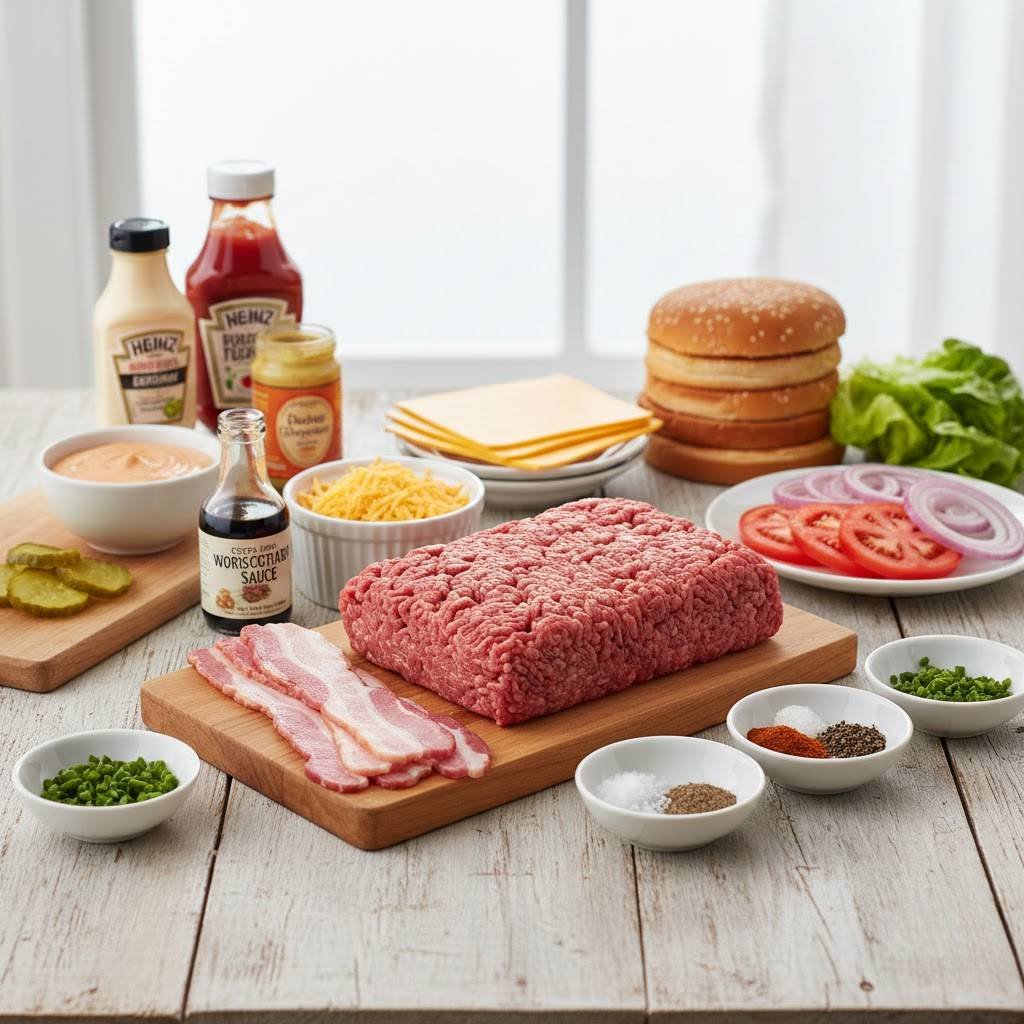
Here’s what you’ll need to get started on making these amazing filled hamburgers:

– 6 slices of thick-cut bacon

– 1 pound of extra lean ground beef (96/4 is my go-to)

– 1/2 cup of shredded sharp cheddar cheese

– 1 tablespoon of Worcestershire sauce

– 1/2 teaspoon of kosher salt

– 1/4 teaspoon of black pepper

– 4 slices of your favorite cheese (optional, I often go for pepper jack for a kick)

– For serving: toasted burger buns, fresh lettuce, juicy tomatoes, sliced red onions, dashes of burger sauce, ketchup, mustard, or mayonnaise

Burger Sauce:

– 1/2 cup mayonnaise

– 2 tablespoons ketchup

– 1 tablespoon sweet pickle relish

– 1 tablespoon Worcestershire sauce

– 1 teaspoon Dijon mustard

– 1/4 teaspoon garlic powder

– 1/4 teaspoon smoked paprika

– Dash of cayenne, if you’re feeling adventurous

– Kosher salt and black pepper, to taste

Feel free to consider adding some minced garlic or finely chopped jalapeños to the burger mix for extra flavor, creating a delicious twist without overwhelming the base flavors.

How to Make Filled Hamburger Recipe?

Making filled hamburgers is straightforward and can be a fun experience, especially if you get the kids involved. Here’s a step-by-step guide to understand the process simply. Let’s dive in!

Step-by-Step Directions

Step 1: Cook the Bacon

Step 1: Cook the Bacon

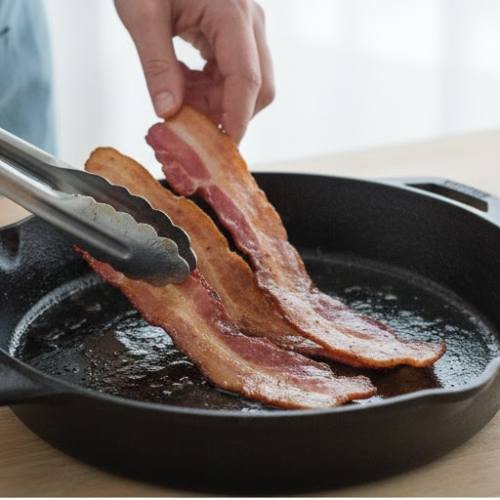
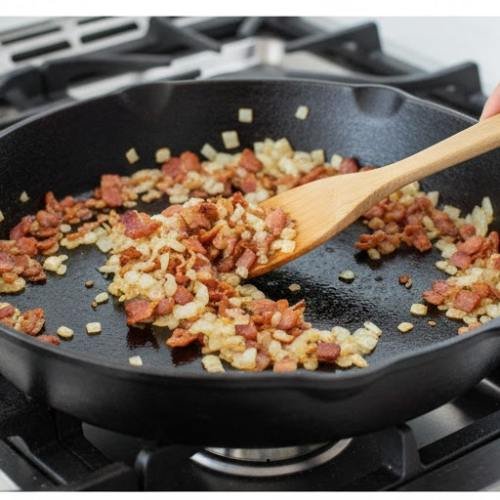
Start by cooking the bacon in a skillet over medium heat. You want it cooked through but not crispy since it will finish cooking within the patties. Once done, remove it from the pan and let it cool slightly before chopping it into small bits.

Step 2: Mix the Ingredients

Step 2: Mix the Ingredients

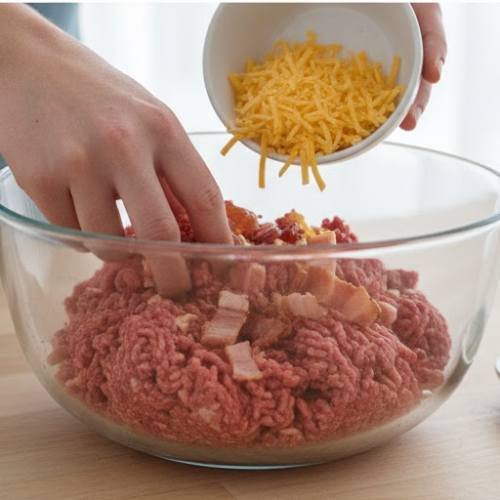
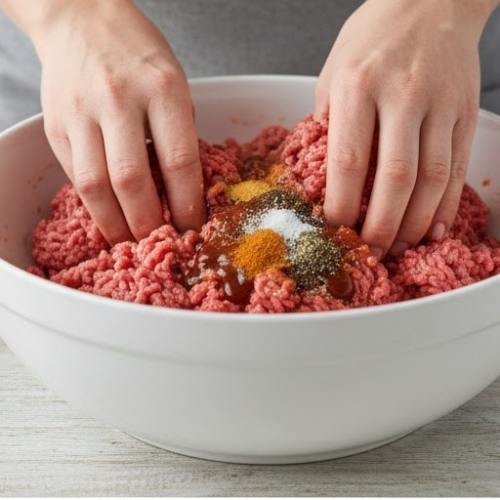
In a large mixing bowl, combine the ground beef, chopped bacon, shredded cheddar cheese, Worcestershire sauce, salt, and black pepper. Make sure to blend everything together gently with your hands – but don’t overdo it! The key is just enough mixing to spread the ingredients without making the mixture dense.

Step 3: Form the Patties

Step 3: Form the Patties

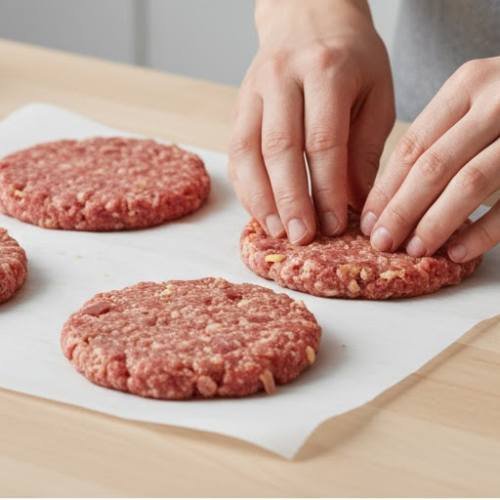
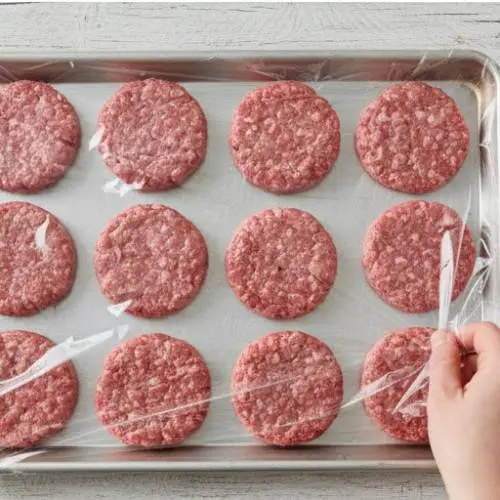
Divide that delightful mixture into four equal portions. You’ll want to pat them into burger shapes, making sure to form them slightly thinner rather than thick. This is important because they will shrink a bit while cooking, and a thinner patty ensures they cook evenly.

Step 4: Chill the Patties (Optional)

Step 4: Chill the Patties (Optional)

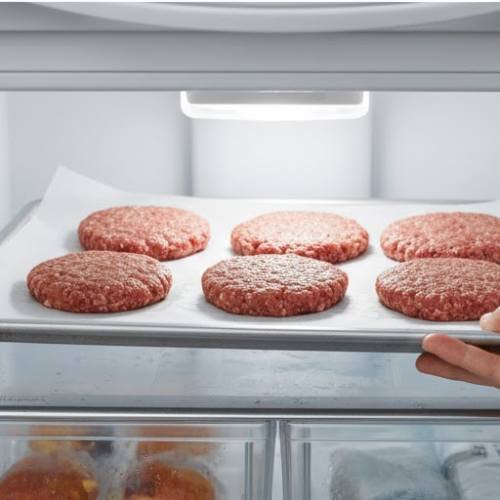
If time allows, cover and refrigerate the formed patties for about an hour. This step is helpful in making sure your burgers keep their shape while grilling. Plus, it allows the flavors to mingle a bit.

Step 5: Prepare the Burger Sauce

Step 5: Prepare the Burger Sauce

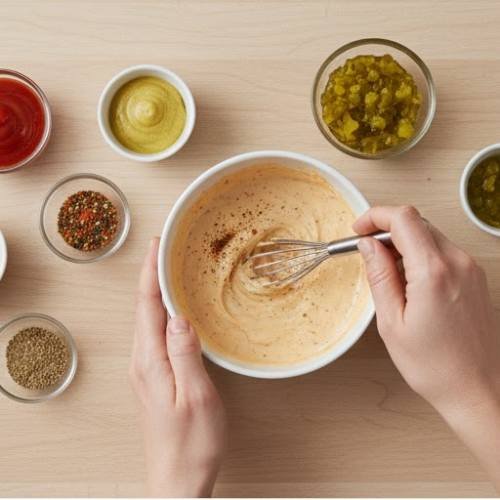
While the patties chill, you can easily whip up the burger sauce. In a small bowl, stir together mayo, ketchup, sweet pickle relish, Worcestershire sauce, Dijon mustard, garlic powder, smoked paprika, and a dash of cayenne (only if you want some heat). Season with salt and pepper to your preference. Store the sauce in the fridge until you’re ready to assemble the burgers.

Step 6: Prep Your Toppings

Step 6: Prep Your Toppings

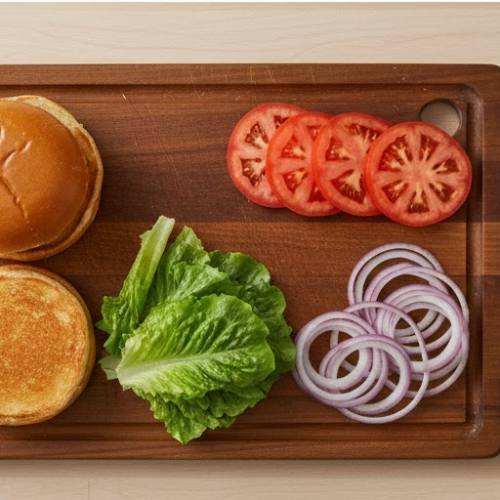
While everything is chilling, get your toppings ready. Slice the tomatoes, tear off some crisp lettuce, and slice the onions. Just a little bit of prep work makes a world of difference when it comes time to serve.

Step 7: Grill Time!

Step 7: Grill Time!

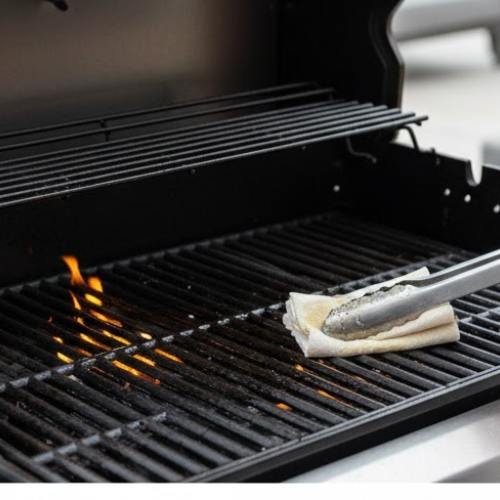
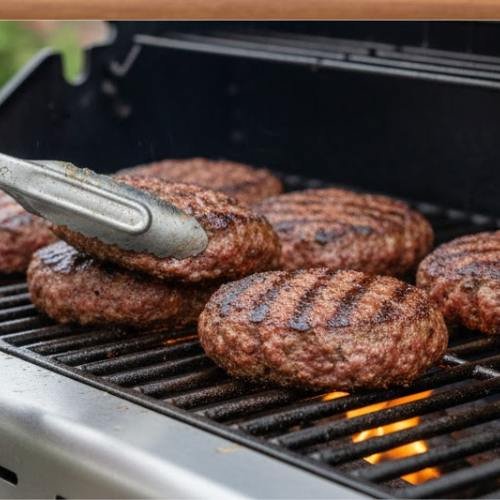
Take your chilled patties and place them onto a preheated grill or grill pan. Cook them for about 3 minutes on one side before flipping them over. Cook for another 3 minutes, checking that the internal temperature hits 160°F. If you’re adding extra cheese slices to melt on top, do this right after you flip the burgers, allowing about 2 minutes before covering them to let the cheese melt.

Step 8: Assemble Your Burger

Step 8: Assemble Your Burger

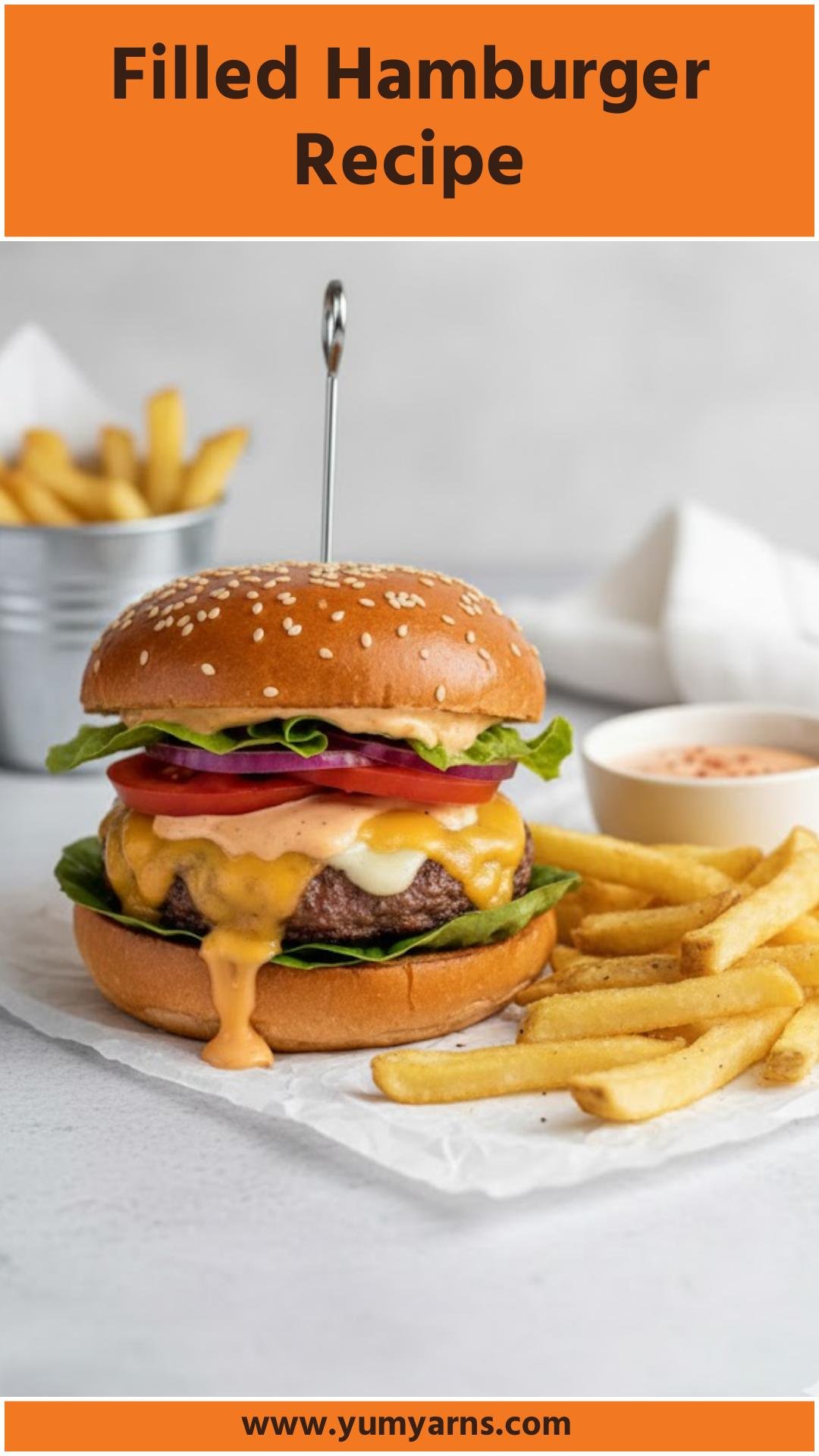
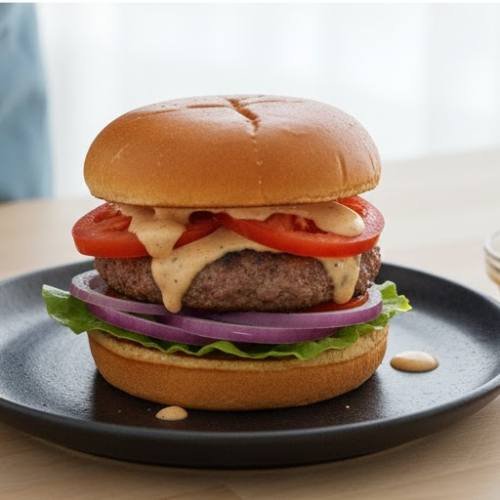
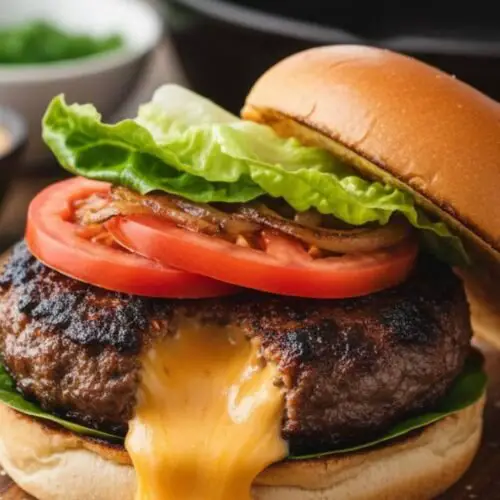
Now that your patties are perfectly cooked, it’s time to build your masterpiece. Serve them on toasted buns and pile on the fresh toppings: lettuce, tomatoes, onions, and that zesty burger sauce, or any condiments you like.

Step 9: Enjoy!

Step 9: Enjoy!

Dig in! These filled hamburgers are perfect for a summer gathering, and they are sure to be a hit with everyone.

Notes

Quality Meat: Use high-quality meat for better flavor. Leaner beef reduces grease but can taste less rich.

Stray from Staleness: Variate toppings by switching up vegetables or sauces according to personal preferences.

Temperature Matters: Keep an eye on doneness with a meat thermometer for food safety.

Keep It Juicy: Avoid over-mixing to ensure your patties are juicy and tender.

Rest Time: Let the cooked burgers rest for a few minutes before serving to lock in moisture.

Storage Tips

These filled hamburgers are best enjoyed fresh but can be stored for up to three days in the fridge. Place the patties in an airtight container after fully cooling down. If you have leftover burger sauce, store it separately in the fridge for up to a week. You can also freeze uncooked patties for up to two months. Just make sure to wrap them individually in plastic wrap for easy grilling later.

Nutrition Information

Each filled hamburger contains approximately 520 calories, rich in protein from the beef and cheese, as well as healthy fats from the bacon. The homemade burger sauce adds flavor without unnecessary preservatives. For a balanced meal, pair your burger with plenty of veggies on the side.

Sides for Filled Hamburger Recipe

1. Crunchy Coleslaw: A creamy coleslaw pairs wonderfully with the richness of the burgers, cutting through the flavors beautifully.

2. Sweet Potato Fries: The sweetness of these fry contrasts nicely with the savory flavors of the burger while offering extra nutrients.

3. Grilled Corn on the Cob: Fun to eat and brings a summer vibe to your table. Slather with a bit of butter, and you’re golden!

4. Potato Salad: A classic option that’s always a crowd-pleaser; add in mustard or bacon for a delicious twist.

5. Garden Salad: A simple mixed salad with your favorite greens and vinaigrette adds freshness and balance to the meal.

What are some alternative choices to the ingredients in case they are not in your pantry?

1. Ground Turkey: Swap the ground beef for ground turkey for a leaner option.

2. Sriracha in Sauce: If out of cayenne, add Sriracha or your favorite hot sauce for spice.

3. Dijon Mustard: If you don’t have Dijon on hand, yellow mustard works fine.

4. Gouda Cheese: Try gouda or mozzarella instead of cheddar for a creamy alternative.

5. Ranch Dressing: Use ranch dressing in place of the sauce for a different flavor twist.

Filled Hamburger Recipe

Tina Cooper
Filled hamburgers are a delightful twist on a classic dish that brings together the familiar comfort of a cheeseburger with an exciting surprise inside. Imagine biting into a juicy patty, only to discover melted cheese and crispy bacon awaiting you in every bite. Trust me; once you try these, traditional burgers will seem a bit bland in comparison. Whether you’re firing up the grill for friends or treating your family to a weeknight feast, this recipe delivers satisfaction and flavor.
Prep Time 20 minutes
Cook Time 20 minutes
Course Main Course
Cuisine American
Servings 4
Calories 520 kcal

Equipment

  • Grill or grill pan
  • Mixing bowl
  • Knife
  • Cutting board

Ingredients
  

  • Here’s what you’ll need to get started on making these amazing filled hamburgers:
  • – 6 slices of thick-cut bacon
  • – 1 pound of extra lean ground beef 96/4 is my go-to
  • – 1/2 cup of shredded sharp cheddar cheese
  • – 1 tablespoon of Worcestershire sauce
  • – 1/2 teaspoon of kosher salt
  • – 1/4 teaspoon of black pepper
  • – 4 slices of your favorite cheese optional, I often go for pepper jack for a kick
  • – For serving: toasted burger buns fresh lettuce, juicy tomatoes, sliced red onions, dashes of burger sauce, ketchup, mustard, or mayonnaise

– Burger Sauce:

  • – 1/2 cup mayonnaise
  • – 2 tablespoons ketchup
  • – 1 tablespoon sweet pickle relish
  • – 1 tablespoon Worcestershire sauce
  • – 1 teaspoon Dijon mustard
  • – 1/4 teaspoon garlic powder
  • – 1/4 teaspoon smoked paprika
  • – Dash of cayenne if you’re feeling adventurous
  • – Kosher salt and black pepper to taste
  • Feel free to consider adding some minced garlic or finely chopped jalapeños to the burger mix for extra flavor creating a delicious twist without overwhelming the base flavors.

Instructions
 

Step 1: Cook the Bacon

  • Start by cooking the bacon in a skillet over medium heat. You want it cooked through but not crispy since it will finish cooking within the patties. Once done, remove it from the pan and let it cool slightly before chopping it into small bits.

Step 2: Mix the Ingredients

  • In a large mixing bowl, combine the ground beef, chopped bacon, shredded cheddar cheese, Worcestershire sauce, salt, and black pepper. Make sure to blend everything together gently with your hands – but don’t overdo it! The key is just enough mixing to spread the ingredients without making the mixture dense.

Step 3: Form the Patties

  • Divide that delightful mixture into four equal portions. You’ll want to pat them into burger shapes, making sure to form them slightly thinner rather than thick. This is important because they will shrink a bit while cooking, and a thinner patty ensures they cook evenly.

Step 4: Chill the Patties (Optional)

  • If time allows, cover and refrigerate the formed patties for about an hour. This step is helpful in making sure your burgers keep their shape while grilling. Plus, it allows the flavors to mingle a bit.

Step 5: Prepare the Burger Sauce

  • While the patties chill, you can easily whip up the burger sauce. In a small bowl, stir together mayo, ketchup, sweet pickle relish, Worcestershire sauce, Dijon mustard, garlic powder, smoked paprika, and a dash of cayenne (only if you want some heat). Season with salt and pepper to your preference. Store the sauce in the fridge until you’re ready to assemble the burgers.

Step 6: Prep Your Toppings

  • While everything is chilling, get your toppings ready. Slice the tomatoes, tear off some crisp lettuce, and slice the onions. Just a little bit of prep work makes a world of difference when it comes time to serve.

Step 7: Grill Time!

  • Take your chilled patties and place them onto a preheated grill or grill pan. Cook them for about 3 minutes on one side before flipping them over. Cook for another 3 minutes, checking that the internal temperature hits 160°F. If you’re adding extra cheese slices to melt on top, do this right after you flip the burgers, allowing about 2 minutes before covering them to let the cheese melt.

Step 8: Assemble Your Burger

  • Now that your patties are perfectly cooked, it’s time to build your masterpiece. Serve them on toasted buns and pile on the fresh toppings: lettuce, tomatoes, onions, and that zesty burger sauce, or any condiments you like.

Step 9: Enjoy!

  • Dig in! These filled hamburgers are perfect for a summer gathering, and they are sure to be a hit with everyone.

Notes

Quality Meat: Use high-quality meat for better flavor. Leaner beef reduces grease but can taste less rich.
Stray from Staleness: Variate toppings by switching up vegetables or sauces according to personal preferences.
Temperature Matters: Keep an eye on doneness with a meat thermometer for food safety.
Keep It Juicy: Avoid over-mixing to ensure your patties are juicy and tender.
Rest Time: Let the cooked burgers rest for a few minutes before serving to lock in moisture.

Nutrition

Calories: 520kcal
Keyword Filled Hamburger Recipe
Tried this recipe?Let us know how it was!

FAQs

Q1: Can I grill these burgers?

A1: Absolutely! These burgers are perfect for grilling. Just ensure you preheat your grill for even cooking.

Q2: What can I use if I’m out of Worcestershire sauce?

A2: If you’re in a pinch, soy sauce can be a good substitute. It adds a deep flavor, similar to Worcestershire.

Q3: Can I prepare the patties ahead of time?

A3: Yes! You can prepare the patties a day in advance and store them in the refrigerator until you’re ready to grill.

Q4: What if I want a spice kick?

A4: Besides the cayenne in the sauce, consider adding diced jalapeños or a spicy cheese like pepper jack in the burger mix.

Q5: How can I tell when my burgers are done?

A5: Use a meat thermometer to check for 160°F in the center of the patties to ensure they are fully cooked.

Conclusion

Filled hamburgers are a delightful twist on classic summer fare, bringing joy and satisfaction with every mouthwatering bite. Simple, delicious, and filled with flavor, these burgers are easy to make and sure to impress your guests or family. By blending quality ingredients with a bit of creativity, you can make every meal an occasion worth celebrating. So grab your apron, fire up the grill, and let the flavors shine! Let me know how yours turn out; I can’t wait to hear about the delicious bites you create!

You Might Also Like These Latest Recipes!

Filled Burger

Feta Pesto Pasta Recipe

Fat Chowder Recipe

Filled Burger Recipe – Yam Yurns

Filled Burger Recipe

When I think of summer weekends, the first thing that comes to mind is the sweet sound of cracking burgers sizzling on the grill. Add some crispy fries or a refreshing pasta salad beside them, and you’re in for a treat. I’ll never say no to a classic burger, but filled burgers are next-level goodness. With a juicy core of melted cheese, smoky bacon, and a little zing from BBQ sauce, you can’t help but take that next bite. These are perfect for backyard gatherings, pool parties, or even a laid-back weeknight dinner.

Filled Burger Recipe

Filled burgers are not your average patties. These delightful creations take a simple burger and pack it full of flavor. Imagine biting into a gooey interior stuffed with bacon, cheese, and caramelized onions—all encased in a perfectly grilled beef patty. If you are like me, who enjoys making burgers that have that extra something, this filled burger recipe will soon find its way into your regular cooking rotation.

You Might Also Like These Recipes!

Fat Chowder Recipe

Fancy Spaghetti and Meatballs Recipe

Fajita Shredded Chicken Recipe

What is a Filled Burger Recipe?

A filled burger recipe transforms the traditional hamburger into something extraordinary by incorporating a stuffing within the beef patty. This technique allows you to enjoy flavors that meld seamlessly as they cook. Typically, the stuffing can include a mix of ingredients like cheese and cooked meats, giving the burger both a juicy core and a savory outer layer. You get the satisfaction of a classic burger, combined with fun new flavors.

What is the Flavor Profile of This Dish?

The flavor profile of filled burgers is a delightful medley. Imagine the rich, savory notes of beef enhanced by the crispness and smokiness of bacon, along with the creamy, melty texture of cheese. The barbecue sauce adds a touch of sweetness and tang that balances everything beautifully. Even if you don’t typically like filling in your burgers, this combination will likely convert you.

Why You’ll Love This Dish

There are countless reasons to love filled burgers. First, they are irresistibly juicy, and the flavor combinations are endless. Second, they’re customizable—adjust the fillings to suit your taste buds, whether you prefer classic cheddar or something more adventurous like pepper jack. They also make an impressive statement at gatherings, impressing your guests with little extra effort on your part. Once you experience the deliciousness, you’ll want to make them regularly!

The Ingredients

The Ingredients

To make these filled burgers, here’s what you’ll need:

– 3 pounds ground beef

– ½ pound of smoky bacon, chopped into small bits

– ½ teaspoon garlic powder

– ¾ cup shredded sharp cheddar cheese

– 1 medium onion, finely diced

– 3 tablespoons smoky barbecue sauce

– ½ teaspoon freshly ground black pepper

– ¼ teaspoon salt

– 1 tablespoon Worcestershire sauce (adds extra depth)

– 6 hamburger buns, split

These ingredients work together to create a flavor explosion that’s completely satisfying!

How to Make Filled Burger Recipe?

Let’s get into the fun part—making the filled burgers! You’ll find that the process is straightforward, and in no time you’ll have delicious burgers ready to serve. Grab your emphasis on using high-quality ingredients, as that makes all the difference in flavor.

Step-by-step Directions

Step 1: Prepare the Beef Mixture

Step 1: Prepare the Beef Mixture

Start by grabbing a large mixing bowl. Combine the ground beef, barbecue sauce, Worcestershire sauce, garlic powder, black pepper, and salt. Using your hands, get in there and mix everything together until just combined. It’s best if you don’t overwork the meat to keep those patties tender.

Step 2: Form the Patties

Step 2: Form the Patties

Now comes the fun part! Scoop out a handful of the beef mixture—about ¼ pound—and form it into flat patties. You’ll want to make about 12 of these. Place them on a cookie sheet lined with plastic wrap, ensuring they’re not touching. Cover them up and let them chill in the refrigerator for about 20 minutes. This helps them hold together better when cooking.

Step 3: Cook the Bacon and Onions

Step 3: Cook the Bacon and Onions

While those patties are chilling, it’s time for bacon! Heat a large skillet over medium-high heat, then toss in the chopped bacon. Cook until the pieces are crispy and browned, which should take around five minutes. Use a slotted spoon to remove the bacon and set it aside on paper towels to drain off the excess grease. In the same skillet, reduce the heat to medium, add the diced onions to the bacon drippings, and sauté until soft and starting to caramelize, about five minutes. Combine the bacon and onions in a bowl for the filling later.

Step 4: Preheat the Grill

Step 4: Preheat the Grill

Fire up your outdoor grill, setting it to medium heat while you prepare to fill those patties. Lightly oil the grill grate to prevent the burgers from sticking, ensuring a smooth cooking process.

Step 5: Assemble the Stuffed Patties

Step 5: Assemble the Stuffed Patties

Once the patties have chilled, take out those six patties from the cookie sheet to start the assembly. For each of these, apply roughly 1½ tablespoons of the bacon-onion mixture and then sprinkle shredded cheese on top. Grab a second patty and place it atop the stuffed one. Carefully press the edges together to seal in that delicious stuffing; you don’t want it leaking out while grilling.

Step 6: Grill the Filled Burgers

Step 6: Grill the Filled Burgers

Now for the grilling! Place the filled patties on the preheated grill. Allow them to cook for about 4 to 5 minutes on each side. Keep an eye on them; you want the internal temperature to reach at least 160 degrees F (70 degrees C). A meat thermometer will be your best friend here.

Step 7: Serve and Enjoy

Step 7: Serve and Enjoy

Once those patties are cooked through, take them off the grill. Place them on hamburger buns and serve with your favorite condiments—think ketchup, mustard, or even a little extra barbecue sauce. Your filled burgers are ready to be devoured!

Tips

Don’t Skip the Chill: Keeping the patties in the fridge before grilling helps them maintain their shape.

Mix and Match Fillings: Get creative with different types of cheese or even add jalapeños for some heat.

Use Leaner Meat: Opt for 80/20 ground beef for juicy patties without being too greasy.

Keep Your Grill Clean: Oil your grilling surface to prevent sticking.

Watch Them Closely: These can cook quickly, so check the temperature to avoid overcooking.

How Can You Store This Filled Burger Recipe?

If you find yourself with any leftovers, you can store these burgers in an airtight container in the refrigerator for up to 3-4 days. When you’re ready to enjoy them again, simply reheat on the grill or in the oven until warmed through. If you want to freeze them, wrap each filled burger tightly in plastic wrap and then aluminum foil. They’ll keep well for about 2-3 months in the freezer.

If Some of the Ingredients Are Not Available in Your Pantry, What Are Some Alternative Choices You Can Consider?

Ground Beef: Can be substituted with ground turkey or chicken for a leaner option. Just be mindful that poultry has a different moisture content.

Bacon: Try using turkey bacon or pancetta for a different taste profile without going entirely meatless.

Cheddar Cheese: Swap with any favorite cheese like pepper jack, gouda, or even feta for added flavor.

Barbecue Sauce: You could use teriyaki sauce, Sriracha, or a spicy mustard to switch it up.

Onions: If you’re not a fan of onions, feel free to use shallots or green onions for a milder flavor.

Nutrition Information

Filled burgers pack a punch in both flavor and nutrition. Each burger contains approximately 510 calories, along with protein and a satisfying profile of fats. They provide essential nutrients from the beef and any vegetables you decide to add. While they can be indulgent, they are also a hearty meal that can keep you fueled.

Serving Suggestions

French Fries: Crispy fries always pair well with burgers. You could also try sweet potato fries for a slight twist.

Coleslaw: A refreshing coleslaw adds texture and balance to the richness of the burger.

Grilled Vegetables: Carrots, zucchini, and bell peppers can be grilled alongside for a colorful, nutritious side.

Potato Salad: A classic potato salad adds extra heartiness and is perfect for summer cookouts.

Corn on the Cob: Nothing says summer like sweet corn on the grill—an easy and delicious accompaniment.

What Other Substitutes Can I Use in Filled Burger Recipe?

Ground Meat: Use lamb or pork for a unique flavor twist.

Barbecue Sauce: Consider homemade sauces or salsas—mixing sweet and savory creates a fun blend!

Bacon: Swap for shredded chicken for a lighter filling.

Cheese Types: Experiment with blue cheese or mozzarella for different textural experiences.

Bun Options: Try lettuce wraps for a low-carb alternative or whole-grain buns for extra fiber.

Filled Burger Recipe

Filled Burger Recipe

Tina Cooper
Filled burgers are not your average patties. These delightful creations take a simple burger and pack it full of flavor. Imagine biting into a gooey interior stuffed with bacon, cheese, and caramelized onions—all encased in a perfectly grilled beef patty. If you are like me, who enjoys making burgers that have that extra something, this filled burger recipe will soon find its way into your regular cooking rotation.
Prep Time 20 minutes
Cook Time 15 minutes
Course Main Course
Cuisine American
Servings 6
Calories 510 kcal

Equipment

  • Large mixing bowl
  • Skillet
  • grill
  • cookie sheet
  • Plastic wrap

Ingredients
  

  • To make these filled burgers here’s what you’ll need:
  • – 3 pounds ground beef
  • – ½ pound of smoky bacon chopped into small bits
  • – ½ teaspoon garlic powder
  • – ¾ cup shredded sharp cheddar cheese
  • – 1 medium onion finely diced
  • – 3 tablespoons smoky barbecue sauce
  • – ½ teaspoon freshly ground black pepper
  • – ¼ teaspoon salt
  • – 1 tablespoon Worcestershire sauce adds extra depth
  • – 6 hamburger buns split
  • These ingredients work together to create a flavor explosion that’s completely satisfying!

Instructions
 

Step 1: Prepare the Beef Mixture

  • Start by grabbing a large mixing bowl. Combine the ground beef, barbecue sauce, Worcestershire sauce, garlic powder, black pepper, and salt. Using your hands, get in there and mix everything together until just combined. It’s best if you don’t overwork the meat to keep those patties tender.

Step 2: Form the Patties

  • Now comes the fun part! Scoop out a handful of the beef mixture—about ¼ pound—and form it into flat patties. You’ll want to make about 12 of these. Place them on a cookie sheet lined with plastic wrap, ensuring they’re not touching. Cover them up and let them chill in the refrigerator for about 20 minutes. This helps them hold together better when cooking.

Step 3: Cook the Bacon and Onions

  • While those patties are chilling, it’s time for bacon! Heat a large skillet over medium-high heat, then toss in the chopped bacon. Cook until the pieces are crispy and browned, which should take around five minutes. Use a slotted spoon to remove the bacon and set it aside on paper towels to drain off the excess grease. In the same skillet, reduce the heat to medium, add the diced onions to the bacon drippings, and sauté until soft and starting to caramelize, about five minutes. Combine the bacon and onions in a bowl for the filling later.

Step 4: Preheat the Grill

  • Fire up your outdoor grill, setting it to medium heat while you prepare to fill those patties. Lightly oil the grill grate to prevent the burgers from sticking, ensuring a smooth cooking process.

Step 5: Assemble the Stuffed Patties

  • Once the patties have chilled, take out those six patties from the cookie sheet to start the assembly. For each of these, apply roughly 1½ tablespoons of the bacon-onion mixture and then sprinkle shredded cheese on top. Grab a second patty and place it atop the stuffed one. Carefully press the edges together to seal in that delicious stuffing; you don’t want it leaking out while grilling.

Step 6: Grill the Filled Burgers

  • Now for the grilling! Place the filled patties on the preheated grill. Allow them to cook for about 4 to 5 minutes on each side. Keep an eye on them; you want the internal temperature to reach at least 160 degrees F (70 degrees C). A meat thermometer will be your best friend here.

Step 7: Serve and Enjoy

  • Once those patties are cooked through, take them off the grill. Place them on hamburger buns and serve with your favorite condiments—think ketchup, mustard, or even a little extra barbecue sauce. Your filled burgers are ready to be devoured!

Notes

Don’t Skip the Chill: Keeping the patties in the fridge before grilling helps them maintain their shape.
Mix and Match Fillings: Get creative with different types of cheese or even add jalapeños for some heat.
Use Leaner Meat: Opt for 80/20 ground beef for juicy patties without being too greasy.
Keep Your Grill Clean: Oil your grilling surface to prevent sticking.
Watch Them Closely: These can cook quickly, so check the temperature to avoid overcooking.

Nutrition

Calories: 510kcal
Keyword Filled Burger Recipe
Tried this recipe?Let us know how it was!

FAQs

1. Can I prepare the filled burgers in advance?

Absolutely! You can prepare the patties and stuff them. Cover and refrigerate them for up to 24 hours before grilling.

2. What are some good sides to serve with filled burgers?

You can serve them with any of your favorite sides, such as grilled corn, potato salad, or even a simple green salad.

3. Is it possible to make these filled burgers vegetarian?

You can certainly make vegetarian versions by replacing the beef with plant-based crumbles and using toppings like mushrooms and avocado.

4. How do I know when my burgers are cooked through?

Use an instant-read thermometer. You’re looking for an internal temperature of 160°F (70°C) for ground beef.

5. Can I cook these burgers in the oven?

Yes, you can bake them at 375°F for about 20-25 minutes. Flip halfway through for even cooking.

Conclusion

Filled burgers are one of those dishes that might just revolutionize your home cooking. They shake up the traditional hamburger with layers of flavor that make each bite an experience. Packed with melted cheese, smoky bacon, and homemade seasonings, these burgers can easily be customized to fit your taste preferences and dietary needs. Whether you’re firing up the grill for a family gathering or a casual weeknight dinner, this recipe is bound to impress. So grab those buns and get cooking—your taste buds will thank you!

You Might Also Like These Latest Recipes!

Feta Pesto Pasta Recipe

Fat Chowder Recipe

Fancy Spaghetti and Meatballs Recipe

Fat Chowder – Yum Yarns

Fat Chowder

Picture this: a chilly evening, maybe after a playful day outdoors. You walk into the warmth of your kitchen, greeted by the soothing scent of something delicious bubbling away on the stove. What pairs beautifully with my delightful Fat Chowder? A crusty loaf of bread or homemade biscuits to dip into this creamy goodness. Trust me, that bite of warm, fluffy bread scooped into rich chowder is something you’ll reminisce about long after the last spoonful is gone.

Fat Chowder

Fat Chowder is a comforting dish that warms both the body and soul. It’s rich, creamy, and just the right amount of indulgent—all while being surprisingly easy to whip up. With roots in American cuisine, this chowder serves as a perfect meal for those cool nights when all you need is a hearty bowl of goodness. This recipe marries simple ingredients to create something you’ll crave time and again.

You Might Also Like These Recipes!

What is Fat Chowder?

Fat Chowder is a creamy soup that typically features potatoes, sweet corn, and a hint of smokiness from bacon, creating a filling and satisfying dish. It’s not just soup; it’s so much more. Each spoonful delivers creamy textures combined with hearty bites of potatoes and the delightful crunch of bacon. It’s straightforward but incredibly comforting, making it a go-to recipe for busy nights or relaxed weekends.

How Does It Taste Like?

The taste of Fat Chowder can best be described as a luxurious experience. The creaminess envelops your tongue, while the sweetness from the corn perfectly balances the saltiness of the bacon. The potatoes add a hearty feel, while black pepperting the flavor with just a hint of spice. It’s like a warm hug in a bowl.

Why You’ll Love This?

This Fat Chowder is not just any soup; it’s a blend of nostalgia and flavor that makes any meal special. You’ll love how quickly it comes together, and the best part? It’s perfect for make-ahead meals. Whether you’re serving it at a family gathering or enjoying it for a quiet night at home, this dish is bound to make you smile.

The Ingredients

The Ingredients

4 medium potatoes, peeled and diced

½ cup crispy bacon, chopped

1 medium yellow onion, finely chopped

3 cups cream-style corn

2 cups water

2 teaspoons salt (or to taste)

Ground black pepper, to taste

2 cups half-and-half

1 teaspoon garlic powder (for added flavor)

1 tablespoon fresh chives, chopped (for freshness)

These ingredients meld together to create a chowder that’s filled with layers of flavor, ensuring every bite is enjoyable and satisfying.

How to Make Fat Chowder?

Creating Fat Chowder is really a straightforward process, and it begins with gathering your ingredients. The beauty of making chowder is in the simplicity and heartiness of the components. Let’s take it step by step.

Step 1: Gather Your Ingredients

Prepare your workspace by bringing out all your ingredients. A little organization goes a long way here. Chop and dice everything; having everything prepped will make cooking a breeze.

Step 2: Cook the Bacon

Step 2: Cook the Bacon

In a large pot over medium-high heat, add your chopped bacon. Let it sizzle and cook until it’s crisped up nicely—around 5 to 7 minutes. This step is not just about cooking the bacon; it’s about infusing the oil with flavor.

Step 3: Drain and Save Some Grease

Step 3: Drain and Save Some Grease

Once the bacon is cooked to perfection, carefully drain it on a paper towel. Don’t toss the leftover grease just yet! Keep about 2 tablespoons in the pot. This will help in sautéing the next ingredients and give the chowder that smoky taste.

Step 4: Sauté the Potatoes and Onion

Now, toss your diced potatoes and chopped onion into the pot. Stir them around and cook for about 5 minutes. This process softens the onion and begins to cook the potatoes, which enhances their flavor.

Step 5: Add Corn and Water

Next up, pour in the cream-style corn and the 2 cups of water. At this point, season with salt (remember to taste as you go) and pepper. Stir it all together, and bring this mixture up to a boil.

Step 6: Simmer It Down

Once at a boil, reduce the heat to low, cover the pot, and let it simmer. This will allow the flavors to come together beautifully. Stir occasionally, and let it simmer for around 20 minutes until the potatoes are tender.

Step 7: Incorporate the Half-and-Half

While your chowder is simmering, warm the half-and-half in a small saucepan until it starts to just bubble. Remove it from the heat right before it boils (nobody wants curdled cream in their chowder!). Mix the warmed half-and-half into the chowder and give it a nice stir.

Step 8: Serve the Chowder

Your Fat Chowder is ready to be served! Ladle it into bowls, perhaps garnish with a sprinkle of chives, and watch as everyone enjoys.

Tips On Making Fat Chowder

Use Fresh Ingredients: Fresh potatoes and sweet corn truly elevate the flavor.

Bacon Choices Matter: Use high-quality bacon for the best flavor. Thick-cut bacon gives you that delightful crunch and taste.

Cream vs. Half-and-Half: If you want it even creamier, consider using heavy cream instead of half-and-half.

Customize Your Seasonings: Feel free to add more seasonings like thyme or even a dash of cayenne pepper for a little heat.

Heat Control: When simmering, ensure the heat isn’t too high, as you don’t want it to scorch on the bottom.

Storage Tips

This chowder does great in the fridge. Allow it to cool, then transfer it into an airtight container. It will keep well for about 3 to 4 days. You can also freeze it for up to 2 months—just ensure it’s in a freezer-safe container. To reheat, thaw it in the refrigerator overnight, then warm it on the stove, adding a splash of water or extra half-and-half as needed to bring back the consistency.

Nutrition Information

Fat Chowder brings together a variety of nutrients. Each hearty serving contains protein and fiber from the potatoes and corn, while the bacon adds some essential fats. It’s high in calories due to the cream content but can be enjoyed in moderation, especially on those chilly days.

Serving Suggestions

With Crusty Bread: Serve your chowder with slices of crusty bread for dipping.

Topped with Cheese: A sprinkle of shredded cheddar or crumbled feta adds a nice touch and flavor.

With Side Salads: Pair with a refreshing green salad for a complete meal.

Spritz of Lemon Juice: A dash of lemon brightens up the chowder and enhances its flavors.

Garnish with Fresh Herbs: Fresh chives or parsley can elevate the presentation and taste.

What Other Substitutes Can I Use in Fat Chowder?

Quinoa or Rice: For a gluten-free alternative to potatoes, add cooked quinoa or rice.

Vegetable Bros: Swap potatoes for sweet potatoes for a different texture and sweetness.

Vegetarian Option: Replace bacon with smoked paprika for that beloved smoky flavor without meat.

Different Chowder Bases: Use chicken or vegetable broth instead of water for a deeper flavor.

Dairy Alternatives: For a dairy-free version, consider cashew cream or coconut milk in place of half-and-half.

Fat Chowder

Fat Chowder

Tina Cooper
Fat Chowder is a comforting dish that warms both the body and soul. It’s rich, creamy, and just the right amount of indulgent—all while being surprisingly easy to whip up. With roots in American cuisine, this chowder serves as a perfect meal for those cool nights when all you need is a hearty bowl of goodness. This recipe marries simple ingredients to create something you’ll crave time and again.
Prep Time 10 minutes
Cook Time 40 minutes
Course Main Course
Cuisine American
Servings 8
Calories 500 kcal

Equipment

  • Large pot
  • small saucepan
  • wooden spoon
  • Knife
  • Cutting board

Ingredients
  

  • – 4 medium potatoes peeled and diced
  • – ½ cup crispy bacon chopped
  • – 1 medium yellow onion finely chopped
  • – 3 cups cream-style corn
  • – 2 cups water
  • – 2 teaspoons salt or to taste
  • – Ground black pepper to taste
  • – 2 cups half-and-half
  • – 1 teaspoon garlic powder for added flavor
  • – 1 tablespoon fresh chives chopped (for freshness)
  • These ingredients meld together to create a chowder that’s filled with layers of flavor ensuring every bite is enjoyable and satisfying.

Instructions
 

  • Creating Fat Chowder is really a straightforward process, and it begins with gathering your ingredients. The beauty of making chowder is in the simplicity and heartiness of the components. Let’s take it step by step.

Step 1: Gather Your Ingredients

  • Prepare your workspace by bringing out all your ingredients. A little organization goes a long way here. Chop and dice everything; having everything prepped will make cooking a breeze.

Step 2: Cook the Bacon

  • In a large pot over medium-high heat, add your chopped bacon. Let it sizzle and cook until it’s crisped up nicely—around 5 to 7 minutes. This step is not just about cooking the bacon; it’s about infusing the oil with flavor.

Step 3: Drain and Save Some Grease

  • Once the bacon is cooked to perfection, carefully drain it on a paper towel. Don’t toss the leftover grease just yet! Keep about 2 tablespoons in the pot. This will help in sautéing the next ingredients and give the chowder that smoky taste.

Step 4: Sauté the Potatoes and Onion

  • Now, toss your diced potatoes and chopped onion into the pot. Stir them around and cook for about 5 minutes. This process softens the onion and begins to cook the potatoes, which enhances their flavor.

Step 5: Add Corn and Water

  • Next up, pour in the cream-style corn and the 2 cups of water. At this point, season with salt (remember to taste as you go) and pepper. Stir it all together, and bring this mixture up to a boil.

Step 6: Simmer It Down

  • Once at a boil, reduce the heat to low, cover the pot, and let it simmer. This will allow the flavors to come together beautifully. Stir occasionally, and let it simmer for around 20 minutes until the potatoes are tender.

Step 7: Incorporate the Half-and-Half

  • While your chowder is simmering, warm the half-and-half in a small saucepan until it starts to just bubble. Remove it from the heat right before it boils (nobody wants curdled cream in their chowder!). Mix the warmed half-and-half into the chowder and give it a nice stir.

Step 8: Serve the Chowder

  • Your Fat Chowder is ready to be served! Ladle it into bowls, perhaps garnish with a sprinkle of chives, and watch as everyone enjoys.

Notes

Use Fresh Ingredients: Fresh potatoes and sweet corn truly elevate the flavor.
Bacon Choices Matter: Use high-quality bacon for the best flavor. Thick-cut bacon gives you that delightful crunch and taste.
Cream vs. Half-and-Half: If you want it even creamier, consider using heavy cream instead of half-and-half.
Customize Your Seasonings: Feel free to add more seasonings like thyme or even a dash of cayenne pepper for a little heat.
Heat Control: When simmering, ensure the heat isn’t too high, as you don’t want it to scorch on the bottom.

Nutrition

Serving: 8gCalories: 500kcal
Keyword Fat Chowder
Tried this recipe?Let us know how it was!

FAQs

1. Can I make Fat Chowder in advance?

Yes! Fat Chowder can be made ahead of time and stored in the fridge. It even tastes better the next day as the flavors have more time to meld.

2. How can I thicken my chowder?

If you prefer a thicker consistency, consider mashing a portion of the potatoes or adding a slurry made from cornstarch and water.

3. Is Fat Chowder suitable for freezing?

Absolutely! Just be sure to cool it down properly and use a suitable container before freezing.

4. Can I add other vegetables?

Definitely! Feel free to add vegetables like carrots, celery, or even some lentils for extra nutrition.

5. How can I make it spicy?

Add some diced jalapeños or a sprinkle of red pepper flakes while cooking to give it a spicy kick.

Conclusion

Fat Chowder is a fantastic dish that brings comfort and satisfaction all in one bowl. With simple, accessible ingredients and a straightforward cooking process, it’s perfect for both novice cooks and seasoned kitchen warriors. Whether you enjoy it with friends or savor it alone, this chowder will remind you of warm, happy moments around the table. So go ahead, make a big batch, and let the cozy vibes roll in!

You Might Also Like These Latest Recipes!

Fancy Spaghetti and Meatballs – Yum Yarns

Fancy Spaghetti and Meatballs

You know, there’s something about a big bowl of spaghetti and meatballs that just feels like home. Picture this—a chilly evening, friends gathered around the table, and the warmth of a delicious meal filling the air. This fancy spaghetti and meatballs dish is perfect for pairing with a simple green salad and crusty garlic bread. Trust me, those extra touches make all the difference! Not only does it feed the belly, but it also warms the soul. Let’s dive into this comforting, yet sophisticated recipe together, shall we?

Fancy Spaghetti and Meatballs

Fancy spaghetti and meatballs is a delightful twist on the traditional Italian-American dish. This recipe elevates the classic by adding rich flavors, high-quality ingredients, and a touch of love. When I think about spaghetti and meatballs, it brings back memories of family gatherings, cozy dinners, and heartfelt conversations. It’s one of those recipes that never fails to impress, making it perfect for dinner parties or just a cozy night in—because who doesn’t want to feast on something delicious?

You Might Also Like These Recipes!

What is Fancy Spaghetti and Meatballs?

Simply put, fancy spaghetti and meatballs takes the familiar pasta dish we all know and transforms it into something special. It features perfectly seasoned, homemade meatballs made from a blend of beef and sausage, swimming in a rich marinara sauce. When served over al dente spaghetti and topped with fresh basil and Parmesan cheese, it’s hard not to be smitten. This dish celebrates the celebration of flavors, texture, and the joy of sharing great food with good company.

Why This Recipe Works

The key to enhancing the flavor lies in the balance of ingredients. Using a mix of lean ground beef and sweet Italian sausage brings depth to the meatballs—juicy and packed with flavor. The addition of freshly minced garlic and a hint of Parmesan adds a great umami hit. And the marinara sauce? It’s a multi-layered affair, with sautéed onions and garlic providing the aromatic base, while the crushed tomatoes simmer away into the perfect, hearty sauce. When combined, these elements create a robust dish that’s just unforgettable.

What You’ll Need to Make This Dish

Here’s what you’ll need to gather to make your fancy spaghetti and meatballs shine:

Ingredients for the Meatballs (makes about 22-23 meatballs):

Ingredients for the Meatballs (makes about 22-23 meatballs)

– 3 slices of white bread, crusts removed and torn into pieces

– 2/3 cup cold water

– 1 lb of lean ground beef (7%-15% fat)

– 1 lb of sweet Italian sausage, casings removed

– 1/4 cup grated Parmesan cheese, plus more for serving

– 1 medium-sized onion, finely chopped

– 4 cloves of garlic, minced

– 1 tsp sea salt

– 1/2 tsp black pepper

– 1 large egg

– About 3/4 cup all-purpose flour for dredging meatballs

– 3 Tbsp light olive oil or vegetable oil for sautéing

Ingredients for the Sauce:

– 1 medium yellow onion, chopped (about 1 cup)

– 4 cloves of garlic, minced

– 56 oz crushed tomatoes (from 2 – 28 oz cans)

– 2 bay leaves (optional)

– Salt & pepper to taste

– 2 Tbsp fresh basil, finely chopped, and more for garnish

Other Ingredients:

– 1 lb spaghetti (or your preferred pasta)

– 1 tsp red pepper flakes (optional, for a hint of heat)

– 2 teaspoons Italian seasoning (to elevate flavor)

How to Make Fancy Spaghetti and Meatballs

The process of creating this delicious dish is simple and straightforward. Get ready to tantalize those taste buds with a few easy steps. Let’s get cooking!

Step 1: Soak the Bread

Start by combining the torn pieces of bread and cold water in a bowl. Set this aside for about 5 minutes. The goal is to let the bread soak up the water. Once it’s nice and soggy, use a fork to mash it to a pulp. This is your base for the meatballs, adding moisture and texture.

Step 2: Prepare the Meatball Mixture

Step 2: Prepare the Meatball Mixture

In a large mixing bowl, or if you’re feeling fancy, use a stand mixer with a paddle attachment. Add the soaked bread (after mashing), the ground beef, sweet Italian sausage, grated Parmesan cheese, minced garlic, sea salt, black pepper, and egg. Mix everything together until it’s well combined, but try not to overwork it. The more you mix, the denser the meatballs can become, and that’s not what we want.

Step 3: Shape and Brown the Meatballs

Step 3: Shape and Brown the Meatballs

Using your hands, scoop out the mixture to form meatballs about 1.5 inches in diameter—the size of a generous flat ice cream scoop works great. Once shaped, roll them in flour, giving them a light coat. Next, heat the oil in a deep skillet or Dutch oven over medium heat. When the oil shimmers, add the meatballs in batches. Make sure not to overcrowd the pan! Brown them for about 6 minutes, turning occasionally—it’s okay if they aren’t fully cooked through yet. Remove them from the pan and set them aside.

Step 4: Sauté the Onion and Garlic

Using the same skillet, add a bit more oil if needed. Toss in your chopped onion, stirring often until it becomes soft and golden, about 5 minutes. Then, mix in the minced garlic and stir for another 1-2 minutes until fragrant.

Step 5: Create the Marinara Sauce

Now it’s time to introduce the crushed tomatoes and bay leaves to the pan. Bring this to a light boil—just making sure it’s bubbling nicely.

Step 6: Combine the Meatballs and Sauce

Gently add the browned meatballs back into the pan and partially cover it with a lid. Let everything simmer for about 30 minutes. Occasionally give those meatballs a turn so they soak up all the goodness. As the sauce thickens, it’ll hug those meatballs perfectly. Just before finishing, stir in the fresh basil and adjust seasoning with salt and pepper to taste.

Step 7: Cook the Spaghetti

While the meatballs are doing their thing in the sauce, fill a large pot with water, sprinkle in a generous amount of salt, and bring it to a boil. Toss in the spaghetti and cook according to package instructions until it’s al dente. Drain the pasta but keep a small amount of pasta water handy—this can help adjust the sauce if you need it. Return the pasta to the pot.

Step 8: Toss and Serve

Pour the meatballs and sauce over the spaghetti, tossing gently to combine. For a family-style presentation, transfer everything to a larger serving platter. Garnish with grated Parmesan cheese and fresh basil for that visual appeal. Serve hot and watch it disappear!

Tips

Use fresh herbs: They enhance the flavor significantly compared to dried. Fresh basil or parsley on top makes for a gorgeous presentation, too.

Don’t skip the rest time for meatballs: Letting them rest before cooking helps them hold shape better.

Cook in batches: If you crowd the pan, the meatballs won’t brown properly—plus, they could stick together.

Finish cooking in the sauce: This keeps the meatballs tender and flavorful.

Use quality pasta: A good quality spaghetti makes a world of difference when it comes to taste and texture.

How to Store Leftovers

Leftovers can be stored in an airtight container for up to 3 days in the refrigerator. If you want to freeze them, portion them into freezer-safe bags and store for up to 3 months. Just thaw and reheat thoroughly over medium heat. You can add a splash of water to loosen the sauce if it thickens too much while reheating!

Nutrition Information

Per serving, this fancy spaghetti and meatballs contains approximately 550 calories, with a good balance of protein from the meatballs, fiber from the tomato sauce, and carbs from the spaghetti. It’s a filling meal that feels indulgent while still being hearty.

How Would I Recommend Serving Fancy Spaghetti and Meatballs?

1. With a side of garlic bread: Saving some crusty bread to soak up that delicious sauce is an absolute must.

2. Pair with a fresh salad: A simple arugula or mixed green salad with balsamic dressing allows for a light contrast to the main dish.

3. Wine pairing: A glass of Chianti or Merlot enhances the meal’s flavors and adds a touch of Italian spirit.

4. Finish with a drizzle of good olive oil: A splash of high-quality olive oil before serving elevates flavor and adds richness.

5. Top with fresh mozzarella: Adding slices of fresh mozzarella can give a creamy twist that complements the flavors beautifully.

What Alternatives Can You Use for the Ingredients if Not Available?

1. Lean Ground Turkey or Chicken: For a lighter meatball alternative, consider using lean ground turkey or chicken.

2. Panko Breadcrumbs: In place of traditional white bread, panko adds a delightful crunch—just soak them in water as you would with bread.

3. San Marzano Tomatoes: For a sweeter taste, opt for San Marzano crushed tomatoes instead of regular crushed tomatoes.

4. Gluten-Free Pasta: If you need a gluten-free option, most brands now offer excellent gluten-free spaghetti made from rice or chickpeas.

5. Plant-Based Sausage: For a vegetarian option, swap in plant-based sausage to keep the flavors rich without the meat.

Fancy Spaghetti and Meatballs

Fancy Spaghetti and Meatballs

Tina Cooper
Fancy spaghetti and meatballs is a delightful twist on the traditional Italian-American dish. This recipe elevates the classic by adding rich flavors, high-quality ingredients, and a touch of love.
Prep Time 20 minutes
Cook Time 45 minutes
Course Main Course
Cuisine American
Servings 6
Calories 550 kcal

Equipment

  • Large mixing bowl
  • Heavy skillet
  • Large pot
  • Baking sheet
  • wooden spoon

Ingredients
  

  • – 3 slices of white bread crusts removed and torn into pieces
  • – 2/3 cup cold water
  • – 1 lb of lean ground beef 7%-15% fat
  • – 1 lb of sweet Italian sausage casings removed
  • – 1/4 cup grated Parmesan cheese plus more for serving
  • – 1 medium-sized onion finely chopped
  • – 4 cloves of garlic minced
  • – 1 tsp sea salt
  • – 1/2 tsp black pepper
  • – 1 large egg
  • – About 3/4 cup all-purpose flour for dredging meatballs
  • – 3 Tbsp light olive oil or vegetable oil for sautéing

Ingredients for the Sauce:

  • – 1 medium yellow onion chopped (about 1 cup)
  • – 4 cloves of garlic minced
  • – 56 oz crushed tomatoes from 2 – 28 oz cans
  • – 2 bay leaves optional
  • – Salt & pepper to taste
  • – 2 Tbsp fresh basil finely chopped, and more for garnish

Other Ingredients:

  • – 1 lb spaghetti or your preferred pasta
  • – 1 tsp red pepper flakes optional, for a hint of heat
  • – 2 teaspoons Italian seasoning to elevate flavor

Instructions
 

  • The process of creating this delicious dish is simple and straightforward. Get ready to tantalize those taste buds with a few easy steps. Let’s get cooking!
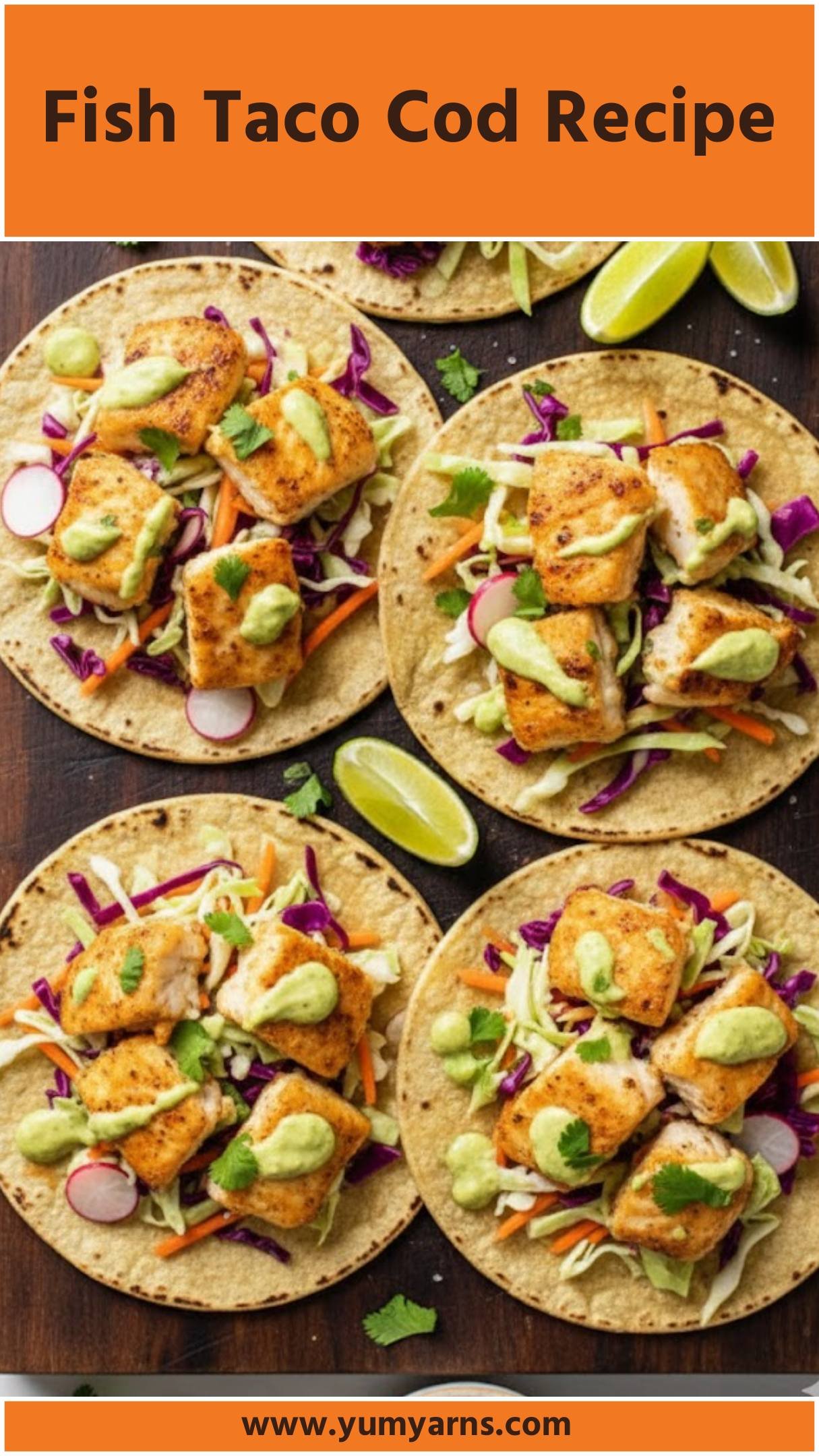
Step 1: Soak the Bread

  • Start by combining the torn pieces of bread and cold water in a bowl. Set this aside for about 5 minutes. The goal is to let the bread soak up the water. Once it’s nice and soggy, use a fork to mash it to a pulp. This is your base for the meatballs, adding moisture and texture.

Step 2: Prepare the Meatball Mixture

  • In a large mixing bowl, or if you’re feeling fancy, use a stand mixer with a paddle attachment. Add the soaked bread (after mashing), the ground beef, sweet Italian sausage, grated Parmesan cheese, minced garlic, sea salt, black pepper, and egg. Mix everything together until it’s well combined, but try not to overwork it. The more you mix, the denser the meatballs can become, and that’s not what we want.

Step 3: Shape and Brown the Meatballs

  • Using your hands, scoop out the mixture to form meatballs about 1.5 inches in diameter—the size of a generous flat ice cream scoop works great. Once shaped, roll them in flour, giving them a light coat. Next, heat the oil in a deep skillet or Dutch oven over medium heat. When the oil shimmers, add the meatballs in batches. Make sure not to overcrowd the pan! Brown them for about 6 minutes, turning occasionally—it’s okay if they aren’t fully cooked through yet. Remove them from the pan and set them aside.

Step 4: Sauté the Onion and Garlic

  • Using the same skillet, add a bit more oil if needed. Toss in your chopped onion, stirring often until it becomes soft and golden, about 5 minutes. Then, mix in the minced garlic and stir for another 1-2 minutes until fragrant.

Step 5: Create the Marinara Sauce

  • Now it’s time to introduce the crushed tomatoes and bay leaves to the pan. Bring this to a light boil—just making sure it’s bubbling nicely.
  • Step 6: Combine the Meatballs and Sauce
  • Gently add the browned meatballs back into the pan and partially cover it with a lid. Let everything simmer for about 30 minutes. Occasionally give those meatballs a turn so they soak up all the goodness. As the sauce thickens, it’ll hug those meatballs perfectly. Just before finishing, stir in the fresh basil and adjust seasoning with salt and pepper to taste.

Step 7: Cook the Spaghetti

  • While the meatballs are doing their thing in the sauce, fill a large pot with water, sprinkle in a generous amount of salt, and bring it to a boil. Toss in the spaghetti and cook according to package instructions until it’s al dente. Drain the pasta but keep a small amount of pasta water handy—this can help adjust the sauce if you need it. Return the pasta to the pot.

Step 8: Toss and Serve

  • Pour the meatballs and sauce over the spaghetti, tossing gently to combine. For a family-style presentation, transfer everything to a larger serving platter. Garnish with grated Parmesan cheese and fresh basil for that visual appeal. Serve hot and watch it disappear!

Notes

Use fresh herbs: They enhance the flavor significantly compared to dried. Fresh basil or parsley on top makes for a gorgeous presentation, too.
Don’t skip the rest time for meatballs: Letting them rest before cooking helps them hold shape better.
Cook in batches: If you crowd the pan, the meatballs won’t brown properly—plus, they could stick together.
Finish cooking in the sauce: This keeps the meatballs tender and flavorful.
Use quality pasta: A good quality spaghetti makes a world of difference when it comes to taste and texture.

Nutrition

Serving: 6gCalories: 550kcal
Tried this recipe?Let us know how it was!

FAQs

1. Can I make this dish ahead of time?

Yes! You can prepare the meatballs and sauce in advance. Assemble the dish before serving for the best taste.

2. What do I do if my meatballs fall apart while cooking?

Ensure the meat mixture is well combined but not overmixed, which can lead to tough meatballs. If they still fall apart, you can add a bit more grated cheese or a touch of breadcrumbs.

3. Can I use whole wheat spaghetti?

Absolutely! Whole wheat spaghetti works great and adds a slightly nuttier flavor and additional fiber.

4. Is it okay to use pre-made marinara sauce?

Sure! If you’re short on time, a quality jarred marinara sauce can be a good substitute for a homemade sauce. Just add fresh herbs to elevate the flavor.

5. What else can I add to the meatballs for extra flavor?

Feel free to experiment with adding herbs like oregano, parsley, or finely chopped veggies like grated zucchini or bell peppers for extra moisture and taste.

Conclusion

There you have it—fancy spaghetti and meatballs that are sure to impress anyone sitting at your dinner table. Each bite is a celebration of flavor and warmth, reminding us of the joy of cooking and sharing meals. I can’t wait for you to try this recipe and make it your own, perhaps by adding your favorite twists along the way. So don your apron, gather your loved ones, and get cooking!
You Might Also Like These Latest Recipes!
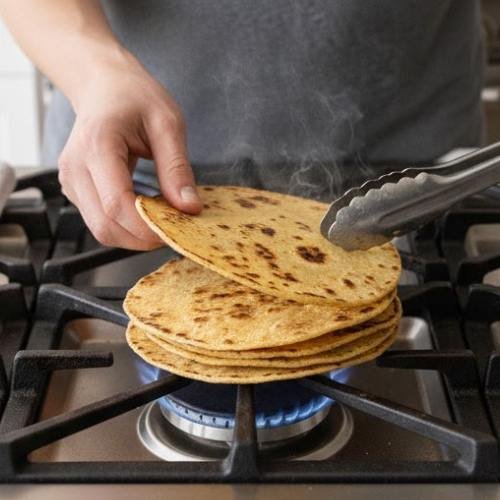
Leftover Vegetable Soup – Yum Yarns

Leftover Vegetable Soup

Before diving headfirst into the soup-making process, let’s talk about what you can serve alongside your leftover vegetable soup. Delicious pairings can elevate your meal, turning a humble soup into a culinary experience worth savoring.

Crusty Bread: A loaf of freshly baked artisan bread is an ideal partner. Just imagine dipping a piece into the warm, flavorful broth. The bread’s texture complements the soup’s liquidity beautifully.

Cheese Toasties: Who doesn’t love a melty, cheesy toast? A grilled cheese sandwich, made with rich, gooey varieties like sharp cheddar or Gruyère, serves as a comforting sidekick to your soup.

Salad: A crisp, refreshing salad can tone down the richness of the soup. Consider a simple mixed greens salad with a zesty lemon vinaigrette. It cuts through the soup’s warmth.

Leftover Vegetable Soup

Ah, leftover vegetable soup! The culinary delight that takes my random vegetable odds and ends, and in one pot transforms them into something extraordinarily comforting. I’m not a culinary wizard, but this dish makes me feel like one. 

It’s all about utilizing what’s on hand, minimizing waste, and still serving up an inviting bowl of goodness. Let’s take this journey together through a recipe that marries versatility and flavor, wrapped up in a cozy, satisfying bowl.

What is Leftover Vegetable Soup Recipe?

In its simplest form, leftover vegetable soup is a hearty combination of chopped or diced vegetables, simmered in a savory broth. What makes it unique is that the ingredients can vary wildly, depending on what you have lurking in your fridge. 

Leftover vegetables that might otherwise be forgotten come alive in this recipe, creating a vibrant medley. The customization is limitless, and anything goes, from root vegetables to greens.

Why This Recipe Works?

Here’s why this leftover vegetable soup is a winner.

Zero Waste: Let’s face it; we’ve all stared forlornly at leftover veggies. By making this soup, you rescue those forgotten soft carrots or wilted kale. It’s sustainability on a plate.

Flavor Explosion: When you throw a medley of vegetables into a pot, it’s like a flavor festival. The broth absorbs the essence of everything, creating depth. Each spoonful is an adventure.

Nutrient-Rich: Every bowl is packed with vitamins and minerals, especially if you layer in various colorful vegetables. From carrots for vision to tomatoes for heart health, you can boost nutrition effortlessly.

Versatile and Quick: Whether you’re in a rush or have time to spare, this soup adapts. Just toss ingredients into a pot and let them do their thing. It’s a winning bet for both busy weekdays and leisurely weekends.

You will also like the following Lunch and Dinner recipes!

Ingredients You’ll Need To Make This Dish

  • 2 pounds root vegetables (like carrots, Yukon potatoes, or parsnips, peeled and coarsely chopped)
  • 3 small shallots (finely chopped) or 1/2 a medium yellow onion (diced)
  • 3 garlic cloves (crushed)
  • 3 tablespoons extra-virgin olive oil, plus more for drizzling
  • 2 tablespoons unsalted butter
  • 2 tablespoons fresh thyme leaves, minced, plus extra for garnish
  • 2 teaspoons ground cumin
  • 1 teaspoon smoked paprika (optional, for warmth)
  • Salt and freshly ground black pepper, to taste
  • 5 cups vegetable broth (with a splash more if needed)
  • 1/4 cup heavy cream (optional, for richness)
  • 1 teaspoon lemon zest (optional, for brightness)
How to make Leftover Vegetable Soup

How To Make This Leftover Vegetable Soup Recipe?

Step 1: Prep Your Vegetables

Begin by washing and peeling the root vegetables. Chop them into bite-sized chunks. This not only speeds up cooking time but also ensures even tenderness.

Step 2: Sauté the Aromatics

In a large pot, drizzle the olive oil and toss in the shallots (or onion). Sauté them over medium heat until they become translucent, which usually takes about 4-5 minutes. Next, add the crushed garlic. The aroma that wafts from the pot will get your mouth watering.

Step 3: Add the Vegetables

Once the onion and garlic are ready, add your coarsely chopped root vegetables into the mix. Stir and let them cook for an additional 5 minutes. This will caramelize their natural sugars, enhancing the overall flavor.

Step 4: Spice it Up

Sprinkle in the thyme, cumin, and smoked paprika. Mix well. Allow the spices to bloom for about a minute. You’ll start smelling a medley of delightful aromas.

Step 5: Pour in the Broth

Next, it’s time to introduce the vegetable broth. Pour it in slowly, allowing the outspoken vegetables to mingle with the liquid. Bring it to a gentle boil. Lower the heat and let it simmer for around 25-30 minutes. This step allows the vegetables to become tender and saturated with flavor.

Step 6: Finish with Cream and Seasoning

If you choose to add it, pour in the heavy cream and give it a good stir. This will lend a velvety texture. Season with salt, pepper, and a touch of lemon zest for that needed brightness.

Step 7: Serve and Garnish

Once everything’s perfectly blended, ladle the warm soup into bowls. A drizzle of olive oil and a sprinkle of fresh thyme on top make for a beautiful presentation.

Tips & Tricks

Use a Variety of Vegetables: Mix textures and flavors. Experiment with everything—zucchini, spinach, or bell peppers can add a new twist.

Adjust Spice Levels: Feel free to make it spicy by adding red pepper flakes or jalapeños if you like a kick.

Make it Heartier: Incorporate cooked grains or pasta to bulk it up. Quinoa or elbow macaroni will fit grade.

Herbs Matter: Add fresh herbs like parsley or cilantro just before serving for a fresh finish.

Leftover Magic: This soup stores beautifully. Make a big batch and pull it out for a quick meal during busy weeks.

Nutrition Information

A single serving of this leftover vegetable soup typically contains the following:

  • Calories: Approximately 150
  • Protein: 3g
  • Fat: 5g
  • Carbohydrates: 23g
  • Fiber: 5g

Most numbers vary based on the specific ingredients you use, but this gives a general idea.

Leftover Vegetable Soup copycat recipe

How Do You Store The Leftovers?

Storing leftover vegetable soup is simple—let it cool completely before transferring it into airtight containers. Refrigerate for up to 4 days. If you want to store it long-term, consider freezing the soup in portioned containers. It freezes well and can last up to three months.

What Sides Would Complement Leftover Vegetable Soup Recipe?

Let’s explore more ideas for sides.

Crusty Bread: There’s something about the comfort of buttered, toasted bread that pairs beautifully with soup. It can soak up flavors and adds crunch to your meal.

Cheese Toasties: Grilled cheese is the ultimate crowd-pleaser! Use quality cheese. Pair it with your soup for an unbeatable combo.

Simple Garden Salad: A fresh garden salad complements the warmth of the soup. Choose ingredients like cucumbers, cherry tomatoes, and a light vinaigrette. This adds balance.

What Alternatives Can You Use for the Ingredients if They Are Not Present in Your Kitchen?

Vegetables: Instead of root vegetables, try green beans, broccoli, or peas. They’ll change the texture but keep flavor intact.

Broth: If you don’t have vegetable broth, chicken broth or even water works. Just adjust seasoning and add more herbs.

Herbs: Don’t have thyme? Use dried Italian seasoning or parsley instead. Each will impart unique flavors.

Cream: For a lower-calorie version, substitute heavy cream with almond milk or omit it entirely. The soup remains hearty.

How to make Leftover Vegetable Soup

Leftover Vegetable Soup

Before diving headfirst into the soup-making process, let’s talk about what you can serve alongside your leftover vegetable soup.
Prep Time 10 minutes
Cook Time 1 hour
Total Time 1 hour 10 minutes
Course Dinner, lunch
Cuisine American
Servings 4
Calories 150 kcal

Equipment

  • Bowls

Ingredients
  

  • 2 pounds root vegetables like carrots, Yukon potatoes, or parsnips, peeled and coarsely chopped
  • 3 small shallots finely chopped or 1/2 a medium yellow onion (diced)
  • 3 garlic cloves crushed
  • 3 tablespoons extra-virgin olive oil plus more for drizzling
  • 2 tablespoons unsalted butter
  • 2 tablespoons fresh thyme leaves minced, plus extra for garnish
  • 2 teaspoons ground cumin
  • 1 teaspoon smoked paprika optional, for warmth
  • Salt and freshly ground black pepper to taste
  • 5 cups vegetable broth with a splash more if needed
  • 1/4 cup heavy cream optional, for richness
  • 1 teaspoon lemon zest optional, for brightness

Instructions
 

Step 1: Prep Your Vegetables

  • Begin by washing and peeling the root vegetables. Chop them into bite-sized chunks. This not only speeds up cooking time but also ensures even tenderness.

Step 2: Sauté the Aromatics

  • In a large pot, drizzle the olive oil and toss in the shallots (or onion). Sauté them over medium heat until they become translucent, which usually takes about 4-5 minutes. Next, add the crushed garlic. The aroma that wafts from the pot will get your mouth watering.

Step 3: Add the Vegetables

  • Once the onion and garlic are ready, add your coarsely chopped root vegetables into the mix. Stir and let them cook for an additional 5 minutes. This will caramelize their natural sugars, enhancing the overall flavor.

Step 4: Spice it Up

  • Sprinkle in the thyme, cumin, and smoked paprika. Mix well. Allow the spices to bloom for about a minute. You’ll start smelling a medley of delightful aromas.

Step 5: Pour in the Broth

  • Next, it’s time to introduce the vegetable broth. Pour it in slowly, allowing the outspoken vegetables to mingle with the liquid. Bring it to a gentle boil. Lower the heat and let it simmer for around 25-30 minutes. This step allows the vegetables to become tender and saturated with flavor.

Step 6: Finish with Cream and Seasoning

  • If you choose to add it, pour in the heavy cream and give it a good stir. This will lend a velvety texture. Season with salt, pepper, and a touch of lemon zest for that needed brightness.

Step 7: Serve and Garnish

  • Once everything’s perfectly blended, ladle the warm soup into bowls. A drizzle of olive oil and a sprinkle of fresh thyme on top make for a beautiful presentation.

Notes

  • Use a Variety of Vegetables: Mix textures and flavors. Experiment with everything—zucchini, spinach, or bell peppers can add a new twist.
  • Adjust Spice Levels: Feel free to make it spicy by adding red pepper flakes or jalapeños if you like a kick.
  • Make it Heartier: Incorporate cooked grains or pasta to bulk it up. Quinoa or elbow macaroni will fit grade.
  • Herbs Matter: Add fresh herbs like parsley or cilantro just before serving for a fresh finish.
  • Leftover Magic: This soup stores beautifully. Make a big batch and pull it out for a quick meal during busy weeks.

Nutrition

Calories: 150kcalCarbohydrates: 23gProtein: 3gFat: 5gFiber: 5g
Keyword Leftover Vegetable Soup
Tried this recipe?Let us know how it was!

Frequently Asked Questions

1. Can I make this soup in advance?

 Absolutely! This soup actually tastes better the next day as the flavors meld together. Just cool completely before refrigerating.

2. Is this soup suitable for freezing?

 Yes, it freezes excellently. Ensure it’s in airtight containers to maintain quality.

3. Can I add proteins to this recipe?

 Definitely! Shredded chicken, lentils, or beans increase protein content and make it more filling.

4. What is the best way to reheat the soup?

 Reheat on the stove over medium heat. Stir regularly until hot. You can also microwave in a covered bowl.

5. How can I boost the flavor more?

 Adding a splash of soy sauce or a dash of Worcestershire sauce does wonders. Adjust it to taste.

6. Can I make it in a slow cooker?

 Yes! Toss all ingredients into a slow cooker and cook on low for about 6-8 hours. Perfect for busy days.

Conclusion

Leftover vegetable soup is more than just a way to use up vegetables—it’s an invitation to creativity in the kitchen. Each spoonful is a blend of flavors that can bring comfort and warmth any day of the week. 

Whether you choose to bulk it up, keep it simple, or add your unique touches, this recipe can adapt to your culinary mood. So, the next time you peek into your fridge and see bits and bobs of veggies, know there’s a delicious solution waiting. Let’s make soup!

You’ll also like these latest recipes!