
There’s something about the bold, warming spices of Cajun cooking that instantly transports me back to my grandmother’s kitchen. She taught me that great food doesn’t have to be complicated—it just needs soul and a few key flavor builders. This Cajun shrimp pasta captures that philosophy perfectly, delivering restaurant-quality results in about 30 minutes. Pair it alongside fresh greens tossed with Chuy’s Jalapeno Ranch Recipe for a complete, balanced meal, or serve with Fancy Salsa on crusty bread for a festive starter course.
When Cajun Cooking Taught Me About Flavor Balance
I still remember standing on a stool in my grandmother’s Louisiana kitchen, watching her build layers of flavor in what seemed like magic. She’d start with the holy trinity—onions, peppers, and garlic—letting them soften until the entire kitchen smelled like home. Then came the spices: that distinctive blend of paprika, cayenne, garlic powder, and oregano that defines Cajun cuisine.
She’d always say, “Tina, good food is about balance. Heat needs richness. Bold needs something creamy to lean into.” Years later, as a registered dietitian, I understand exactly what she meant from a nutritional standpoint. The capsaicin in spicy peppers actually increases metabolism slightly, while the cream and omega-3-rich shrimp provide sustained satisfaction and satiety.
This recipe honors that lesson. It’s vibrant, nourishing, and absolutely craveable—the kind of dish that makes weeknight cooking feel less like an obligation and more like gathering around a table with people you love.
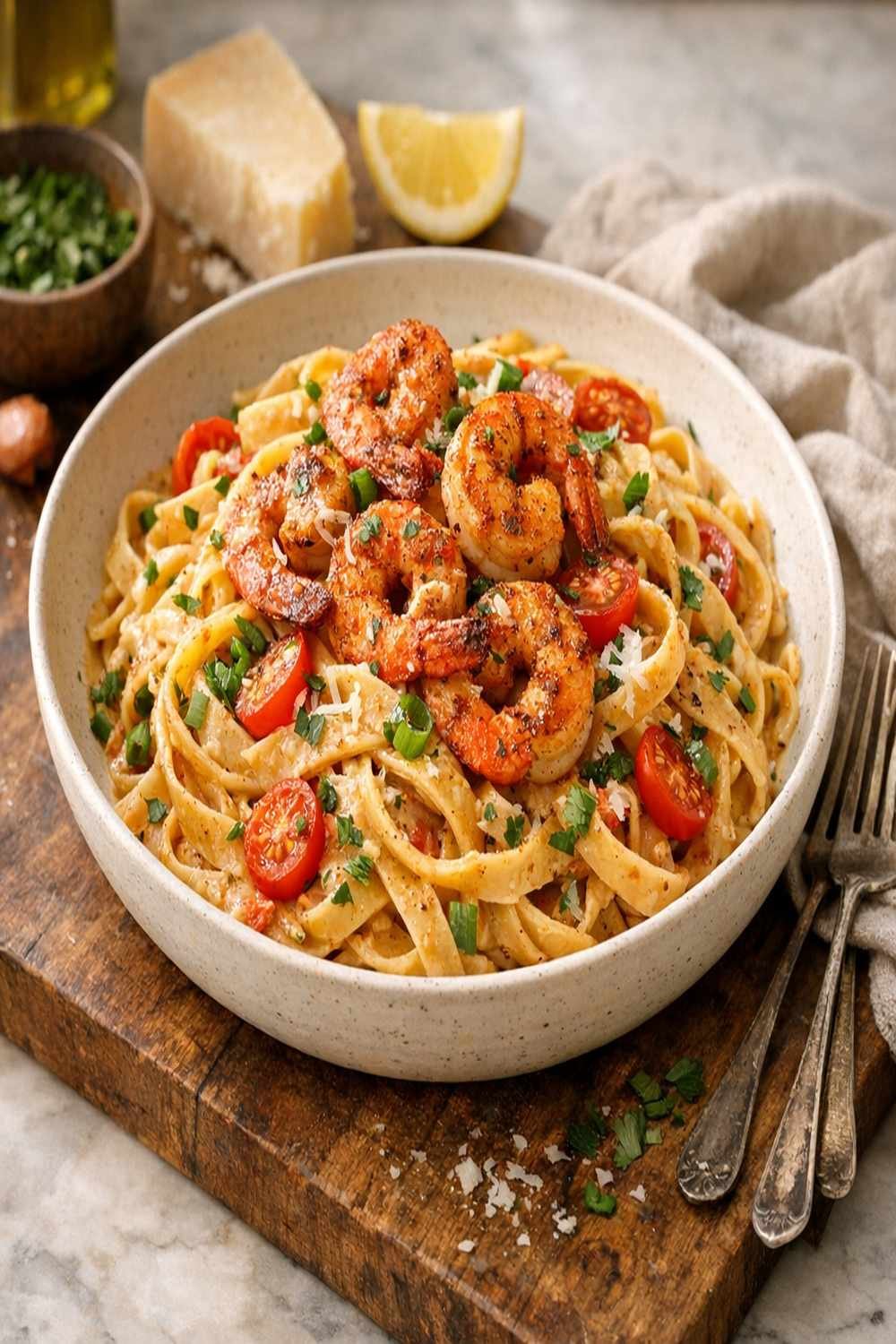
What is Cajun Shrimp Pasta?
Cajun shrimp pasta is a modern fusion dish that marries Southern Louisiana cooking traditions with Italian pasta comfort. Unlike authentic gumbo or jambalaya, this version is lighter and more approachable for everyday cooking, while maintaining the soul of Cajun flavor profiles.
The dish typically features succulent shrimp coated in warming Cajun spices, combined with a rich, tomato-based cream sauce infused with garlic, peppers, and that signature spice blend. The pasta absorbs all those gorgeous flavors, creating a one-bowl meal that feels indulgent but is actually quite balanced nutritionally.
What makes it special is the textural contrast—tender shrimp against al dente pasta, the brightness of fire-roasted tomatoes against the richness of cream, and the gentle heat of cayenne against cooling dairy. It’s a dish that teaches you about flavor architecture with every bite.
Why You’ll Love This Cajun Shrimp Pasta Recipe
- Ready in 30 minutes – Perfect for busy weeknights when you need something that feels special but doesn’t demand hours in the kitchen. From first flame to table, you’re looking at less time than ordering delivery.
- Packed with lean protein – Shrimp provides nearly 20 grams of protein per 3-ounce serving with minimal calories, making this dish naturally satiating and supportive of stable blood sugar throughout your evening.
- Customizable heat level – You control the spice intensity. Prefer milder flavors? Swap jalapeños for bell peppers and use less cayenne. Want it fiery? Double the heat components.
- Naturally nutrient-dense – This dish delivers lycopene from tomatoes (especially fire-roasted varieties, which concentrate this antioxidant), selenium from shrimp, and beneficial compounds from garlic and peppers.
- Makes excellent leftovers – Unlike some pasta dishes that become gluey, this cream sauce actually stays creamy and develops deeper flavor as it sits. Perfect for meal prep.
- Requires minimal special equipment – Two pans, one pot for pasta, and basic pantry ingredients. You likely have everything already on hand.
The Ingredients
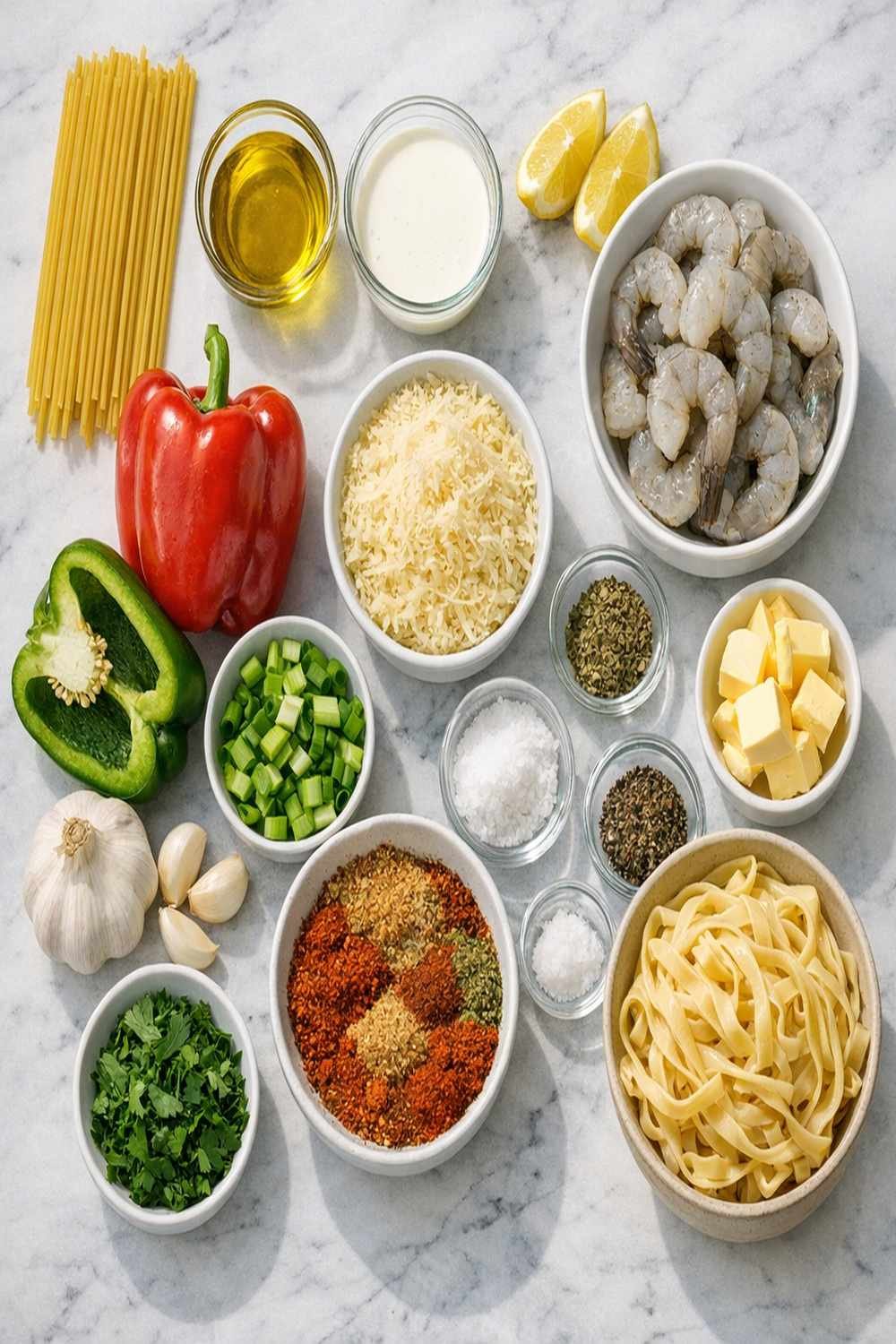
I’ve organized these ingredients by component so you can see how the sauce, pasta, and shrimp come together. This approach helps beginners understand the logic of the recipe rather than just following steps blindly. For this recipe, you’ll yield 4 generous servings perfect for a family dinner or meal prep for two people with leftovers.
For the Sauce
- ½ cup freshly grated Parmesan cheese (never pre-shredded, which contains anti-caking agents)
- 14-ounce can fire-roasted tomatoes (with juices, these concentrate flavor better than regular canned)
- ¾ cup heavy cream (or use full-fat sour cream for a tangier profile with fewer calories)
- 4 cloves garlic (minced finely so it distributes evenly)
- 1 medium yellow onion (chopped into roughly ¼-inch pieces)
- 1 tablespoon authentic Cajun seasoning blend (check your label—quality varies significantly)
- 2 tablespoons neutral cooking oil (vegetable or light olive oil works beautifully)
- 1 jalapeño pepper (chopped fine, seeds removed for less heat if preferred)
For the Shrimp
- 1 pound large shrimp (peeled, deveined, and patted completely dry before seasoning)
- 2 tablespoons neutral cooking oil (high smoke point is essential for proper searing)
- 1½ tablespoons Cajun seasoning (applied generously to create that gorgeous crust)
For the Pasta & Garnish
- Sea salt and cracked black pepper (to taste, added throughout cooking)
- 8 ounces penne pasta (or similar short pasta that captures sauce beautifully)
- Red pepper flakes (optional, for those who want additional heat)
- Extra Parmesan cheese (for serving at the table)
- Fresh Italian parsley (finely chopped, about 3 tablespoons for brightness)
How to Make Cajun Shrimp Pasta?
I’m walking you through this recipe step-by-step, but I want you to understand the “why” behind each action. Good cooking isn’t about following instructions robotically—it’s about building flavor intentionally. You’ll notice I’m cooking the shrimp separately from the sauce. This isn’t extra work; it’s actually the secret to properly cooked shrimp that stays tender instead of becoming rubbery.
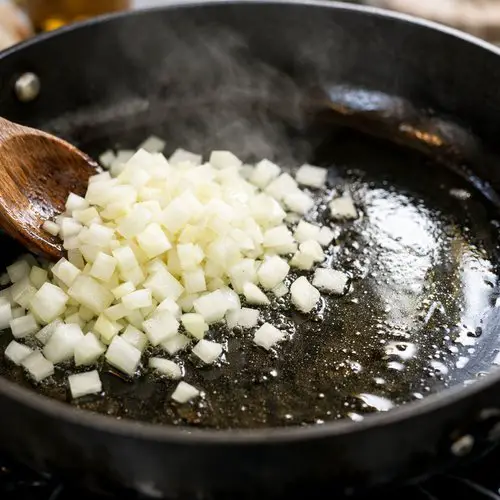
Step 1: Build Your Sauce Foundation
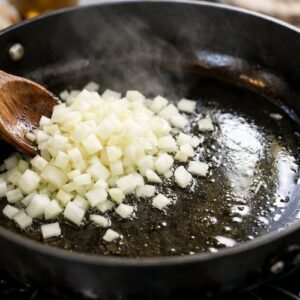
Heat 2 tablespoons of oil in a large, heavy-bottomed pan over medium heat. Once it shimmers (you’ll see it reflect light), add your chopped onion. Let it sit undisturbed for about 2 minutes, then stir occasionally. You’re aiming for that moment when the onion becomes translucent and begins releasing its natural sweetness—about 5 minutes total. This Maillard reaction is crucial; rushing it means missing out on flavor depth.
Add your chopped jalapeño to the pan. Stir gently and cook for another minute. You’ll notice the pepper’s essential oils release into the oil—that’s your signal that heat is activated and you’re ready for the next component.
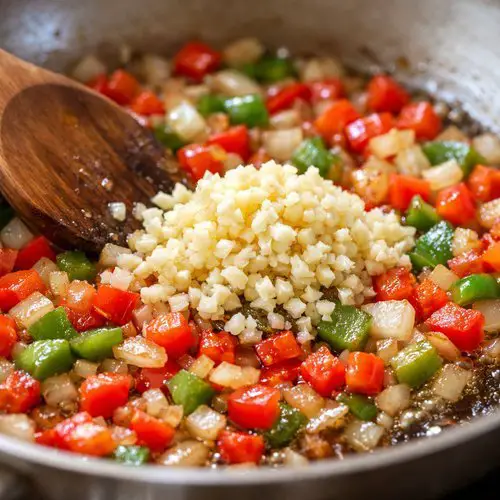
Step 2: Awaken the Garlic
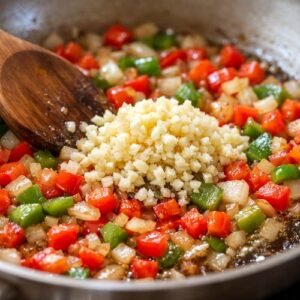
Add your minced garlic directly to the pan with the onion and pepper. This is the moment where your kitchen transforms. Cook for exactly 1 minute—no more. Garlic burns quickly and develops bitter flavors if overcooked, but needs that minute to become fragrant and lose its raw bite. You’ll smell the difference the moment it’s ready.
This is also the perfect moment to ensure your pasta water is already boiling in the background. Timing becomes easier when you’re prepared.
Step 3: Introduce the Tomatoes and Spices
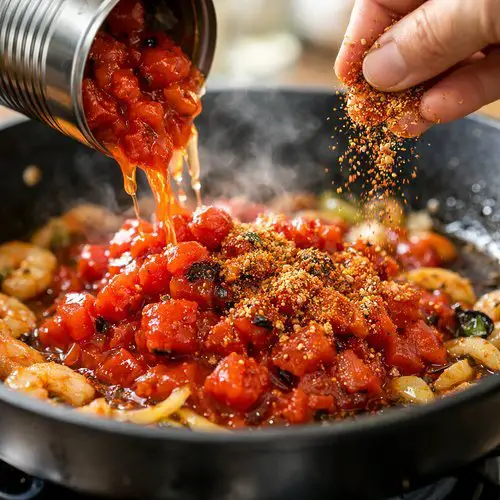
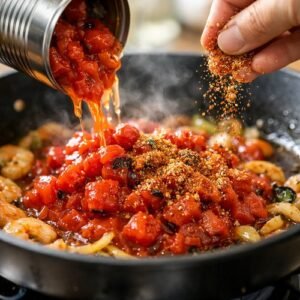
Pour in your fire-roasted tomatoes with all their juices. They’ll immediately hit the hot pan with a gentle sizzle—that’s exactly what you want. Add 1 tablespoon of Cajun seasoning blend, stirring thoroughly so the spices distribute evenly throughout the sauce.
Reduce the heat to medium-low. Now here’s where patience becomes your best ingredient. Let this simmer gently for 10 to 15 minutes. Don’t rush. The flavors are marrying—the tomato’s acidity is softening, the Cajun spices are infusing into the liquid, the heat is mellowing into something complex rather than harsh.
Stir occasionally and notice how the sauce transforms from separated and bright to unified and deeper in color. This is exactly when you know it’s ready for cream.
Step 4: Cook Your Pasta to Perfect Texture
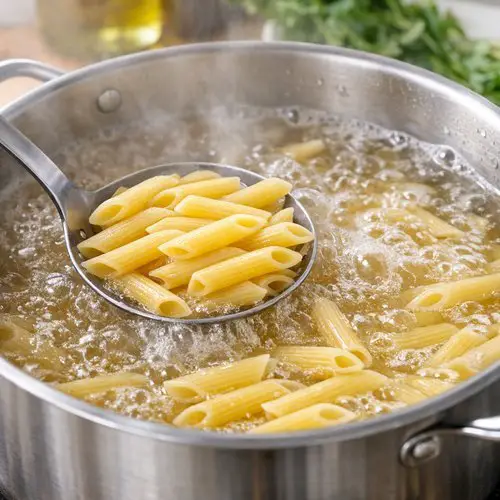
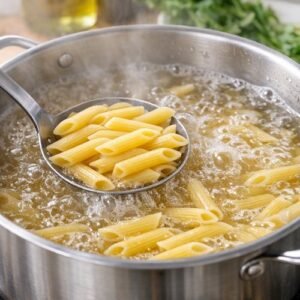
While your sauce simmers, bring a large pot of generously salted water to a rolling boil. Add your penne pasta and cook according to package directions, but reduce the time by 1 minute—you want al dente, with just a slight firmness in the center. The pasta will continue cooking slightly when you combine it with the hot sauce.
Reserve about ½ cup of pasta water before draining. This starchy liquid is liquid gold for adjusting sauce consistency later. Drain the pasta and set aside.
Step 5: Sear Your Shrimp to Perfection
While pasta cooks, heat 2 tablespoons of fresh oil in a second large pan over medium-high heat. This separate pan is non-negotiable—your sauce temperature would drop if you added cold shrimp directly, resulting in watery, overcooked seafood.
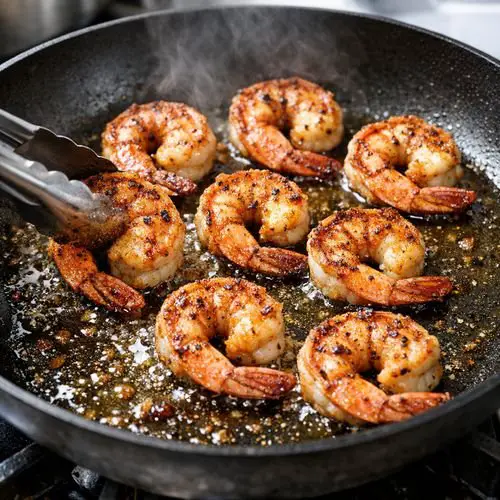
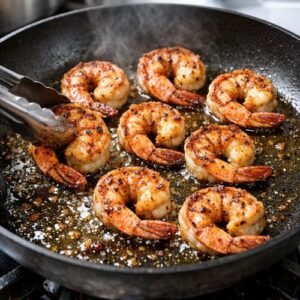
Pat your shrimp completely dry with paper towels—moisture is the enemy of a good sear. Toss them with 1½ tablespoons of Cajun seasoning, coating evenly. Once your pan oil is shimmering hotly (you should see wisps of heat), add the shrimp in a single layer.
Cook for 2 to 3 minutes per side without moving them. Let them develop a gorgeous caramelized exterior. You’ll notice they’ll turn from gray-translucent to opaque white-pink. The moment they’re fully opaque (not mushy, just cooked through), remove them from heat. Shrimp continues cooking from residual heat, so stopping at “just cooked” means they’ll be perfectly tender on your plate.
Step 6: Create the Creamy Magic
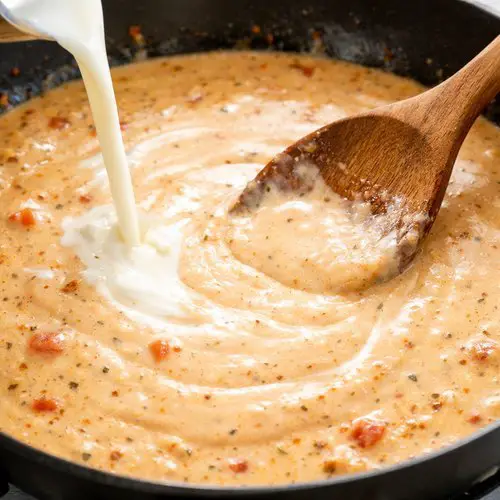
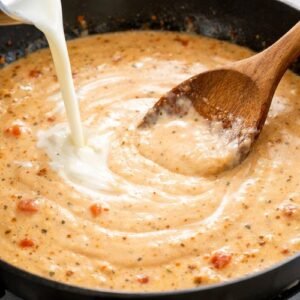
Return your sauce to medium heat. Stir in your ¾ cup of heavy cream, integrating it fully. The sauce will lighten in color and become luxuriously smooth. Now add your freshly grated Parmesan cheese, stirring constantly. This should take about 2 minutes until the cheese melts completely and the sauce becomes silky and cohesive.
Taste and adjust seasoning. Need more heat? Add a pinch more cayenne. Want deeper flavor? A few cracks of black pepper. This is your moment as the chef to fine-tune the dish to your preferences.
Step 7: Unite Everything
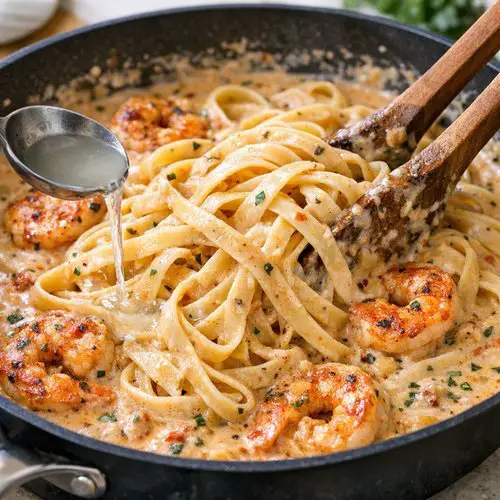
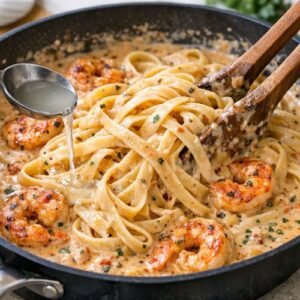
Add your cooked pasta to the cream sauce, stirring gently. The sauce may seem a bit thick—add pasta water a tablespoon at a time until you reach the consistency you prefer. Some people love it clinging closely to the noodles; others prefer it slightly more saucy. There’s no wrong answer, only your preference.
Gently fold in your cooked shrimp. You’re stirring, not aggressively mixing, to keep the shrimp intact and beautiful.
Step 8: Plate and Garnish
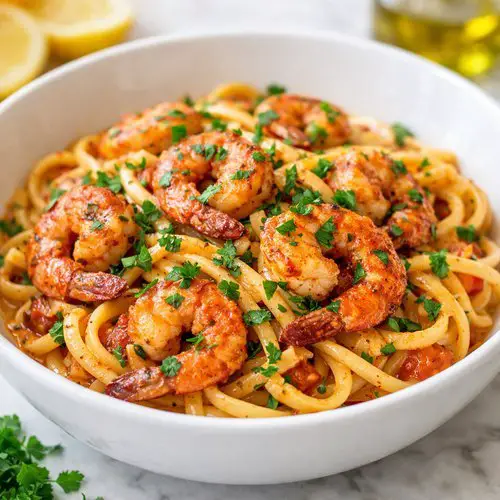
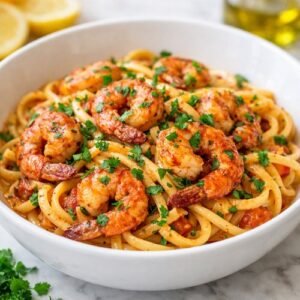
Divide the pasta among bowls. Sprinkle fresh chopped parsley across the top (this adds a fresh, herbaceous note that brightens the rich sauce), a small pinch of red pepper flakes if you like, and extra Parmesan for anyone who wants it.
Serve immediately while everything is warm and the pasta maintains its ideal texture. This dish doesn’t wait well before serving—the pasta continues absorbing sauce and can become oversaturated if left sitting.
Tips and Tricks
- Use truly high-quality Cajun seasoning – Your spice blend is the star here, so don’t settle for dusty seasoning that’s been in your cabinet for years. A good blend should smell aromatic and complex, not one-dimensional. The best ones include smoked paprika, cayenne, garlic powder, onion powder, dried oregano, and thyme.
- Pat shrimp completely dry before seasoning – This single step is the difference between shrimp that sears beautifully and shrimp that steams. Water and heat don’t create browning; they create moisture that prevents the Maillard reaction.
- Don’t skip the separate pan for shrimp – Cooking shrimp in the sauce drops the temperature too much, resulting in overcooked, rubbery texture. The two-pan method ensures both components cook perfectly.
- Reserve pasta water intentionally – This starchy liquid is better than adding cream for adjusting consistency because it helps the sauce coat the noodles more effectively. Pasta water contains starches that create better emulsification.
- Taste and adjust before serving – Everyone’s salt sensitivity differs. Taste your sauce before plating and adjust seasonings accordingly. It’s easier to add salt than remove it.
- Use fire-roasted tomatoes specifically – The roasting process concentrates flavor and adds subtle smoky notes that elevate the entire dish. Regular canned tomatoes lack this complexity.
- Grate Parmesan fresh, never pre-shredded – Pre-shredded varieties contain cellulose and anti-caking agents that prevent smooth melting. Fresh-grated creates a silkier sauce.
Expert’s Nutritional Tip
From my practice as a registered dietitian, I want to highlight something special about this dish: the combination of lycopene-rich tomatoes with fat (the cream) and protein (the shrimp) creates optimal nutrient absorption. Lycopene, a powerful antioxidant linked to heart health, is fat-soluble, meaning your body absorbs it significantly better when consumed with dietary fat. By designing this dish with naturally complementary components, you’re not just creating something delicious—you’re creating something your body can actually utilize efficiently.
Additionally, shrimp provides astaxanthin, a carotenoid that gives it that beautiful pink color and offers antioxidant benefits. The garlic and jalapeños contribute sulfur compounds and capsaicin respectively, compounds studied for anti-inflammatory properties. This isn’t just comfort food—it’s functional nutrition wrapped in something craveable.
Make-Ahead Guide
One of my favorite aspects of this recipe is its flexibility for busy families. Here’s my professional approach to meal prepping this dish:
The day before or morning of cooking: Prepare your sauce completely—onion, peppers, garlic, tomatoes, and spices. Store in an airtight container in the refrigerator for up to 2 days. Peel and devein your shrimp, pat dry, and store in a sealed container on the coldest shelf of your refrigerator.
30 minutes before serving: Bring the sauce to a gentle simmer over medium heat, stirring occasionally. Cook pasta fresh (don’t make it in advance, as it’ll become mushy). Sear the shrimp in a separate pan. Finish the sauce with cream and Parmesan. Combine everything and serve immediately.
This approach means you’ve done 80% of the work ahead of time but still serve pasta that’s perfectly textured. It’s my trick for making weeknight dinners feel less chaotic.
Common Mistakes to Avoid
- Overcooking the shrimp – This is the most common error I see. Shrimp cooks incredibly quickly. The moment it turns opaque, stop cooking. Overcooked shrimp becomes mealy and rubbery, no amount of sauce can salvage it.
- Mixing shrimp directly into the hot sauce – The temperature drop causes uneven cooking. Your shrimp won’t develop that gorgeous caramelized exterior, and the sauce temperature drops enough to affect its texture.
- Using pre-made “shrimp seasoning” instead of actual Cajun blend – Many commercial shrimp seasonings are salt-heavy with minimal actual spicing. A quality Cajun blend gives you the authentic flavor you’re aiming for.
- Adding cream to a sauce that’s too hot or not properly simmered – If your tomato base is still too acidic or raw-tasting, the cream won’t rescue it. That 10-minute simmer is non-negotiable for flavor development.
- Not tasting before serving – Everyone’s salt tolerance differs. A quick taste allows you to adjust seasoning and create a perfectly balanced dish for your specific preferences.
Seasonal Variations
I love adapting this recipe throughout the year based on what’s at peak flavor and nutrition:
Summer version: When fresh corn is abundant, add a cup of corn kernels to the sauce during the last 5 minutes of simmering. The sweetness beautifully balances the heat and adds textural interest. You can also use fresh basil instead of parsley for garnish.
Fall/winter version: Add a handful of wilted spinach to the sauce along with the shrimp for earthiness and additional nutrients. A pinch of smoked paprika intensifies those warming autumn flavors. Consider using roasted red peppers instead of fresh jalapeño for a sweeter, more subtle heat.
Spring version: Toss in fresh peas and asparagus during the last 2 minutes of cooking. Add lemon zest at the end for brightness. This version feels lighter and more aligned with spring’s refreshing aesthetic.
Can I Store Cajun Shrimp Pasta?
Yes, though timing and technique matter. Properly stored in an airtight container, this dish keeps for up to 3 days in the refrigerator. The sauce maintains its creaminess beautifully, and flavors actually deepen overnight as components continue marrying.
Here’s what I recommend: Store sauce and shrimp together in one container. If you’ve already combined them with pasta, store the pasta separately if possible—this prevents it from absorbing all the sauce and becoming oversaturated.
Reheating: Warm gently over medium-low heat with a splash of cream or pasta water to refresh the sauce’s silky texture. Stir occasionally to ensure even heating. Avoid high heat, which can cause the cream to separate. Reheat for 5 to 7 minutes until warmed through.
This dish does not freeze well. The cream-based sauce tends to break upon thawing, resulting in a grainy, separated texture. I recommend eating fresh or enjoying leftovers within the recommended timeframe.
Nutrition Information
Per serving (based on 4 servings total): approximately 485 calories, 24g protein, 38g carbohydrates, 23g fat, 3g dietary fiber, and 680mg sodium. This data is estimated using USDA food composition databases and may vary based on specific ingredient brands and preparation methods.
What I appreciate nutritionally about this dish is its balance. The protein-to-carbohydrate ratio supports stable blood sugar, meaning you won’t experience an energy crash an hour after eating. The dietary fiber from the tomatoes and whole grain option for pasta (if you choose it) contributes to satiety and digestive health.
The cream content provides fat-soluble vitamins and supports absorption of the lycopene and beta-carotene from the tomatoes. If you’re concerned about saturated fat, substituting Greek yogurt or sour cream for half the heavy cream reduces saturated fat by about 8 grams per serving while maintaining creaminess and taste.
One serving provides approximately 15% of your daily value of selenium (from shrimp), 20% of daily value of vitamin C (from tomatoes and peppers), and meaningful amounts of iron and magnesium. It’s a nutritionally complete meal requiring only a side salad or vegetables to round out your dinner.
What Can I Serve With Cajun Shrimp Pasta?
This dish is wonderfully complete on its own, but I love complementary sides that add freshness and textural contrast. Think about balancing the richness with brightness and crunch.
- Simple green salad – Toss mixed greens with a light vinaigrette (lemon juice, olive oil, Dijon mustard). The acidity and crunch provide balance to the creamy pasta. If you want to use a prepared dressing, my go-to recommendation is Chuy’s Jalapeno Ranch Recipe, which echoes the jalapeño heat in your main dish beautifully.
- Crusty bread for sauce soaking – Grilled or toasted baguette slices are perfect for capturing every drop of that gorgeous cream sauce. I often brush them lightly with garlic-infused oil.
- Steamed broccoli or asparagus – A simple green vegetable seasoned with lemon and garlic adds nutrition and freshness. The slight bitterness of broccoli especially complements the creamy sauce.
- Roasted vegetables – Bell peppers, zucchini, or cherry tomatoes roasted until caramelized add sweetness and complexity without competing with your main dish’s flavors.
- Fresh fruit for dessert – Given the richness of this pasta, something light and refreshing afterward is ideal. Fresh berries, a citrus salad, or even my weeknight pasta as a lighter second course creates a beautiful progression through your meal.
Substitutes
- Shrimp alternatives: Scallops are an elegant swap, requiring the same 2-3 minute per side searing time. Chunks of firm white fish like halibut or cod work beautifully too—treat them more gently during cooking to prevent breaking. Even grilled chicken breast cut into bite-sized pieces transforms this into a different but equally delicious dish.
- Cream alternatives: Full-fat coconut milk maintains richness and pairs surprisingly well with Cajun spices (adding a subtle tropical note). Half-and-half reduces calories but may require less of it for the same consistency. Greek yogurt added at the end creates tanginess and reduces saturated fat. Sour cream adds interesting complexity and works especially well if you like a slightly tangy profile.
- Pasta shapes: While I love penne for its sauce-capturing abilities, farfalle (bow ties), rigatoni, and even long pasta like fettuccine work beautifully. Avoid very thin pasta like angel hair, which gets lost in a cream sauce.
- Cajun seasoning: If you don’t have a prepared blend, combine 2 teaspoons smoked paprika, 1½ teaspoons cayenne pepper, 1 teaspoon garlic powder, 1 teaspoon onion powder, 1 teaspoon dried oregano, ½ teaspoon dried thyme, and salt to taste. This makes approximately 2 tablespoons of homemade blend.
- Fire-roasted tomatoes: Regular canned tomatoes work in a pinch, though the smoky depth is lost. Add a tiny pinch of smoked paprika to compensate. Fresh ripe tomatoes work in summer months—use about 16 ounces chopped, but increase simmering time to 15 minutes to allow the fresh tomatoes’ flavors to develop.
- Parmesan cheese: Asiago offers a similar salty, nutty profile with just slightly different texture. Romano is sharper; use less of it. Gruyère adds complexity and creaminess, creating an even richer dish.
- Jalapeño pepper: Use red bell pepper for a completely mild, slightly sweet version. Serrano peppers add comparable heat to jalapeños with slightly fruity notes. Even fresh garlic—increasing the amount slightly—works if you want no pepper heat at all.
Cajun Shrimp Pasta Recipe

Ingredients
For the Sauce
- ½ cup freshly grated Parmesan cheese never pre-shredded, which contains anti-caking agents
- 14- ounce can fire-roasted tomatoes with juices, these concentrate flavor better than regular canned
- ¾ cup heavy cream or use full-fat sour cream for a tangier profile with fewer calories
- 4 clove garlic minced finely so it distributes evenly
- 1 medium yellow onion chopped into roughly ¼-inch pieces
- 1 tablespoon authentic Cajun seasoning blend (check your label
- 2 tablespoon neutral cooking oil vegetable or light olive oil works beautifully
- 1 jalapeño pepper chopped fine, seeds removed for less heat if preferred
For the Shrimp
- 1 pound large shrimp peeled, deveined, and patted completely dry before seasoning
- 2 tablespoon neutral cooking oil high smoke point is essential for proper searing
- 1½ tablespoon Cajun seasoning applied generously to create that gorgeous crust
For the Pasta & Garnish
- Sea salt and cracked black pepper to taste, added throughout cooking
- 8 ounce penne pasta or similar short pasta that captures sauce beautifully
- Red pepper flakes optional, for those who want additional heat
- Extra Parmesan cheese for serving at the table
- Fresh Italian parsley finely chopped, about 3 tablespoons for brightness
Instructions
Step 1: Build Your Sauce Foundation
- Heat 2 tablespoons of oil in a large, heavy-bottomed pan over medium heat. Once it shimmers (you'll see it reflect light), add your chopped onion. Let it sit undisturbed for about 2 minutes, then stir occasionally. You're aiming for that moment when the onion becomes translucent and begins releasing its natural sweetness—about 5 minutes total. This Maillard reaction is crucial; rushing it means missing out on flavor depth. Add your chopped jalapeño to the pan. Stir gently and cook for another minute. You'll notice the pepper's essential oils release into the oil—that's your signal that heat is activated and you're ready for the next component.
Step 2: Awaken the Garlic
- Add your minced garlic directly to the pan with the onion and pepper. This is the moment where your kitchen transforms. Cook for exactly 1 minute—no more. Garlic burns quickly and develops bitter flavors if overcooked, but needs that minute to become fragrant and lose its raw bite. You'll smell the difference the moment it's ready. This is also the perfect moment to ensure your pasta water is already boiling in the background. Timing becomes easier when you're prepared.
Step 3: Introduce the Tomatoes and Spices
- Pour in your fire-roasted tomatoes with all their juices. They'll immediately hit the hot pan with a gentle sizzle—that's exactly what you want. Add 1 tablespoon of Cajun seasoning blend, stirring thoroughly so the spices distribute evenly throughout the sauce. Reduce the heat to medium-low. Now here's where patience becomes your best ingredient. Let this simmer gently for 10 to 15 minutes. Don't rush. The flavors are marrying—the tomato's acidity is softening, the Cajun spices are infusing into the liquid, the heat is mellowing into something complex rather than harsh. Stir occasionally and notice how the sauce transforms from separated and bright to unified and deeper in color. This is exactly when you know it's ready for cream.
Step 4: Cook Your Pasta to Perfect Texture
- While your sauce simmers, bring a large pot of generously salted water to a rolling boil. Add your penne pasta and cook according to package directions, but reduce the time by 1 minute—you want al dente, with just a slight firmness in the center. The pasta will continue cooking slightly when you combine it with the hot sauce. Reserve about ½ cup of pasta water before draining. This starchy liquid is liquid gold for adjusting sauce consistency later. Drain the pasta and set aside.
Step 5: Sear Your Shrimp to Perfection
- While pasta cooks, heat 2 tablespoons of fresh oil in a second large pan over medium-high heat. This separate pan is non-negotiable—your sauce temperature would drop if you added cold shrimp directly, resulting in watery, overcooked seafood. Pat your shrimp completely dry with paper towels—moisture is the enemy of a good sear. Toss them with 1½ tablespoons of Cajun seasoning, coating evenly. Once your pan oil is shimmering hotly (you should see wisps of heat), add the shrimp in a single layer. Cook for 2 to 3 minutes per side without moving them. Let them develop a gorgeous caramelized exterior. You'll notice they'll turn from gray-translucent to opaque white-pink. The moment they're fully opaque (not mushy, just cooked through), remove them from heat. Shrimp continues cooking from residual heat, so stopping at "just cooked" means they'll be perfectly tender on your plate.
Step 6: Create the Creamy Magic
- Return your sauce to medium heat. Stir in your ¾ cup of heavy cream, integrating it fully. The sauce will lighten in color and become luxuriously smooth. Now add your freshly grated Parmesan cheese, stirring constantly. This should take about 2 minutes until the cheese melts completely and the sauce becomes silky and cohesive. Taste and adjust seasoning. Need more heat? Add a pinch more cayenne. Want deeper flavor? A few cracks of black pepper. This is your moment as the chef to fine-tune the dish to your preferences.
Step 7: Unite Everything
- Add your cooked pasta to the cream sauce, stirring gently. The sauce may seem a bit thick—add pasta water a tablespoon at a time until you reach the consistency you prefer. Some people love it clinging closely to the noodles; others prefer it slightly more saucy. There's no wrong answer, only your preference. Gently fold in your cooked shrimp. You're stirring, not aggressively mixing, to keep the shrimp intact and beautiful.
Step 8: Plate and Garnish
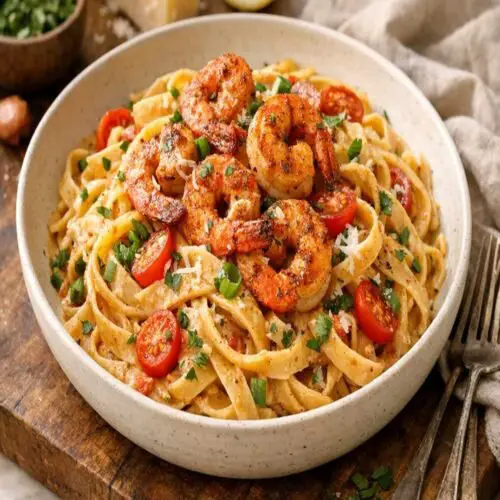
- Divide the pasta among bowls. Sprinkle fresh chopped parsley across the top (this adds a fresh, herbaceous note that brightens the rich sauce), a small pinch of red pepper flakes if you like, and extra Parmesan for anyone who wants it. Serve immediately while everything is warm and the pasta maintains its ideal texture. This dish doesn't wait well before serving—the pasta continues absorbing sauce and can become oversaturated if left sitting.
Notes
Nutrition
FAQs
Can I make this recipe ahead and reheat it?
Absolutely. I recommend preparing the sauce completely in advance—it actually benefits from sitting overnight as flavors continue developing. Store the sauce in an airtight container for up to 2 days. Cook the shrimp fresh on serving day (you can prep them in advance, but sear them fresh). Cook pasta fresh as well, just before serving. To reheat pre-made sauce, warm it gently over medium-low heat with a splash of cream or milk to refresh the texture, then finish with the seared shrimp and fresh pasta. This method delivers fresh-made quality while reducing day-of cooking time.
Why did my shrimp turn out rubbery?
Shrimp overcooks incredibly quickly—often in seconds, honestly. The proteins in shrimp (primarily astaxanthin-containing proteins) denature rapidly under heat. Once the shrimp turns fully opaque white-pink, it’s done. Continue cooking beyond that point and the proteins contract, squeezing out moisture and creating that rubbery texture. The solution is removing shrimp from heat at the exact moment it becomes opaque, even if it seems slightly underdone. Residual heat finishes the cooking as it cools on the plate.
What’s the difference between fire-roasted and regular canned tomatoes?
Fire-roasted tomatoes are literally roasted over flames before canning, which concentrates their flavors, adds subtle smoky notes, and caramelizes their natural sugars. This creates deeper, more complex flavor. Regular canned tomatoes are canned fresh and offer bright, straightforward tomato taste. For this Cajun dish specifically, fire-roasted creates the flavor depth that makes the dish special. You can use regular canned tomatoes, but expect a brighter, less developed flavor profile.
Can I use frozen shrimp for this recipe?
Yes, with one critical requirement: thaw them completely and pat them absolutely dry before cooking. Frozen shrimp often come coated with ice. If you cook them while frozen, that ice becomes steam, which prevents browning and results in mushy texture. Thaw overnight in the refrigerator or place them in a colander under cool running water until thawed (about 10 minutes). Pat completely dry before seasoning and searing. Properly thawed and dried frozen shrimp cook identically to fresh shrimp.
Is this dish naturally gluten-free?
Not in its traditional form because penne pasta typically contains wheat gluten. However, making it gluten-free is simple: use gluten-free pasta (rice-based, corn-based, or legume-based varieties all work beautifully). The sauce itself is naturally gluten-free as long as your Cajun seasoning blend doesn’t include fillers. Check ingredient labels to confirm. Everything else in the recipe—cream, tomatoes, shrimp, cheese—is naturally gluten-free. I’ve made this dish successfully many times for clients with celiac disease using gluten-free pasta, and honestly, most people can’t detect a difference.
More Recipes You’ll Love
- Fish Taco Cod Recipe – Another seafood-centered dish with bold Cajun-inspired flavors and similar quick cooking techniques. Perfect for lighter, taco-style meals.
- Farfalle with Creamy White Bean and Roasted Garlic Sauce – A vegetarian pasta option that uses similar cream-based sauce techniques but celebrates legumes instead of seafood. Equally comforting and satisfying.
- Potato Rings and Homemade Buttermilk Ranch – For sides that pair beautifully with Cajun shrimp pasta, or serve as appetizers when you’re entertaining.
- Goat Cheese Appetizer Bites – Elegant starters that introduce the creamy, bold flavor profile your guests will experience in the main course.
There’s a particular joy in creating food that nourishes both body and soul—something my grandmother understood intuitively, and that I’ve spent years understanding scientifically. This Cajun shrimp pasta honors both perspectives. It’s a dish that tastes indulgent while providing genuine nutritional value. It’s straightforward enough for weeknight cooking yet elegant enough for entertaining. Most importantly, it’s the kind of food that brings people together, that sparks conversation around the table, that makes everyone feel cared for.
I hope you make this dish often, adapt it to your preferences, and create your own food memories around it. That’s what cooking is really about—not perfection, but connection. Happy Cooking! With love, Tina Cooper.