
There’s something magical about a casserole that emerges from the oven bubbling and golden, filling your kitchen with the aroma of comfort and care. This broccoli rice casserole with creamy cheese is exactly that kind of dish—one that transforms simple ingredients into something that nourishes both body and soul. Pair it alongside this cozy soup for a complete, balanced meal, or keep it simple and serve it on its own for a satisfying dinner that the whole family will ask for again and again.
My Mother’s Kitchen Taught Me Everything About Wholesome Comfort Food
I still remember standing on a stepladder in my mother’s kitchen, watching her combine cream of chicken soup with cooked rice and fresh vegetables. She was making one of her famous casseroles, and I was maybe seven years old, completely mesmerized by how she could transform humble ingredients into something that made everyone at the table smile. My grandmother would sit at the kitchen table, offering quiet guidance while my mom worked—never hovering, just present.
That casserole became the template for so much of my approach to cooking and nutrition. It taught me that healthy eating doesn’t have to be complicated or intimidating. It doesn’t require fancy ingredients or hours of prep time. Instead, it’s about bringing together wholesome components with intention, seasoning with love, and baking until golden.
When I became a registered dietitian, I carried those lessons with me. I wanted to help people understand that meals like this—creamy, satisfying, and deeply comforting—can absolutely fit into a balanced, nutritious lifestyle. This particular recipe is my tribute to those kitchen moments, with a few professional tweaks to maximize both flavor and nutrition.
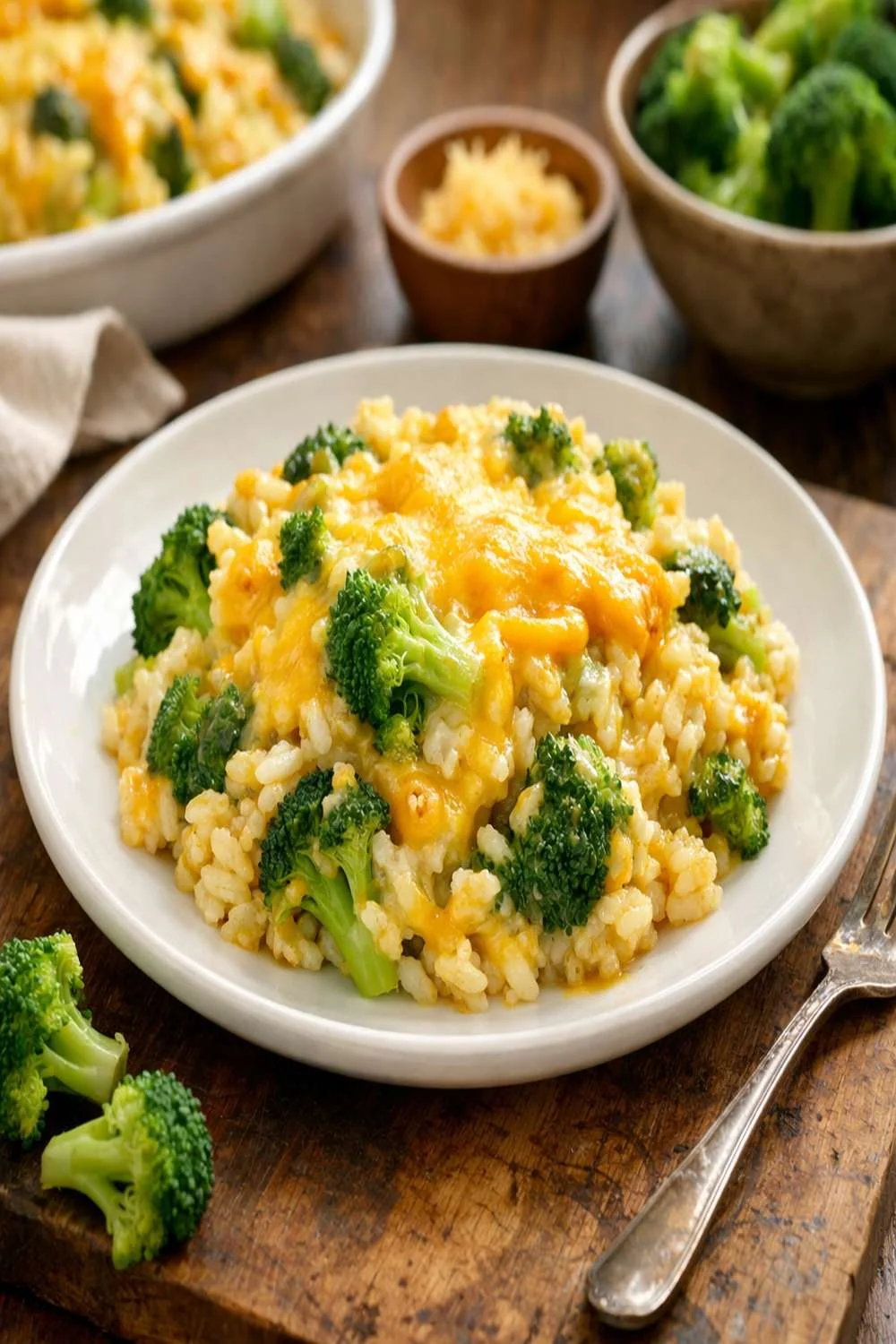
What Is This Broccoli Rice Casserole with Creamy Cheese?
This casserole is a classic American comfort dish that brings together tender broccoli, fluffy cooked rice, shredded chicken, and a gloriously creamy cheese sauce. The combination creates a one-dish meal that’s rich, satisfying, and surprisingly balanced when you understand the nutritional building blocks at play.
The beauty of this recipe lies in its origins—it’s the kind of dish that emerged from American home kitchens in the mid-20th century, born from the desire to create something nourishing that could feed a family without fuss. What makes it special is how adaptable it is. You can adjust the seasonings to your preference, swap proteins, or modify the vegetables based on what you have on hand or what’s in season.
At its core, you’re combining a protein (chicken), a carbohydrate (rice), a vegetable (broccoli), and a creamy binder that brings everything together into a cohesive, delicious whole. As a dietitian, I appreciate this structure because it naturally creates a balanced plate—something I always encourage my clients to build into their everyday eating patterns.
Why You’ll Love This Broccoli Rice Casserole with Creamy Cheese Recipe
- One-Dish Simplicity – Everything comes together in a single baking dish, which means minimal cleanup and maximum weeknight appeal. From prep to table, you’re looking at under an hour of total time, with most of that being hands-off baking.
- Built-In Nutrition Balance – This dish naturally combines lean protein, whole grains (if using brown rice), fresh vegetables, and healthy fats from sour cream and cheese. There’s no need to overthink sides because the casserole itself is nutritionally complete.
- Incredibly Forgiving for Beginners – If you can boil water and stir a pot, you can make this recipe. There are no temperamental techniques or finicky timing requirements. It’s designed to be straightforward and successful.
- Perfect for Meal Prep and Planning – This casserole actually tastes better the next day as flavors meld together. You can assemble it ahead, refrigerate it, and bake when you’re ready, making it ideal for busy families.
- Family-Approved and Adaptable – Kids who might turn their nose up at plain broccoli often happily eat it when it’s nestled in creamy rice with cheese. Plus, you can easily modify ingredients based on dietary preferences or what’s available.
- Budget-Friendly Without Sacrificing Quality – Casseroles are inherently economical. You’re stretching proteins and grains efficiently, which means you feed more people without breaking the bank while maintaining nutritional integrity.
The Ingredients
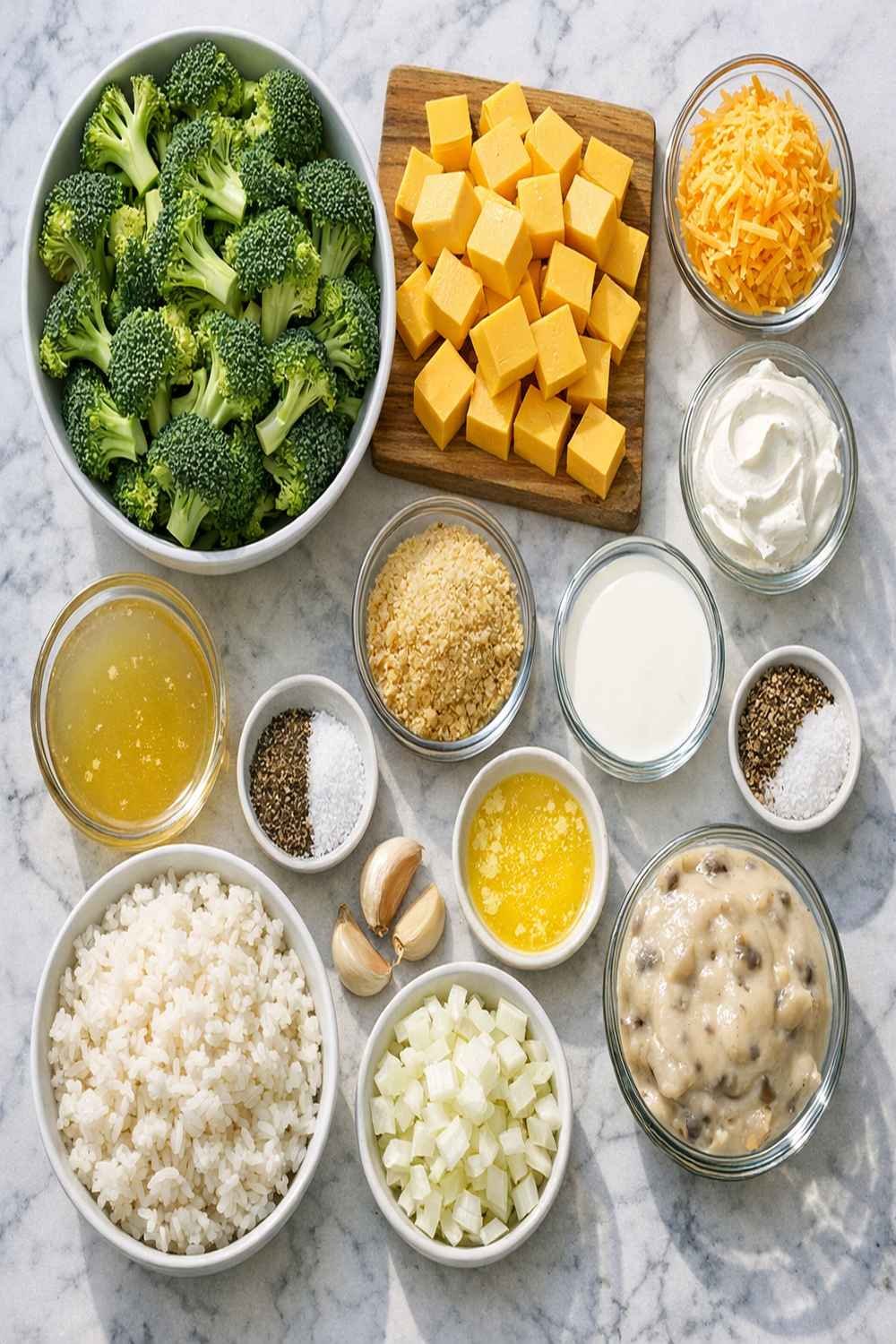
The following ingredients work together to create layers of flavor and texture. I’ve chosen each one for both its nutritional contribution and its ability to create that signature creamy, comforting result. You’ll notice this list includes some ingredients you likely already have in your pantry, which makes this recipe especially convenient for unexpected dinner guests or those nights when you need to get a meal on the table quickly.
- 1 pound frozen broccoli florets (choose larger pieces when possible—they hold shape better during cooking)
- 3½ cups cooked white rice (or brown rice for additional fiber and nutrients)
- 3 cups diced cooked chicken (rotisserie chicken works beautifully and saves time)
- 8 ounces processed cheese product (finely chopped into small, manageable pieces)
- 1 cup sour cream (full-fat creates the best texture and flavor)
- 10 ounces cream of chicken soup (look for lower sodium versions if sodium is a concern)
- 2 cups shredded sharp cheddar cheese (sharp varieties have more pronounced flavor, so you can use less)
- 1 teaspoon garlic powder (or ½ teaspoon if using fresh garlic)
- 1 teaspoon onion powder (freshly measured—it loses potency over time)
- 1 teaspoon sea salt (adjust to taste, especially if your chicken was pre-seasoned)
- 1 teaspoon freshly cracked black pepper (freshly ground tastes significantly better than pre-ground)
- ½ teaspoon smoked paprika (optional but adds wonderful depth and color)
- Don’t Skip the Broccoli Chopping Step – I know it seems extra, but breaking those florets into smaller pieces ensures even distribution and prevents anyone from getting a giant piece in their mouth. Texture consistency matters.
- Use Rotisserie Chicken to Save Time – There’s absolutely no shame in using store-bought rotisserie chicken. It’s already seasoned beautifully and requires only a quick dice. It actually adds wonderful flavor to this dish.
- Brown Rice Alternative – If you prefer brown rice for its nutritional benefits (higher fiber, more B vitamins), substitute it 1:1 for white rice. It will have a slightly earthier flavor and a bit more texture, which many people actually prefer.
- Season as You Go – Taste your mixture before putting it in the oven. Seasoning at the end is harder because you can’t easily adjust once it’s baked. This is a basic cooking principle that makes a huge difference.
- Don’t Overcrowd Your Cheese Layer – Ironically, if you use too much cheese on top, it can brown unevenly. Two cups spread evenly is the perfect amount to melt beautifully without burning.
- Keep Your Oven Temperature Steady – A lower temperature like 350 degrees ensures the interior heats through without the edges drying out. Resist the urge to crank it to 400 degrees to speed things up.
- Save Time with Pre-Cooked Rice – Many grocery stores sell pre-cooked rice packets. These are nutritionally equivalent to homemade and save considerable time on busy nights. This is not laziness; it’s smart time management.
- Too Much Liquid – The most common mistake is not draining the broccoli thoroughly enough. Excess water will make your casserole watery and less creamy. Take the extra 30 seconds to press it gently with the back of a spoon after draining.
- Underdrained Rice – If you rinsed your rice after cooking, make sure it’s completely drained before adding it. Wet rice will contribute excess moisture. If it seems wet, spread it on a baking sheet to air-dry slightly.
- Skipping the Taste Test – I’ve seen people make this dish without tasting it before baking, only to discover it’s underseasoned. Take 10 seconds to taste and adjust. Your dinner will be infinitely better.
- Opening the Oven During the Foil Phase – I know it’s tempting to peek, but opening the oven door during the first 15 minutes lets heat escape and can cause uneven cooking. Trust the process and keep that door closed.
- Fresh Green Salad with Bright Vinaigrette – A simple salad with arugula or mixed greens and a lemon vinaigrette cuts through the richness beautifully. The acidity and fresh greens provide wonderful contrast to the creamy casserole.
- Roasted Vegetables – Try roasted Brussels sprouts with a little balsamic glaze, or roasted carrots with herbs. These add nutritional variety and textural interest to the meal.
- Crusty Whole Grain Bread – A slice of whole grain bread is perfect for soaking up the creamy sauce. It adds fiber and makes the meal feel more complete.
- Simple Steamed Green Vegetable – Green beans or broccoli (if you want to use a different vegetable in the side) steamed with a touch of garlic provides additional vegetables without overwhelming the plate.
- Spicy Thai Red Curry Soup – If you want something more adventurous, try serving a small bowl of this cozy soup alongside. The heat and brightness provide an interesting contrast to the mild, creamy casserole.
- Fruit-Based Sides – A simple fruit salad with grapes and berries provides vitamins and a light sweetness that balances the savory, rich casserole nicely.
- Dairy-Free Sour Cream – If you need a dairy-free version, use a quality dairy-free sour cream alternative. The texture will be slightly different but still quite good. You might need to add a touch more to achieve the same creaminess since some dairy-free versions are thinner.
- Different Proteins – Turkey works beautifully instead of chicken for a slightly different flavor. You can also use cooked ham, though reduce salt in the recipe accordingly. Some people enjoy using a combination of chicken and cooked bacon for extra flavor.
- Vegetable Variations – While broccoli is classic, you can substitute frozen mixed vegetables, cauliflower, green beans, or even a combination. The cooking time might vary slightly depending on the vegetable, so adjust accordingly.
- Cheese Options – If you prefer, you can use all sharp cheddar instead of the processed cheese product, though the texture will be slightly less creamy. You might add a touch more sour cream to compensate. Gruyere or smoked cheddar would add interesting flavor variations.
- Cream of Mushroom Soup – Instead of cream of chicken soup, try cream of mushroom soup for an earthier flavor profile. This works especially well if you’re using a meat-free variation with beans or extra vegetables.
- Brown Rice – As mentioned, brown rice can substitute 1:1 for white rice and adds nutritional benefits including additional fiber and a nuttier flavor.
- Gluten-Free Friendly – The soup might contain wheat, so check your cream of chicken soup label if you need gluten-free. Most modern brands offer gluten-free versions. The rest of the recipe is naturally gluten-free.
- 1 pound frozen broccoli florets (choose larger pieces when possible
- 3½ cup cooked white rice or brown rice for additional fiber and nutrients
- 3 cup diced cooked chicken rotisserie chicken works beautifully and saves time
- 8 ounce processed cheese product finely chopped into small, manageable pieces
- 1 cup sour cream full-fat creates the best texture and flavor
- 10 ounce cream of chicken soup look for lower sodium versions if sodium is a concern
- 2 cup shredded sharp cheddar cheese sharp varieties have more pronounced flavor, so you can use less
- 1 teaspoon garlic powder or ½ teaspoon if using fresh garlic
- 1 teaspoon onion powder (freshly measured
- 1 teaspoon sea salt adjust to taste, especially if your chicken was pre-seasoned
- 1 teaspoon freshly cracked black pepper freshly ground tastes significantly better than pre-ground
- ½ teaspoon smoked paprika optional but adds wonderful depth and color
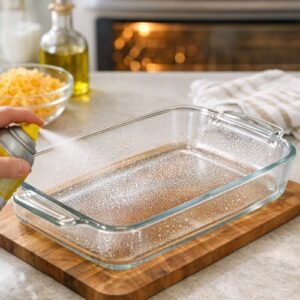
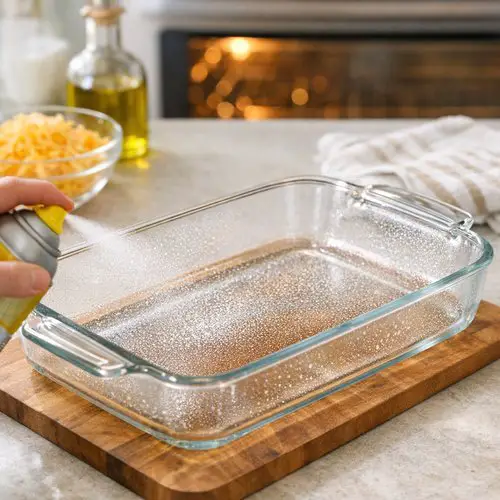
- Start by preheating your oven to 350 degrees Fahrenheit. While it's warming, take a 9x13-inch baking dish and lightly coat it with nonstick spray. This step takes literally two minutes, but it prevents the casserole from sticking and makes cleanup so much easier afterward. I usually spray not just the bottom but also partway up the sides.
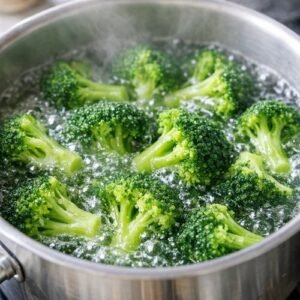
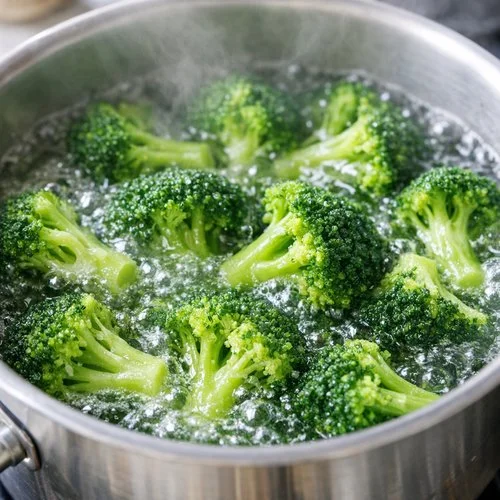
- Prepare the frozen broccoli according to package directions. This typically means boiling it for about 5-7 minutes until it's just tender but still has some structural integrity—you don't want mushy broccoli. Once it's cooked, drain it thoroughly in a colander, pressing gently with the back of a spoon to remove excess liquid. Excess water is the enemy of a good casserole because it will make everything soupy. Place the hot, drained broccoli on a cutting board. Using a sharp knife, run it through the broccoli pieces to break them into smaller, bite-sized chunks. This is important because whole florets can be a bit unwieldy in a casserole. You're aiming for pieces about the size of a grape or small walnut.
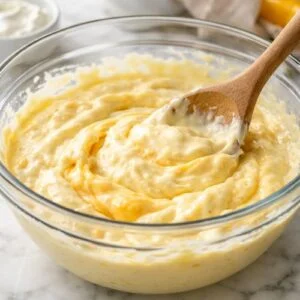
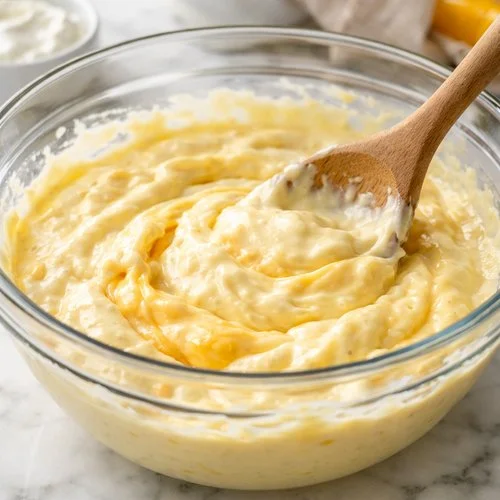
- In a large mixing bowl, combine the cream of chicken soup, sour cream, and processed cheese product. Stir these together thoroughly until you have a smooth, cohesive mixture. The processed cheese will melt into the other ingredients and create a wonderfully smooth, creamy base. This should take about 1-2 minutes of stirring with a sturdy wooden spoon or whisk. The processed cheese product might seem like an unusual ingredient to a home cook, but it's actually brilliant here. Unlike block cheese, it contains emulsifiers that help it meld smoothly without becoming grainy or separated. This is why the casserole has that signature creamy texture that's so appealing.
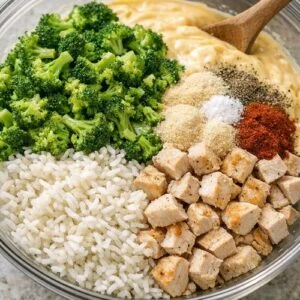
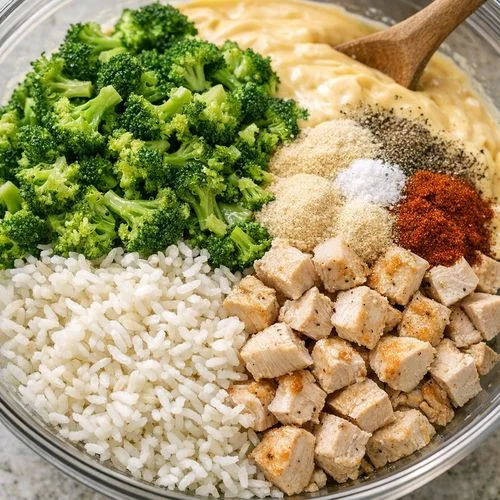
- Add the chopped broccoli, cooked rice, diced chicken, and all your seasonings (garlic powder, onion powder, salt, pepper, and smoked paprika if using) to the creamy mixture. Stir everything together thoroughly until every component is evenly coated and distributed. This is where the magic starts happening—you're building a cohesive dish where every bite will have a little bit of everything. Take a moment to taste the mixture at this point. If your chicken was previously seasoned (rotisserie chicken, for example), you might find the seasonings are already perfect. If your chicken was unseasoned, you may want to add a bit more salt or a pinch more garlic powder. This is your chance to adjust before baking.
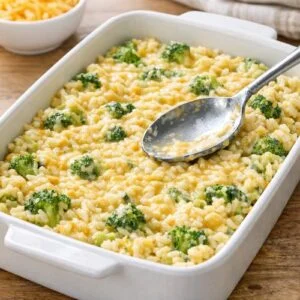
- Spoon the entire mixture into your prepared baking dish, spreading it evenly with the back of your spoon. The mixture should reach roughly the middle of the dish—don't worry if it doesn't fill it completely. Top the casserole generously and evenly with the shredded sharp cheddar cheese, using all 2 cups. The cheese will melt and create a golden, slightly crispy layer on top while the interior stays creamy. This contrast in textures is one of the things that makes casseroles so satisfying to eat.
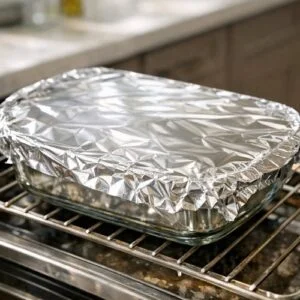
- Cover your baking dish tightly with aluminum foil. This keeps the moisture in during the initial baking phase and ensures that the interior heats through evenly without the top drying out. Place the dish in your 350-degree oven for 15 minutes. During this time, the flavors will begin melding and the casserole will heat through.
- Carefully remove the foil (watch for steam!) and return the casserole to the oven for an additional 10 minutes. This is when the cheese on top will melt fully and develop that golden-brown appearance. You're looking for the cheese to be completely melted and starting to show a few golden-brown spots around the edges. The edges of the casserole should be bubbling gently. This two-stage baking method is professional technique that ensures the interior is hot throughout while the top cooks perfectly without burning.

- Remove the casserole from the oven and let it rest for about 5 minutes before serving. This allows the structure to set slightly, making it easier to portion. The casserole will actually continue cooking slightly from residual heat during this resting period, which is why you don't want to overbake in the previous step. Serve while hot and steaming, and watch as your family or guests dig in with obvious satisfaction. There's something deeply rewarding about creating a dish that brings people together this way.

- Crispy Chicken and Green Onion Pot Stickers – Another excellent chicken-based dish that brings comfort and satisfaction in a different form
- Mini Crunchwrap Supreme Recipe – A fun, handheld version of comfort food that’s perfect for casual family meals
- Fat Chowder – A hearty, creamy soup that shares the same comfort-food appeal as this casserole
- Goat Cheese Appetizer Bites – If you’re serving this casserole to guests, these elegant bites make a perfect first course
Serves: 8-10 people depending on portion size and what sides you’re serving alongside
How to Make This Broccoli Rice Casserole with Creamy Cheese
The process is straightforward and quite forgiving. What I love about walking you through this is that you’ll see how each step builds on the previous one, creating layers of flavor that wouldn’t exist if you just mixed everything together at once. There’s intention in the order, even if the recipe seems simple.
Step 1: Prepare Your Workspace and Oven
Start by preheating your oven to 350 degrees Fahrenheit. While it’s warming, take a 9×13-inch baking dish and lightly coat it with nonstick spray. This step takes literally two minutes, but it prevents the casserole from sticking and makes cleanup so much easier afterward. I usually spray not just the bottom but also partway up the sides.
Step 2: Cook the Broccoli
Prepare the frozen broccoli according to package directions. This typically means boiling it for about 5-7 minutes until it’s just tender but still has some structural integrity—you don’t want mushy broccoli. Once it’s cooked, drain it thoroughly in a colander, pressing gently with the back of a spoon to remove excess liquid. Excess water is the enemy of a good casserole because it will make everything soupy.
Place the hot, drained broccoli on a cutting board. Using a sharp knife, run it through the broccoli pieces to break them into smaller, bite-sized chunks. This is important because whole florets can be a bit unwieldy in a casserole. You’re aiming for pieces about the size of a grape or small walnut.
Step 3: Create Your Creamy Base
In a large mixing bowl, combine the cream of chicken soup, sour cream, and processed cheese product. Stir these together thoroughly until you have a smooth, cohesive mixture. The processed cheese will melt into the other ingredients and create a wonderfully smooth, creamy base. This should take about 1-2 minutes of stirring with a sturdy wooden spoon or whisk.
The processed cheese product might seem like an unusual ingredient to a home cook, but it’s actually brilliant here. Unlike block cheese, it contains emulsifiers that help it meld smoothly without becoming grainy or separated. This is why the casserole has that signature creamy texture that’s so appealing.
Step 4: Combine the Main Ingredients
Add the chopped broccoli, cooked rice, diced chicken, and all your seasonings (garlic powder, onion powder, salt, pepper, and smoked paprika if using) to the creamy mixture. Stir everything together thoroughly until every component is evenly coated and distributed. This is where the magic starts happening—you’re building a cohesive dish where every bite will have a little bit of everything.
Take a moment to taste the mixture at this point. If your chicken was previously seasoned (rotisserie chicken, for example), you might find the seasonings are already perfect. If your chicken was unseasoned, you may want to add a bit more salt or a pinch more garlic powder. This is your chance to adjust before baking.
Step 5: Transfer and Top
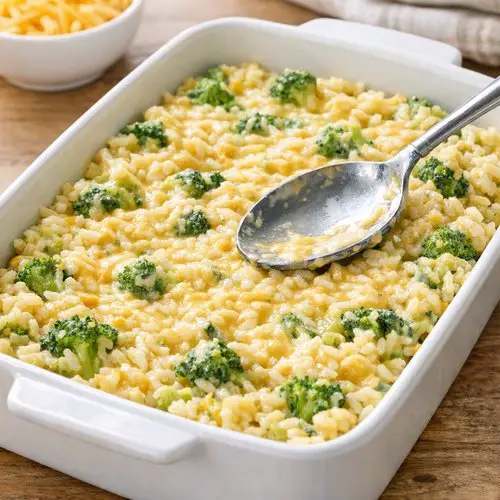
Spoon the entire mixture into your prepared baking dish, spreading it evenly with the back of your spoon. The mixture should reach roughly the middle of the dish—don’t worry if it doesn’t fill it completely. Top the casserole generously and evenly with the shredded sharp cheddar cheese, using all 2 cups.
The cheese will melt and create a golden, slightly crispy layer on top while the interior stays creamy. This contrast in textures is one of the things that makes casseroles so satisfying to eat.
Step 6: First Bake with Foil
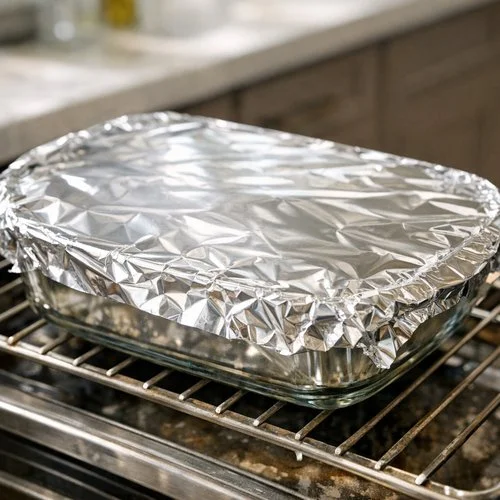
Cover your baking dish tightly with aluminum foil. This keeps the moisture in during the initial baking phase and ensures that the interior heats through evenly without the top drying out. Place the dish in your 350-degree oven for 15 minutes. During this time, the flavors will begin melding and the casserole will heat through.
Step 7: Final Bake Without Foil
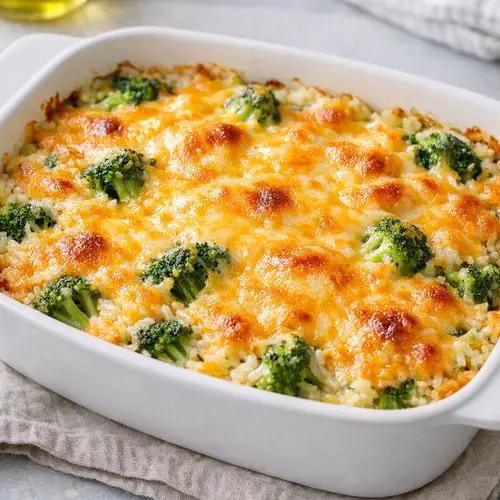
Carefully remove the foil (watch for steam!) and return the casserole to the oven for an additional 10 minutes. This is when the cheese on top will melt fully and develop that golden-brown appearance. You’re looking for the cheese to be completely melted and starting to show a few golden-brown spots around the edges. The edges of the casserole should be bubbling gently.
This two-stage baking method is professional technique that ensures the interior is hot throughout while the top cooks perfectly without burning.
Step 8: Rest and Serve
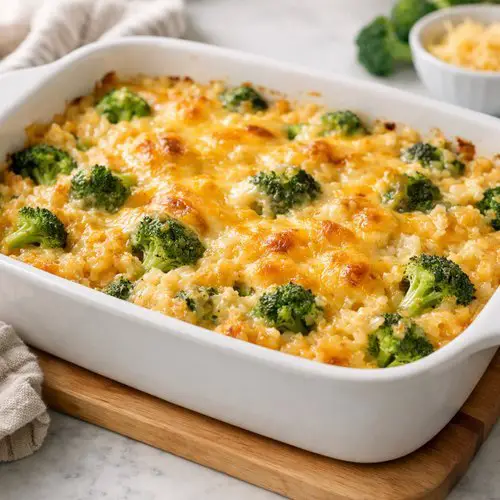
Remove the casserole from the oven and let it rest for about 5 minutes before serving. This allows the structure to set slightly, making it easier to portion. The casserole will actually continue cooking slightly from residual heat during this resting period, which is why you don’t want to overbake in the previous step.
Serve while hot and steaming, and watch as your family or guests dig in with obvious satisfaction. There’s something deeply rewarding about creating a dish that brings people together this way.
Expert’s Nutritional Tip: Understanding Your Protein and Calcium in One Dish
As a registered dietitian, I want to highlight something important about this recipe’s nutritional profile. The chicken provides approximately 25-30 grams of complete protein per serving, which supports muscle maintenance and satiety. The dairy components—both the sour cream and the cheese—contribute significant amounts of calcium and vitamin D, two nutrients that many Americans don’t get enough of.
According to USDA dietary guidelines, most adults need about 1,000-1,200 milligrams of calcium daily. A single serving of this casserole provides roughly 20-25% of that daily need, which is substantial. This is why casseroles like this one historically served as complete meals for families—they naturally delivered multiple food groups and important micronutrients that supported health.
The addition of broccoli means you’re also getting vitamin C, folate, and compounds called glucosinolates that have been studied for their potential health benefits. The rice provides complex carbohydrates and B vitamins. It’s a genuinely balanced meal when you understand the nutritional architecture.
Make-Ahead Guide: Meal Prep Like a Professional
One of the things I consistently recommend to busy families is creating meals that can be assembled ahead. This casserole is perfect for that approach. Here’s my professional meal-prep strategy:
Prepare the Night Before: Cook your rice, cook and dice your chicken, and prepare your broccoli. Store each component in separate airtight containers in the refrigerator. The next day, you simply combine everything, top with cheese, and bake. This method saves about 20 minutes of active cooking time on busy weeknights.
Full Assembly Ahead: You can assemble the entire casserole (before baking) up to 24 hours in advance. Cover it tightly with plastic wrap, then aluminum foil, and refrigerate. When you’re ready to bake, remove it from the refrigerator about 15 minutes before baking to take the slight chill off, then bake as directed. You might add 5-10 minutes to the initial baking time since it’s starting colder.
Freeze for Later: You can also freeze an unbaked casserole for up to 3 months. Assemble it in a freezer-safe baking dish, wrap it carefully with plastic wrap and foil, and label it with the date. Thaw it overnight in the refrigerator before baking, or bake it directly from frozen—just add about 20-30 minutes to the total baking time.
Batch Cooking: Consider making two casseroles at once. Bake one for dinner and freeze the other for a night when you truly need an easy meal. Your future self will be grateful.
Tips and Tricks for Success
Common Mistakes to Avoid
Seasonal Variations: Adapting This Classic Throughout the Year
Spring: Replace some or all of the broccoli with fresh spring vegetables like asparagus or snap peas. Add some fresh dill to the seasoning mix. The brighter vegetables feel more seasonal and lighter for springtime appetites.
Summer: Use fresh corn kernels and add fresh herbs like basil or tarragon. You can even use fresh chicken breast that you’ve poached and diced, taking advantage of farmers’ market finds. The fresher ingredients feel summery while maintaining the casserole’s comforting appeal.
Fall: Add roasted butternut squash cubes alongside the broccoli. Include a pinch of sage and thyme. These additions make the casserole feel more autumnal while maintaining the same basic structure.
Winter: Keep the classic version as is, or add roasted mushrooms and a splash of sherry to the cream sauce. Winter is when this casserole really shines in its original form—it’s the ultimate comfort food when weather is cold.
Can I Store This Broccoli Rice Casserole with Creamy Cheese?
Refrigerator Storage: This casserole stores beautifully in the refrigerator for 3-4 days in an airtight container. The flavors actually deepen and meld together over time, making day-two servings often taste even better than day-one. Simply cover it tightly with plastic wrap or transfer it to a glass storage container with a fitted lid.
Reheating: You can reheat individual portions in the microwave (microwave-safe plate, covered loosely with a paper towel, 2-3 minutes), or reheat the entire casserole covered with foil in a 350-degree oven for about 15 minutes until heated through. The oven method preserves texture better than microwaving, though microwaving is faster for single servings.
Freezer Storage: You can freeze leftover casserole for up to 3 months in a freezer-safe container or wrapped well with plastic wrap and foil. Thaw overnight in the refrigerator before reheating. Frozen casserole maintains quality best when consumed within the first month.
Pro Tip: I often freeze individual portions in smaller containers. This way, if one person in your household wants leftovers while others don’t, everyone gets what they want without waste.
Nutrition Information
Based on USDA nutritional databases and standard recipe analysis, each serving (approximately 1/8 of the casserole) contains roughly 385 calories, 24 grams of protein, 32 grams of carbohydrates, and 16 grams of fat. The casserole provides approximately 450 milligrams of calcium per serving, which represents about 35-45% of the daily recommended intake for adults.
The sodium content comes to about 720 milligrams per serving, which is moderate for a casserole of this type. If you’re watching sodium intake, using lower-sodium cream of chicken soup can reduce this significantly. The fiber content is approximately 2-3 grams per serving, primarily from the broccoli and rice.
Interestingly, this casserole is relatively balanced macronutrically. The protein supports satiety and muscle maintenance, the carbohydrates provide sustained energy, and the fats (primarily from dairy) support nutrient absorption and flavor. It’s a genuinely complete meal from a nutritional standpoint, which is one reason casseroles have remained popular for decades.
What Can I Serve With This Broccoli Rice Casserole with Creamy Cheese?
While this casserole is quite substantial on its own, I often recommend pairing it with complementary sides that round out the meal nutritionally and texturally. Since the casserole is creamy and mild, you want something with brightness or contrast. Here are my favorite pairings:
Substitutes and Variations
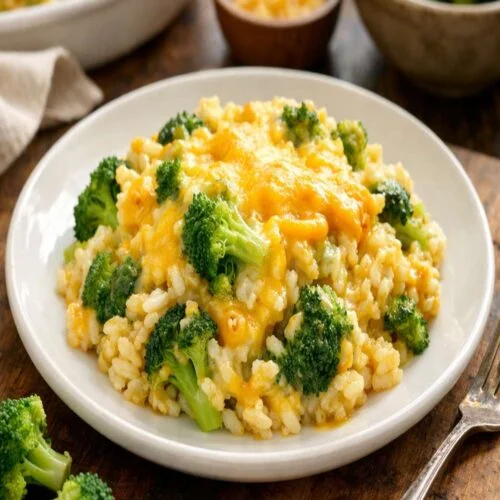
Broccoli Rice Casserole Velveeta Cheese Recipe

Ingredients
Instructions
Step 1: Prepare Your Workspace and Oven
Step 2: Cook the Broccoli
Step 3: Create Your Creamy Base
Step 4: Combine the Main Ingredients
Step 5: Transfer and Top
Step 6: First Bake with Foil
Step 7: Final Bake Without Foil
Step 8: Rest and Serve
Notes
Nutrition
FAQs
Can I use fresh broccoli instead of frozen?
Absolutely! Fresh broccoli is wonderful here. Chop it into small florets (about the size of grapes), blanch it in boiling salted water for about 3-4 minutes until just barely tender, then drain very thoroughly. Fresh broccoli will have a slightly better texture than frozen, though frozen broccoli is actually nutritionally equivalent or sometimes superior since it’s frozen at peak ripeness.
Can I make this casserole without the processed cheese product?
Yes, though the texture will be slightly different. Use 2 cups total of sharp cheddar cheese, and add an extra ½ cup of sour cream to maintain creaminess. The casserole will still be delicious but won’t have quite the same silky texture. Some people actually prefer this version because it has a more pronounced cheese flavor.
How can I reduce the sodium content of this recipe?
Several easy swaps help reduce sodium: use low-sodium cream of chicken soup (reduces sodium by about 30%), use unsalted butter if making anything from scratch, reduce the added salt to ½ teaspoon, and use fresh herbs instead of some of the dried seasonings. These changes together can reduce sodium by nearly 40% without sacrificing flavor.
Can I prepare this casserole completely the day before and bake it the next day?
Yes, this is one of my favorite make-ahead strategies. Prepare everything, assemble the casserole in the baking dish, cover tightly with plastic wrap, then foil, and refrigerate. The next day, remove it about 15 minutes before baking to take the chill off slightly, then bake as directed. You might add 5 minutes to the initial baking time since it starts colder.
This recipe serves 8-10 people. Can I halve it for a smaller household?
Absolutely! Divide all ingredient quantities by half and use an 8×8-inch baking dish or a smaller 9×9-inch dish instead of the 9×13. Reduce the baking time slightly—check for doneness around 18-20 minutes total (with foil) and 8-10 minutes (without foil) rather than the full 25 minutes. The cooking time is shorter with less volume, so monitoring is important.
More Recipes You’ll Love
This broccoli rice casserole with creamy cheese represents everything I love about home cooking: it’s accessible, nourishing, delicious, and brings people together. Whether you’re cooking for your family on a busy weeknight or preparing a dish to share with friends, this casserole delivers comfort and satisfaction every single time.
I still think of my mother and grandmother when I make this dish, and I hope that when you prepare it, you’re creating your own meaningful kitchen memories. Good food connects us to the people we love and to the stories we’re building together. That’s the real nutrition in a meal like this.
Happy cooking! With love, Tina Cooper.