
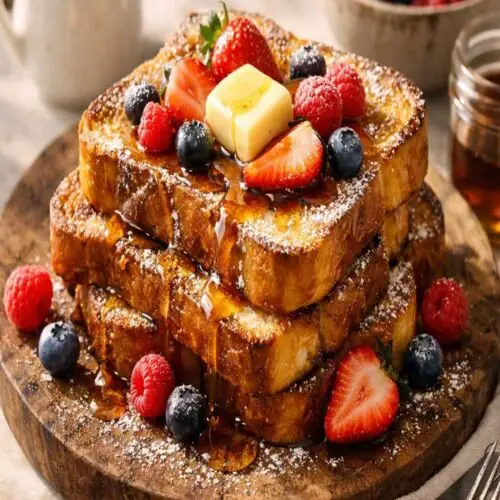
There’s something deeply comforting about waking up to the aroma of golden French toast sizzling in a warm skillet. This brioche French toast recipe brings together the richness of tender, buttery bread with a silky custard coating that reminds me of lazy weekend breakfasts with family. If you’re looking to pair this with something savory, consider serving it alongside Fried Salmon Tacos for a brunch that spans both comfort and sophistication.
A Kitchen Memory That Started It All
I was about eight years old when my grandmother first taught me how to make French toast. Her small kitchen in Oakland was always warm, filled with the gentle clinking of wooden spoons against ceramic bowls. She’d let me crack the eggs into a shallow dish, whisk them with milk and vanilla, and she’d guide my small hands as I dipped each slice of bread—never too long, she’d whisper, or it’ll fall apart.
What struck me most wasn’t just the taste, though that buttery, cinnamon-kissed exterior was unforgettable. It was the ritual. She taught me that food made with intention and presence tastes better. That using quality ingredients—real vanilla, whole eggs, proper brioche—makes a difference you can actually taste. Those early mornings shaped my entire approach to nutrition and cooking.
Now, decades later, as a registered dietitian, I understand the science behind why that brioche French toast tasted so good and actually nourished our bodies. And I’m excited to share this beloved recipe with you today.
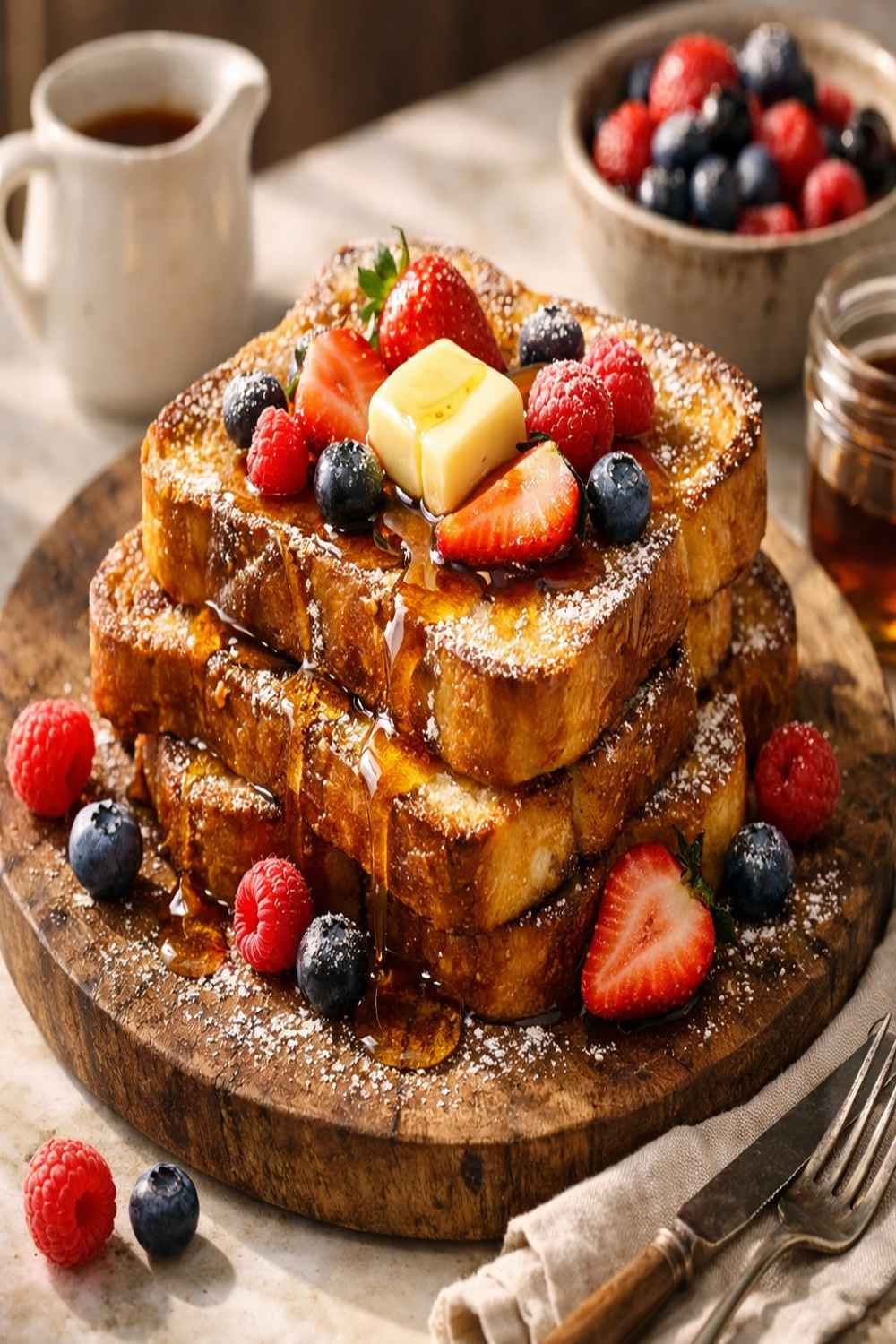
What is Brioche French Toast?
French toast is a classic breakfast dish that dates back centuries, with origins tracing to Rome. The beauty of this recipe lies in its simplicity and its ability to transform everyday bread into something luxurious. However, brioche French toast takes this concept to another level entirely.
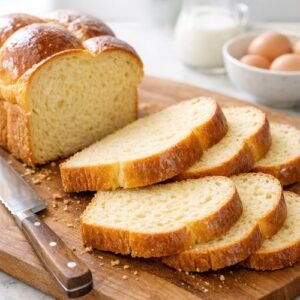
Brioche is a French pastry bread enriched with butter and eggs, making it naturally tender and slightly sweet. When you use brioche instead of standard bread, you’re creating a custard-soaked masterpiece that’s incredibly indulgent yet surprisingly light when made with intention. The bread’s high butter content means it achieves that perfect golden crust while remaining creamy and custardy on the inside—a textural contrast that’s simply irresistible.
What makes this version special is how the brioche’s richness pairs with a simple egg custard coating infused with cinnamon and vanilla. The result is breakfast that feels like a celebration, whether you’re marking a special occasion or simply choosing to start your day mindfully.
Why You’ll Love This Brioche French Toast Recipe
- Decadent yet accessible – This recipe delivers that restaurant-quality taste without requiring special culinary skills. Anyone can master it, and the results impress every single time.
- Ready in minutes – From start to finish, you’re looking at about 15 minutes. Perfect for weekend breakfasts when you want something special without spending hours in the kitchen.
- Naturally nutrient-rich – Eggs provide high-quality protein and choline for brain health. The whole milk adds calcium and vitamin D. This isn’t empty indulgence; it’s nourishing comfort food.
- Endlessly customizable – You can adapt toppings, add different spice blends, or incorporate seasonal fruits. One base recipe becomes dozens of variations.
- Feeds a crowd beautifully – Whether you’re cooking for two or ten, this recipe scales effortlessly and keeps everyone happy and satisfied.
The Ingredients
Before we begin, let me share a professional insight: the quality of your ingredients directly impacts the final dish. This isn’t about spending extravagantly—it’s about choosing whole foods that actually contribute to both flavor and nutrition. I always look for brioche from a local bakery when possible, but quality grocery store brioche works beautifully too.
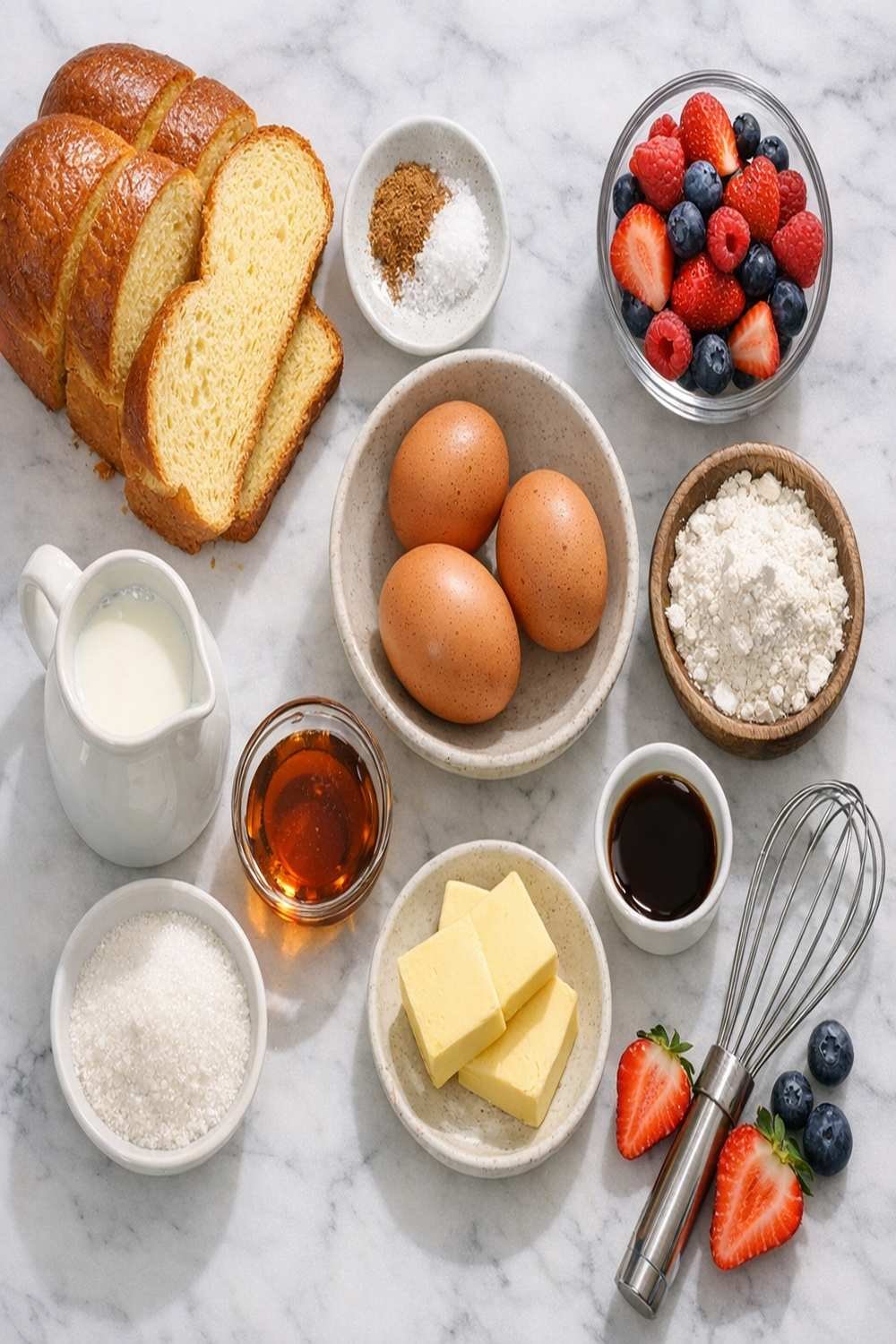
Here’s what you’ll need to create this golden masterpiece (makes 4-5 servings):
- ½ teaspoon ground cinnamon (freshly ground if possible for maximum aroma)
- ¼ teaspoon nutmeg (optional but adds subtle warmth and depth)
- 1 cup whole milk (full-fat creates the creamiest custard and deepest flavor)
- 5 large eggs (room temperature for even cooking and better emulsification)
- 10 slices brioche bread (cut about ¾-inch thick for the perfect custard absorption)
- 1 tablespoon honey or maple syrup (for serving and optional mixing into custard)
- 1 tablespoon pure vanilla extract (never imitation—the difference is remarkable)
- 2 tablespoons unsalted butter (for cooking, divided between batches)
How to Make Brioche French Toast?
Let me walk you through this process step by step. I’ve organized these instructions so you understand not just the “what,” but the “why” behind each action. Understanding your cooking helps you troubleshoot and adjust as needed.
Step 1: Prepare Your Custard Mixture
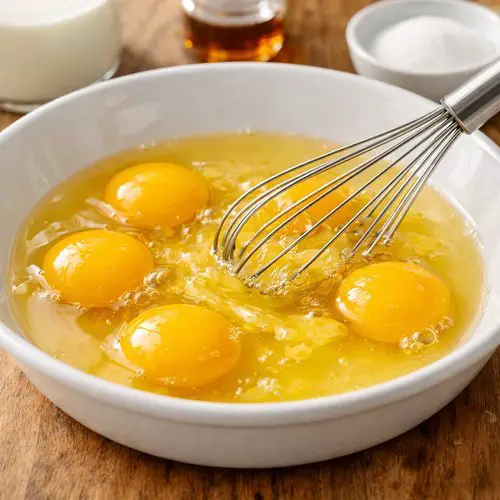
In a medium-sized shallow bowl—I prefer a wide ceramic dish or pie plate—crack your five eggs directly into the bowl. Using a fork or whisk, gently beat the eggs until the yolks and whites are completely combined. The key here is gentle; you’re not making an omelet, so you don’t need aggressive whisking.
Pour in your whole milk slowly while whisking continuously. This creates a smooth, lump-free custard base. Add your vanilla extract and ground cinnamon, stirring until the mixture is completely uniform and the cinnamon is fully dissolved. If you’re including the optional nutmeg, add it now. Let this mixture rest for a moment while you prepare your bread.
Step 2: Slice and Arrange Your Brioche
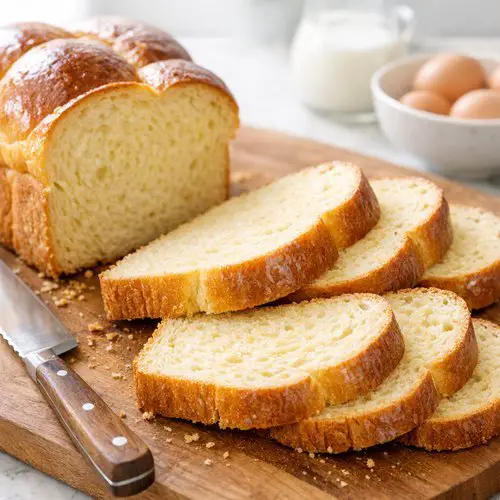
Take your brioche loaf and slice it into pieces that are approximately ¾-inch thick. This thickness is important—too thin and your toast becomes crispy and dries out; too thick and the custard won’t penetrate the center. You want that perfect balance where the exterior gets that gorgeous golden crust while the interior remains creamy and custardy.
Arrange your sliced brioche pieces on a cutting board or large plate nearby. You want everything prepped and ready to go before you start cooking, since the process moves quickly once your skillet is hot.
Step 3: Heat Your Skillet and Butter
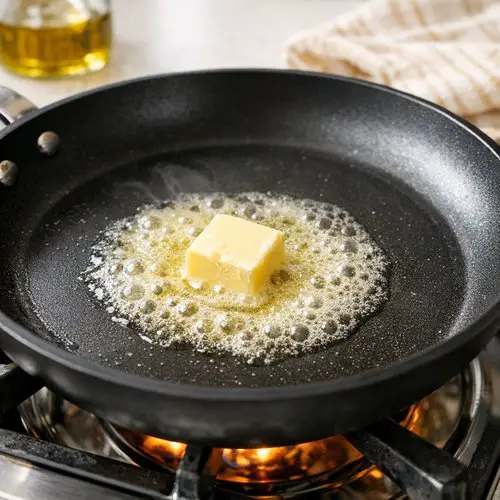
Place a large skillet or griddle over medium-low heat. This is an important detail—medium-low, not medium. High heat will burn the outside before the custard can cook through, and low heat means you’ll be standing there for ages. Medium-low gives you that perfect golden-brown exterior with a cooked-through interior.
Add one tablespoon of unsalted butter to the skillet and let it melt completely, coating the cooking surface evenly. You’ll know it’s ready when it’s foaming gently and smells nutty and inviting. This should take about 2-3 minutes.
Step 4: Dip and Coat Your Bread
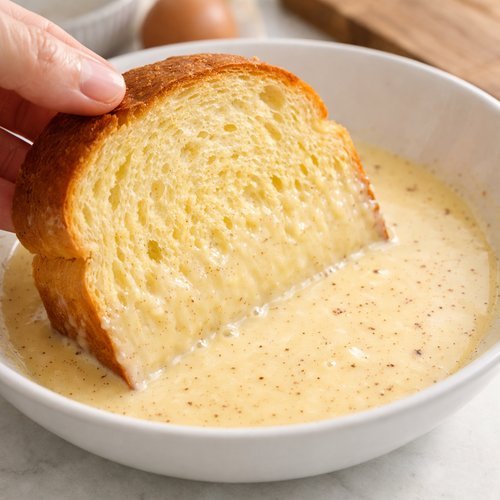
Working with one slice at a time, gently dip both sides of your brioche slice into the custard mixture. This is where patience matters. You want each side to spend about one second in the mixture—just enough to coat thoroughly but not so long that the bread becomes saturated and breaks apart. The bread will continue absorbing the custard as it rests, so err on the side of brevity.
I like to dip one side, let it soak for exactly one second, flip it, soak the other side for one second, then immediately place it in the hot skillet. This rhythm becomes natural after a few slices.
Step 5: Cook the First Side Until Golden
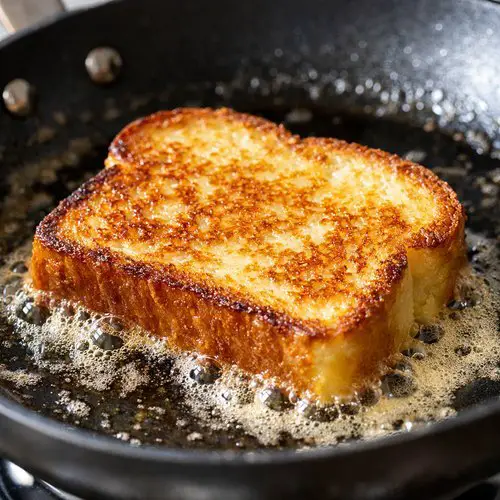
Carefully place your dipped brioche slice in the hot buttered skillet. You should hear a gentle sizzle—that’s the sound of the custard-coated bread beginning to caramelize. Let it cook undisturbed for 3-4 minutes on the first side. You’re looking for a deep golden-brown color, almost approaching burnished bronze. This creates that beautiful contrast between the crunchy exterior and the creamy interior.
During this time, continue dipping additional slices and preparing them. You can have multiple slices cooking simultaneously if your skillet is large enough, but don’t crowd the pan—they need space to cook evenly.
Step 6: Flip and Cook the Second Side
Using a spatula, carefully flip each slice. The second side won’t need quite as long—usually 2-3 minutes for that perfect golden finish. The first side was thickest with the egg mixture, so the second side cooks a bit faster. You’re looking for the same rich golden-brown color on this side.
If you notice your slices browning too quickly, lower your heat slightly. If they’re not browning at all after a few minutes, your butter might not be hot enough—turn up the heat just a touch. Cooking is about adjustments and observation.

Step 7: Transfer and Keep Warm
As each piece finishes cooking, transfer it to a warm plate or baking sheet. If you’re cooking multiple batches, you can keep the finished pieces warm in a 200°F oven while you continue cooking the remaining slices. This ensures everyone at your table gets warm French toast at the same time.
When you’ve cooked the second half of your batch, you may need to add the remaining tablespoon of butter to your skillet. Follow the same process—let it melt and become foamy before adding new dipped slices.

Step 8: Plate and Serve Immediately
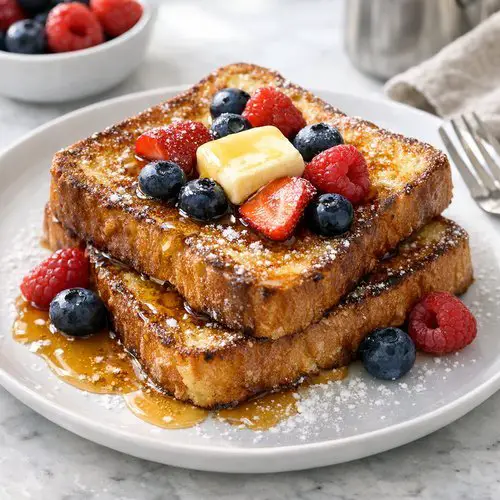
Arrange your finished brioche French toast on serving plates while they’re still warm. This is when the texture is at its absolute best—crispy outside, creamy inside, and the aromatics of cinnamon and vanilla are most vibrant. Serve immediately with your choice of toppings.
The window for peak texture is about 5-10 minutes after cooking, so get everything to the table promptly. This is one dish where timing truly enhances the eating experience.
Expert’s Nutritional Tip
As a registered dietitian, I want to highlight something important about this recipe: the eggs in your custard are doing remarkable work nutritionally. Each egg provides lutein and zeaxanthin, powerful antioxidants that support eye health and cognitive function. The yolk contains choline, which is essential for brain health and fetal development during pregnancy.
The whole milk adds bioavailable calcium and vitamin D—two nutrients many Americans don’t get enough of. When these nutrients are paired with the carbohydrates in brioche, you get improved nutrient absorption and more stable blood sugar throughout your morning compared to refined carbohydrates alone. This isn’t indulgence guilt-free; it’s thoughtful nourishment wrapped in deliciousness.
Make-Ahead Guide
One of my favorite things about this recipe is its flexibility for meal preparation. Here’s how I approach make-ahead strategies in my own kitchen:
The Custard Mixture: You can prepare the egg, milk, cinnamon, and vanilla mixture up to 24 hours in advance. Store it in an airtight container in the refrigerator. Just give it a quick stir before using. This is genuinely helpful on busy mornings when you want to minimize steps.
Sliced Brioche: Slice your brioche the night before and store it in a zip-top bag at room temperature. This actually helps slightly since the bread loses a tiny bit of moisture and won’t absorb the custard too rapidly.
Cooked French Toast: You can cook the entire batch up to 2 days ahead. Let it cool completely, then store in an airtight container in the refrigerator. To reheat, place slices directly on a toaster oven rack at 350°F for about 5 minutes until warmed through and slightly crispy again. This is wonderful for weekday breakfasts—you get that restaurant-quality result without morning effort.
Tips and Tricks
- Use day-old or slightly stale brioche when possible – Fresh brioche is wonderful, but bread that’s a day or two old has less moisture content and won’t become soggy. If you only have fresh brioche, that’s absolutely fine; just reduce your dipping time by half a second on each side.
- Keep your butter at the right temperature – This is the secret to gorgeous browning. Butter that’s too cool won’t create that caramelized crust; butter that’s too hot will burn before the custard cooks. Medium-low heat with properly foaming butter is the sweet spot.
- Don’t skip the vanilla extract – Real vanilla extract contains flavor compounds that imitation vanilla simply doesn’t have. It transforms this from good to genuinely memorable.
- Room temperature eggs emulsify better – Eggs straight from the refrigerator won’t blend as smoothly with the milk. Remove them 10 minutes before cooking, and your custard will be noticeably creamier.
- Taste your custard mixture – This might sound unusual, but I always take a tiny taste. If it needs more sweetness, add a touch of honey. If you want deeper spice notes, add a whisper more cinnamon. This hands-on approach helps you customize it to your preferences.
Common Mistakes to Avoid
Mistake #1: Dipping Too Long – The most common error I see is holding bread in the custard mixture for too long. I understand the instinct—you want it well-coated. But brioche is already rich and absorbs quickly. More than one second per side and you’ll end up with mushy, falling-apart pieces instead of that perfect tender-crispy contrast.
Mistake #2: Cooking at Too High Heat – This creates burnt exteriors with raw custard interiors. Medium-low heat feels slow, but it’s actually the speed that allows the custard to set while the bread caramelizes. Your patience here directly impacts your results.
Mistake #3: Flipping Too Early – Resist the urge to peek or flip prematurely. The first side needs that full 3-4 minutes to develop color and set. If you flip too soon, you’ll have pale, unevenly cooked toast.
Mistake #4: Using Imitation Vanilla – This isn’t snobbery; it’s chemistry. Imitation vanilla is primarily vanillin, a single compound. Real vanilla extract contains over 250 flavor compounds. The difference in the final dish is genuinely noticeable, and for just a tablespoon per recipe, the cost difference is minimal.
Can I Store Brioche French Toast?
Yes, and I do this regularly in my own kitchen. Properly stored, cooked brioche French toast keeps beautifully in the refrigerator for up to 3 days. Store it in an airtight container with parchment paper between layers to prevent sticking.
To reheat, I recommend placing slices directly on a toaster oven rack at 350°F for about 5 minutes. This restores that crispy exterior without drying out the interior. A regular toaster can work in a pinch, but watch carefully—brioche toasts quickly due to its high butter content.
You can also freeze cooked French toast for up to 2 months. Freeze in a single layer on a baking sheet first, then transfer to a freezer bag. Reheat from frozen at 375°F for about 8 minutes. This is genuinely convenient for those busy mornings when you want something special without the effort.
The uncooked custard mixture keeps in the refrigerator for up to 24 hours, making it perfect for prep-ahead strategies.
Nutrition Information
Based on USDA nutrition data, one serving of this brioche French toast (approximately 2 slices) contains roughly:
Calories: 320 | Protein: 12g | Carbohydrates: 28g | Dietary Fiber: 1g | Total Fat: 16g | Saturated Fat: 8g | Cholesterol: 215mg | Sodium: 240mg | Calcium: 180mg (18% DV) | Iron: 2mg (11% DV)
The protein content makes this a genuinely satisfying breakfast that supports muscle maintenance and keeps you feeling full through the morning. The fat content, while substantial, includes heart-healthy compounds from whole eggs and real butter—not ultra-processed trans fats. The natural carbohydrates from brioche provide sustained energy when paired with the protein and fat in this dish.
This is nutritionally balanced breakfast fare that nourishes your body while bringing genuine joy to your plate.
What Can I Serve With Brioche French Toast?
The beauty of brioche French toast is its versatility. While it’s wonderful on its own, pairing it thoughtfully with complementary dishes creates memorable meals. For a more indulgent brunch spread, consider adding this weekend breakfast variations for those who prefer different flavor profiles.
- Fresh berries and whipped cream – Raspberries, blueberries, or strawberries add brightness and natural tartness that balances the richness. A dollop of lightly whipped cream becomes an elegant finishing touch.
- Maple syrup and toasted nuts – The classic pairing. Drizzle pure maple syrup over your warm toast and scatter toasted pecans or walnuts on top for textural contrast and healthy fats.
- Honey, Greek yogurt, and granola – For a lighter approach, add a dollop of Greek yogurt (which adds protein), drizzle with honey, and scatter granola for crunch. This transforms French toast into a more protein-forward breakfast.
- Cinnamon-spiced apples – Sauté thinly sliced apples with a touch of butter, cinnamon, and nutmeg for 5-7 minutes until tender. Spoon this warm compote over your toast for autumn-inspired elegance.
- Nutella and sliced bananas – For indulgent mornings, a thin spread of Nutella with fresh banana slices turns this into dessert-for-breakfast territory. My kids absolutely adore this variation.
- Powdered sugar and fresh mint – A light dusting of powdered sugar and fresh mint leaves creates an elegant, restaurant-worthy presentation with minimal effort.
Substitutes
- Alternative Breads – While brioche is ideal, you can use challah (which has a similar richness), thick-cut Texas toast, or even quality sandwich bread in a pinch. The texture will be slightly less luxurious, but the dish remains delicious. Avoid thin sandwich breads, which become too soggy.
- Non-Dairy Milk – If you need dairy-free options, use full-fat coconut milk or oat milk. The mouthfeel differs slightly, but both work. Avoid thin non-dairy milks like unsweetened almond milk, which won’t create that custardy interior.
- Egg Alternatives – For vegan adaptations, use a commercial egg replacer following package directions, or blend silken tofu with cornstarch. The results won’t be identical, but they’re surprisingly close.
- Spice Variations – Swap cinnamon for pumpkin pie spice, cardamom, or even a pinch of ginger. Each creates a different flavor profile while maintaining the same cooking method.
- Sweetener Options – Instead of plain custard, you can add honey, maple syrup, or brown sugar to the mixture itself. Start with one tablespoon and adjust to taste preferences.
Seasonal Variations
Spring: Add fresh lemon zest and a touch of lavender to your custard mixture. Top with fresh strawberries and a light lemon curd. The brightness feels perfect as days get longer.
Summer: Reduce cinnamon and add a hint of almond extract. Top with fresh peaches or nectarines, slightly caramelized in a hot skillet. Finish with toasted sliced almonds.
Fall: Increase cinnamon and add a pinch of clove and nutmeg. Top with spiced apple compote, a drizzle of caramel sauce, and candied pecans. This is when French toast truly shines.
Winter: Add peppermint extract or cocoa powder to your custard. Top with dark chocolate ganache, fresh pomegranate seeds, and a dusting of powdered sugar. It feels celebratory and warm.
Brioche French Toast Recipe

Ingredients
- ½ teaspoon ground cinnamon freshly ground if possible for maximum aroma
- ¼ teaspoon nutmeg optional but adds subtle warmth and depth
- 1 cup whole milk full-fat creates the creamiest custard and deepest flavor
- 5 large eggs room temperature for even cooking and better emulsification
- 10 slice brioche bread cut about ¾-inch thick for the perfect custard absorption
- 1 tablespoon honey or maple syrup for serving and optional mixing into custard
- 1 tablespoon pure vanilla extract (never imitation
- 2 tablespoon unsalted butter for cooking, divided between batches
Instructions
Step 1: Prepare Your Custard Mixture
- In a medium-sized shallow bowl—I prefer a wide ceramic dish or pie plate—crack your five eggs directly into the bowl. Using a fork or whisk, gently beat the eggs until the yolks and whites are completely combined. The key here is gentle; you're not making an omelet, so you don't need aggressive whisking. Pour in your whole milk slowly while whisking continuously. This creates a smooth, lump-free custard base. Add your vanilla extract and ground cinnamon, stirring until the mixture is completely uniform and the cinnamon is fully dissolved. If you're including the optional nutmeg, add it now. Let this mixture rest for a moment while you prepare your bread.

Step 2: Slice and Arrange Your Brioche
- Take your brioche loaf and slice it into pieces that are approximately ¾-inch thick. This thickness is important—too thin and your toast becomes crispy and dries out; too thick and the custard won't penetrate the center. You want that perfect balance where the exterior gets that gorgeous golden crust while the interior remains creamy and custardy. Arrange your sliced brioche pieces on a cutting board or large plate nearby. You want everything prepped and ready to go before you start cooking, since the process moves quickly once your skillet is hot.
Step 3: Heat Your Skillet and Butter
- Place a large skillet or griddle over medium-low heat. This is an important detail—medium-low, not medium. High heat will burn the outside before the custard can cook through, and low heat means you'll be standing there for ages. Medium-low gives you that perfect golden-brown exterior with a cooked-through interior. Add one tablespoon of unsalted butter to the skillet and let it melt completely, coating the cooking surface evenly. You'll know it's ready when it's foaming gently and smells nutty and inviting. This should take about 2-3 minutes.

Step 4: Dip and Coat Your Bread
- Working with one slice at a time, gently dip both sides of your brioche slice into the custard mixture. This is where patience matters. You want each side to spend about one second in the mixture—just enough to coat thoroughly but not so long that the bread becomes saturated and breaks apart. The bread will continue absorbing the custard as it rests, so err on the side of brevity. I like to dip one side, let it soak for exactly one second, flip it, soak the other side for one second, then immediately place it in the hot skillet. This rhythm becomes natural after a few slices.

Step 5: Cook the First Side Until Golden
- Carefully place your dipped brioche slice in the hot buttered skillet. You should hear a gentle sizzle—that's the sound of the custard-coated bread beginning to caramelize. Let it cook undisturbed for 3-4 minutes on the first side. You're looking for a deep golden-brown color, almost approaching burnished bronze. This creates that beautiful contrast between the crunchy exterior and the creamy interior. During this time, continue dipping additional slices and preparing them. You can have multiple slices cooking simultaneously if your skillet is large enough, but don't crowd the pan—they need space to cook evenly.

Step 6: Flip and Cook the Second Side
- Using a spatula, carefully flip each slice. The second side won't need quite as long—usually 2-3 minutes for that perfect golden finish. The first side was thickest with the egg mixture, so the second side cooks a bit faster. You're looking for the same rich golden-brown color on this side. If you notice your slices browning too quickly, lower your heat slightly. If they're not browning at all after a few minutes, your butter might not be hot enough—turn up the heat just a touch. Cooking is about adjustments and observation.

Step 7: Transfer and Keep Warm
- As each piece finishes cooking, transfer it to a warm plate or baking sheet. If you're cooking multiple batches, you can keep the finished pieces warm in a 200°F oven while you continue cooking the remaining slices. This ensures everyone at your table gets warm French toast at the same time. When you've cooked the second half of your batch, you may need to add the remaining tablespoon of butter to your skillet. Follow the same process—let it melt and become foamy before adding new dipped slices.

Step 8: Plate and Serve Immediately
- Arrange your finished brioche French toast on serving plates while they're still warm. This is when the texture is at its absolute best—crispy outside, creamy inside, and the aromatics of cinnamon and vanilla are most vibrant. Serve immediately with your choice of toppings. The window for peak texture is about 5-10 minutes after cooking, so get everything to the table promptly. This is one dish where timing truly enhances the eating experience.

Notes
Nutrition
FAQs
Can I use regular sandwich bread instead of brioche?
You can, though the results will differ. Sandwich bread has less fat and less structure, so it absorbs the custard differently and won’t develop that same golden crust. If that’s what you have available, it’s absolutely worth making. Just reduce your dipping time to literally half a second per side, and watch carefully during cooking since thinner breads cook faster. The dish will still be tasty; just with a different texture profile.
Why does my French toast turn out soggy?
Sogginess usually comes from one of three sources: dipping too long, using bread that’s too fresh and soft, or not cooking at high enough temperature to create that protective crust. Day-old brioche, quick dipping, and proper heat management are your solutions. Also, avoid stacking finished pieces before serving—let them rest slightly on individual plates.
Can I make the custard the night before?
Absolutely. Store it in an airtight container in the refrigerator for up to 24 hours. Just give it a good stir before using since the egg and milk may separate slightly. This is one of my favorite make-ahead strategies for weekend entertaining.
What’s the best way to reheat leftover French toast?
A toaster oven at 350°F for about 5 minutes is ideal. This restores the crispy exterior without overheating the interior. Avoid the microwave if possible—it creates a rubbery texture. If you must use a microwave, do 20-30 seconds at 50% power.
Can I make French toast without eggs?
For vegan versions, use a flax egg (1 tablespoon ground flaxseed mixed with 3 tablespoons water per egg) or commercial egg replacer. The results won’t be identical—the custardy interior texture is harder to replicate without actual eggs—but it’s definitely possible. You might also try aquafaba (the liquid from canned chickpeas), though the flavor is more subtle.
More Recipes You’ll Love
- Goat Cheese Appetizer Bites – Perfect for entertaining alongside French toast at a special brunch gathering
- my favorite salad – A fresh, balanced lunch option that complements weekend brunch planning
- Fresh Spinach Pizza – For weeknight dinners when you want something nourishing and satisfying
I hope this brioche French toast recipe becomes as beloved in your kitchen as it is in mine. There’s something about creating breakfast with intention—choosing quality ingredients, taking time with each step, and serving something warm and nourishing to the people you love—that sets the tone for an entire day.
My grandmother taught me that cooking is an act of presence and care. Every time you make this recipe, you’re participating in a tradition that stretches back centuries, yet it’s uniquely yours. I’d love to hear how it turns out in your kitchen. Make this your own—adjust the spices, choose your favorite toppings, and enjoy the process as much as the result.
Happy cooking! With love, Tina Cooper.