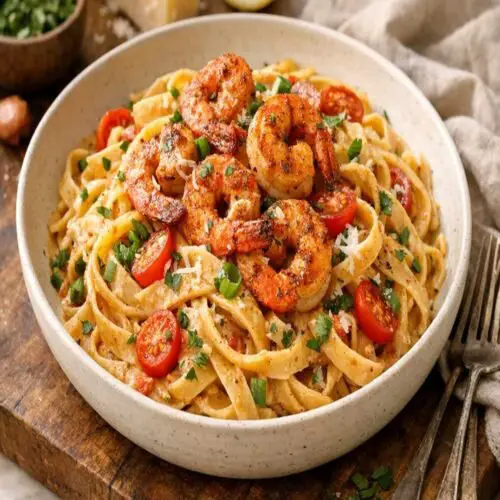
Cajun Shrimp Pasta Recipe

There's something about the bold, warming spices of Cajun cooking that instantly transports me back to my grandmother's kitchen. She taught me that great food doesn't have to be complicated—it just needs soul and a few key flavor builders. This Cajun shrimp pasta captures that philosophy perfectly, delivering restaurant-quality results in about 30 minutes. Pair it alongside fresh greens tossed with Chuy's Jalapeno Ranch Recipe for a complete, balanced meal, or serve with Fancy Salsa on crusty bread for a festive starter course.
Ingredients
For the Sauce
- ½ cup freshly grated Parmesan cheese never pre-shredded, which contains anti-caking agents
- 14- ounce can fire-roasted tomatoes with juices, these concentrate flavor better than regular canned
- ¾ cup heavy cream or use full-fat sour cream for a tangier profile with fewer calories
- 4 clove garlic minced finely so it distributes evenly
- 1 medium yellow onion chopped into roughly ¼-inch pieces
- 1 tablespoon authentic Cajun seasoning blend (check your label
- 2 tablespoon neutral cooking oil vegetable or light olive oil works beautifully
- 1 jalapeño pepper chopped fine, seeds removed for less heat if preferred
For the Shrimp
- 1 pound large shrimp peeled, deveined, and patted completely dry before seasoning
- 2 tablespoon neutral cooking oil high smoke point is essential for proper searing
- 1½ tablespoon Cajun seasoning applied generously to create that gorgeous crust
For the Pasta & Garnish
- Sea salt and cracked black pepper to taste, added throughout cooking
- 8 ounce penne pasta or similar short pasta that captures sauce beautifully
- Red pepper flakes optional, for those who want additional heat
- Extra Parmesan cheese for serving at the table
- Fresh Italian parsley finely chopped, about 3 tablespoons for brightness
Instructions
Step 1: Build Your Sauce Foundation
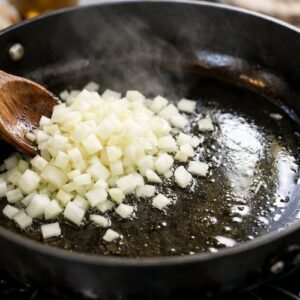
- Heat 2 tablespoons of oil in a large, heavy-bottomed pan over medium heat. Once it shimmers (you'll see it reflect light), add your chopped onion. Let it sit undisturbed for about 2 minutes, then stir occasionally. You're aiming for that moment when the onion becomes translucent and begins releasing its natural sweetness—about 5 minutes total. This Maillard reaction is crucial; rushing it means missing out on flavor depth. Add your chopped jalapeño to the pan. Stir gently and cook for another minute. You'll notice the pepper's essential oils release into the oil—that's your signal that heat is activated and you're ready for the next component.
Step 2: Awaken the Garlic
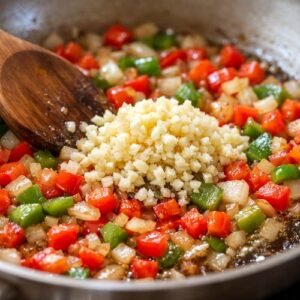
- Add your minced garlic directly to the pan with the onion and pepper. This is the moment where your kitchen transforms. Cook for exactly 1 minute—no more. Garlic burns quickly and develops bitter flavors if overcooked, but needs that minute to become fragrant and lose its raw bite. You'll smell the difference the moment it's ready. This is also the perfect moment to ensure your pasta water is already boiling in the background. Timing becomes easier when you're prepared.
Step 3: Introduce the Tomatoes and Spices
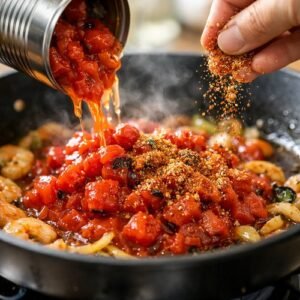
- Pour in your fire-roasted tomatoes with all their juices. They'll immediately hit the hot pan with a gentle sizzle—that's exactly what you want. Add 1 tablespoon of Cajun seasoning blend, stirring thoroughly so the spices distribute evenly throughout the sauce. Reduce the heat to medium-low. Now here's where patience becomes your best ingredient. Let this simmer gently for 10 to 15 minutes. Don't rush. The flavors are marrying—the tomato's acidity is softening, the Cajun spices are infusing into the liquid, the heat is mellowing into something complex rather than harsh. Stir occasionally and notice how the sauce transforms from separated and bright to unified and deeper in color. This is exactly when you know it's ready for cream.
Step 4: Cook Your Pasta to Perfect Texture
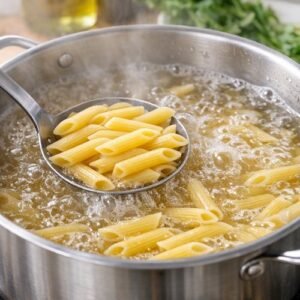
- While your sauce simmers, bring a large pot of generously salted water to a rolling boil. Add your penne pasta and cook according to package directions, but reduce the time by 1 minute—you want al dente, with just a slight firmness in the center. The pasta will continue cooking slightly when you combine it with the hot sauce. Reserve about ½ cup of pasta water before draining. This starchy liquid is liquid gold for adjusting sauce consistency later. Drain the pasta and set aside.
Step 5: Sear Your Shrimp to Perfection
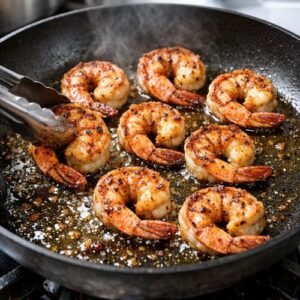
- While pasta cooks, heat 2 tablespoons of fresh oil in a second large pan over medium-high heat. This separate pan is non-negotiable—your sauce temperature would drop if you added cold shrimp directly, resulting in watery, overcooked seafood. Pat your shrimp completely dry with paper towels—moisture is the enemy of a good sear. Toss them with 1½ tablespoons of Cajun seasoning, coating evenly. Once your pan oil is shimmering hotly (you should see wisps of heat), add the shrimp in a single layer. Cook for 2 to 3 minutes per side without moving them. Let them develop a gorgeous caramelized exterior. You'll notice they'll turn from gray-translucent to opaque white-pink. The moment they're fully opaque (not mushy, just cooked through), remove them from heat. Shrimp continues cooking from residual heat, so stopping at "just cooked" means they'll be perfectly tender on your plate.
Step 6: Create the Creamy Magic
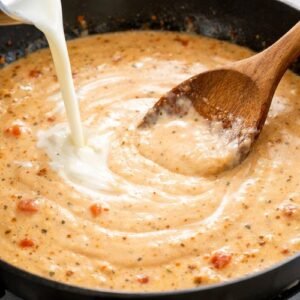
- Return your sauce to medium heat. Stir in your ¾ cup of heavy cream, integrating it fully. The sauce will lighten in color and become luxuriously smooth. Now add your freshly grated Parmesan cheese, stirring constantly. This should take about 2 minutes until the cheese melts completely and the sauce becomes silky and cohesive. Taste and adjust seasoning. Need more heat? Add a pinch more cayenne. Want deeper flavor? A few cracks of black pepper. This is your moment as the chef to fine-tune the dish to your preferences.
Step 7: Unite Everything
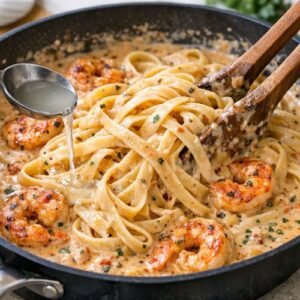
- Add your cooked pasta to the cream sauce, stirring gently. The sauce may seem a bit thick—add pasta water a tablespoon at a time until you reach the consistency you prefer. Some people love it clinging closely to the noodles; others prefer it slightly more saucy. There's no wrong answer, only your preference. Gently fold in your cooked shrimp. You're stirring, not aggressively mixing, to keep the shrimp intact and beautiful.
Step 8: Plate and Garnish
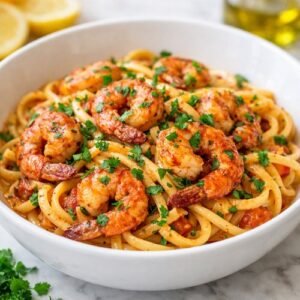
- Divide the pasta among bowls. Sprinkle fresh chopped parsley across the top (this adds a fresh, herbaceous note that brightens the rich sauce), a small pinch of red pepper flakes if you like, and extra Parmesan for anyone who wants it. Serve immediately while everything is warm and the pasta maintains its ideal texture. This dish doesn't wait well before serving—the pasta continues absorbing sauce and can become oversaturated if left sitting.
Notes
- Use truly high-quality Cajun seasoning - Your spice blend is the star here, so don't settle for dusty seasoning that's been in your cabinet for years. A good blend should smell aromatic and complex, not one-dimensional. The best ones include smoked paprika, cayenne, garlic powder, onion powder, dried oregano, and thyme.
- Pat shrimp completely dry before seasoning - This single step is the difference between shrimp that sears beautifully and shrimp that steams. Water and heat don't create browning; they create moisture that prevents the Maillard reaction.
- Don't skip the separate pan for shrimp - Cooking shrimp in the sauce drops the temperature too much, resulting in overcooked, rubbery texture. The two-pan method ensures both components cook perfectly.
- Reserve pasta water intentionally - This starchy liquid is better than adding cream for adjusting consistency because it helps the sauce coat the noodles more effectively. Pasta water contains starches that create better emulsification.
- Taste and adjust before serving - Everyone's salt sensitivity differs. Taste your sauce before plating and adjust seasonings accordingly. It's easier to add salt than remove it.
- Use fire-roasted tomatoes specifically - The roasting process concentrates flavor and adds subtle smoky notes that elevate the entire dish. Regular canned tomatoes lack this complexity.
Nutrition
Calories: 570kcalCarbohydrates: 58gProtein: 15gFat: 32gSaturated Fat: 14gCholesterol: 61mgSodium: 660mgFiber: 5gSugar: 9g
Tried this recipe?Let us know how it was!